A refined Hillsboro Beach residence should be evaluated as both a home and a resilience system. Early review of elevations, flood barriers, mechanical equipment, emergency power, and post-storm access can reveal obligations that finishes alone cannot.
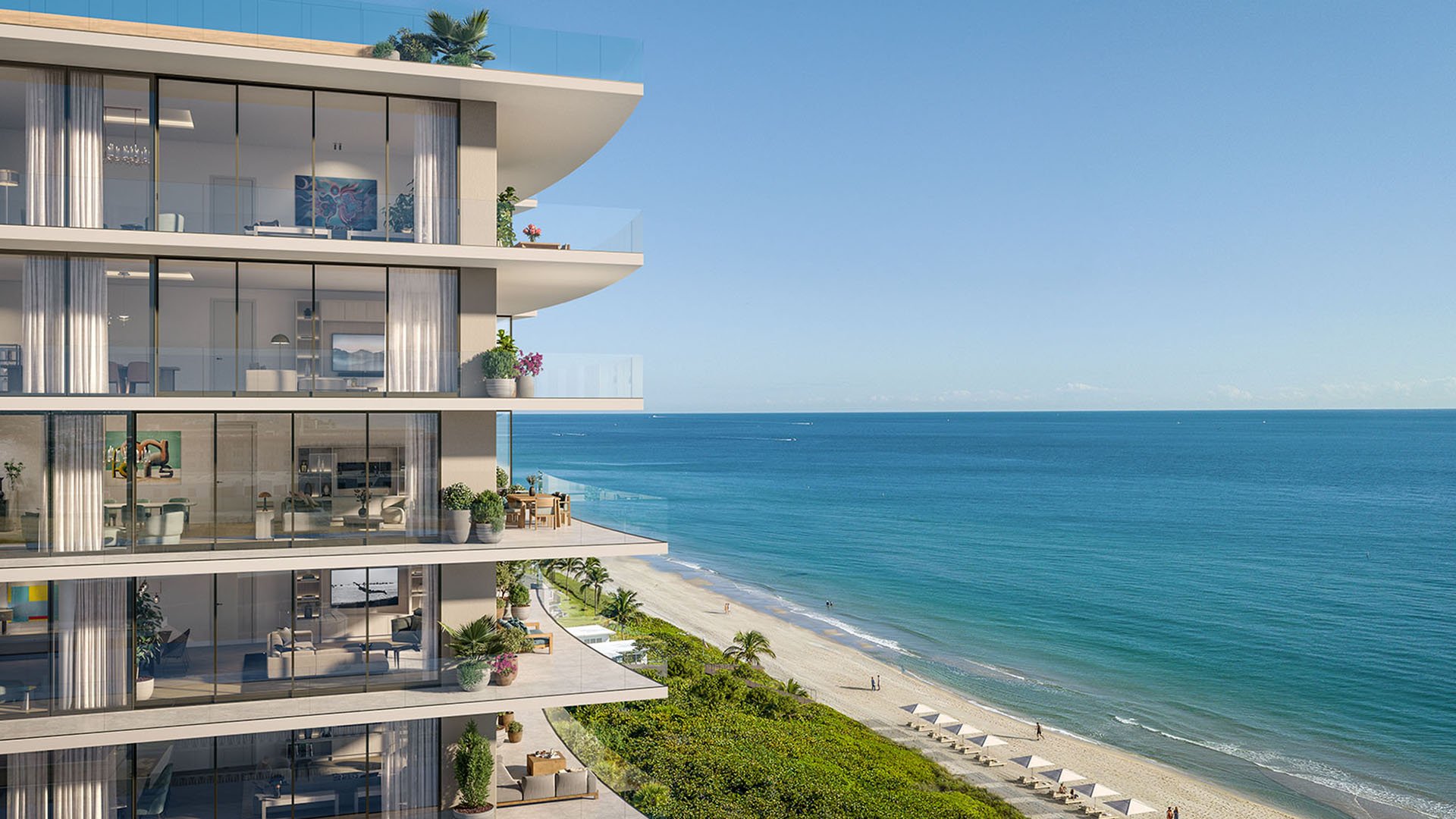
On Hillsboro Beach, evaluating a coastal residence extends beyond architecture, privacy, and finishes. Buyers should also examine how the property addresses water at vulnerable openings, where essential equipment is located, what emergency power serves, and how access would be managed after a storm.
The allocation of responsibility may differ between an estate and a condominium residence. A buyer should determine which systems belong to the residence, which are shared, who maintains them, and what documentation is available before contractual deadlines.
Collect the available elevation certificate, surveys, building plans, and records for relevant protective features. Confirm that the documents identify their vertical reference system before comparing measurements.
Review the elevations assigned to principal living areas, garages, storage rooms, ramps, entrances, and service spaces. The objective is to understand which areas are elevated, which remain lower, and where water could affect access or essential equipment.
Buyers considering Rosewood Residences Hillsboro Beach can use this document-led approach to organize questions about private and shared resilience systems.
A flood barrier should be evaluated together with the opening it protects. Ask where each component is stored, who is responsible for deployment, how it is secured, and whether inspection or maintenance records are available.
Extend the review to doors, garage entrances, ramps, drains, utility penetrations, elevator areas, mechanical rooms, and other lower-level spaces. Where a seawall forms part of the property, request available surveys, plans, permits, repair records, and maintenance information rather than relying on appearance alone.
Comparable questions can inform reviews of other Broward coastal residences, including Armani Casa Residences Pompano Beach and The Ritz-Carlton Residences® Pompano Beach.
Map the location of electrical equipment, elevator controls, cooling systems, pumps, communications hardware, and other components important to daily use. Then review possible water paths through adjacent rooms, doors, ramps, drains, and penetrations.
For a condominium, distinguish equipment serving the entire building from components assigned to an individual residence. For an estate, clarify which systems the owner must inspect, maintain, test, or replace.
Do not rely on a general description such as “generator-equipped.” Request the available generator specifications, permits, fuel information, transfer-control details, maintenance records, test records, and documentation identifying supported loads.
For a condominium residence, ask for written clarification of the elevators, pumps, common areas, building systems, and in-unit circuits connected to emergency power. For an estate, compare the listed equipment with the owner’s priorities and confirm which systems are intended to operate together.
Request the property or association hurricane plan, resident communication process, vendor-access procedure, inspection sequence, and re-entry protocol. Buyers should understand who evaluates the property, who communicates restrictions, and how access to parking, elevators, common areas, and the residence is addressed.
A useful resilience file brings together elevation records, barrier information, mechanical-system locations, generator documentation, maintenance responsibilities, and re-entry procedures. Reviewing that file early leaves time to raise focused questions and seek appropriate professional guidance.
What should a Hillsboro Beach buyer organize first? Begin with available elevation records, surveys, plans, barrier documentation, generator information, and storm procedures.
Why should elevation documents use a consistent reference system? Consistency helps the buyer and retained professionals compare measurements across certificates, surveys, and plans.
Which openings deserve flood-barrier review? Review barriers associated with entrances, garage openings, ramps, service areas, and other identified points of exposure.
What should be requested for a seawall? Ask for available surveys, plans, permits, repair records, and maintenance information.
Which mechanical components should a buyer locate? Identify electrical equipment, elevator controls, cooling systems, pumps, communications hardware, and other components important to occupancy.
Why do lower-level service spaces matter? Their relationship to openings, drains, ramps, and essential equipment should be understood as part of the property-wide review.
What generator records should an estate buyer request? Request available specifications, permits, fuel and transfer-control details, maintenance records, test records, and a supported-load schedule.
Does a condominium generator necessarily serve every in-unit circuit? Coverage should not be assumed; obtain written documentation identifying the building systems and residence circuits connected to emergency power.
What should a storm re-entry plan explain? It should address communications, inspections, access procedures, vendor coordination, and the handling of restricted areas.
When should resilience questions be raised? Raise them early enough to review the available documents and obtain professional guidance before applicable contractual deadlines.
For a confidential assessment and a building-by-building shortlist, connect with MILLION.
If branded residences are on your mind — as a home or as an allocation — we would be glad to share what we are seeing, privately.
Begin a quiet conversation