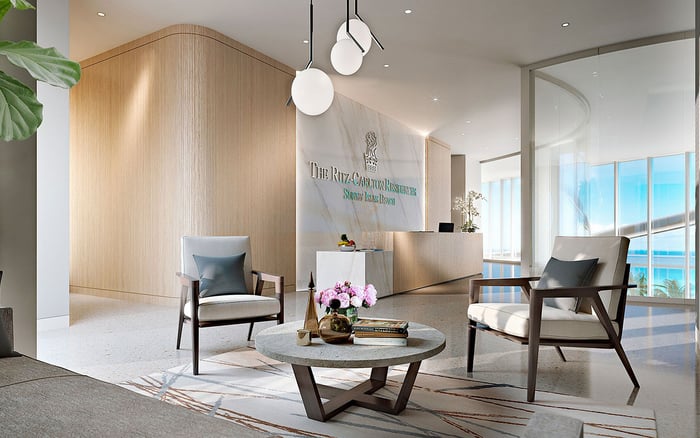
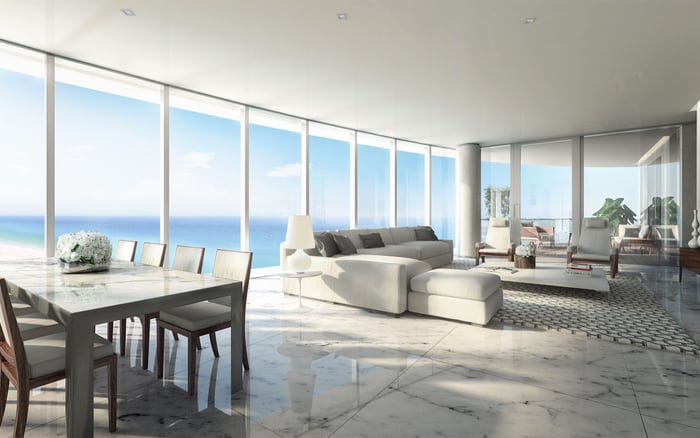
For wine collectors considering The Ritz-Carlton Residences® Sunny Isles, advertised residential services are the starting point, not proof of collection protection. A focused review should establish unit-specific backup power, shipment handling and the availability of climate-monitoring records.
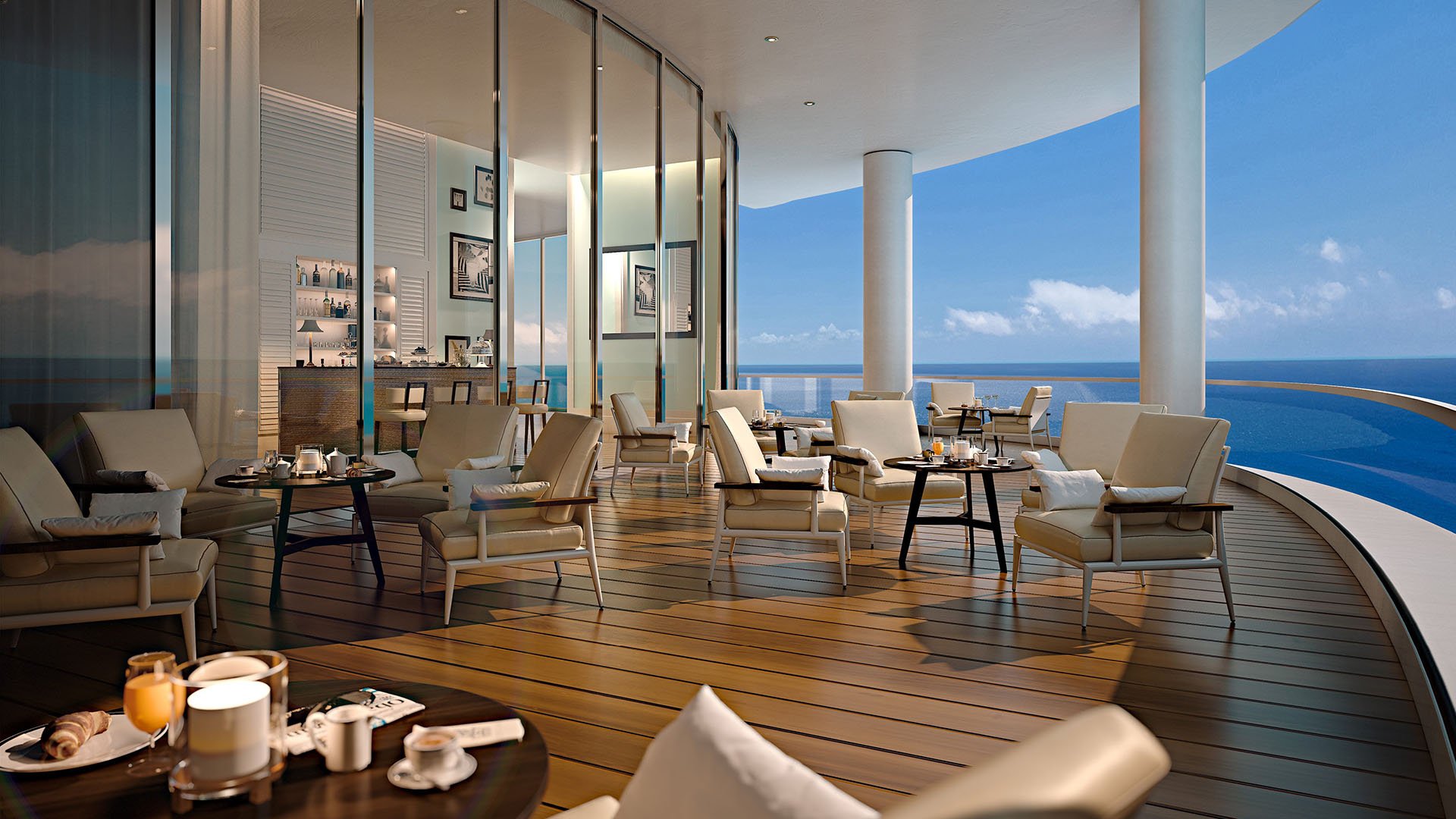
For a collector, the most consequential residential amenity may be the least visible during a showing: a dependable process for receiving, storing and protecting bottles while the owner is away. At The Ritz-Carlton Residences® Sunny Isles, that inquiry should focus on three subjects: power continuity, delivery custody and climate records.
The property is located at 15701 Collins Avenue, Sunny Isles Beach, FL 33160. Advertised services include mail/package shipping and delivery, overnight delivery service, arrival preparation and stocking, and engineering services. These are useful starting points for a conversation with management. Neither individually nor collectively do they establish a wine-preservation protocol for a particular residence.
The distinction is straightforward: a service offering is not proof of protection for a collection. Wine-storage backup power and resident-facing climate histories remain unconfirmed. That does not establish that either is absent. A buyer should seek unit-specific documentation before relying on either capability.
Begin with the equipment, not the amenity vocabulary. Marketed amenities include a wine lounge, while marketed residence features include a wine cooler. Neither establishes the specifications, condition or monitoring capabilities of the appliance in the home under consideration.
Request the unit appliance schedule and reconcile it with the equipment physically installed. Ask for the wine cabinet's model, operating manual and available service history. If the seller has replaced or modified equipment, request documentation for the current installation rather than relying on the original description.
The objective is a clear inventory: what conveys with the residence, what cools the bottles, which systems it depends on and who maintains it. Verify any statement about capacity, environmental control or remote connectivity against that particular appliance. A shared lounge and a private cabinet serve different ownership needs.
Advertised engineering services do not establish a protected electrical circuit or generator connection for private wine-storage equipment. The relevant question is not simply whether backup power exists somewhere in the property. It is whether that backup power serves the circuit supplying the selected residence's wine refrigeration.
Request the electrical panel/circuit schedule and the generator critical-loads description. Have an appropriately qualified professional reconcile those documents with the installed equipment. Ask management to distinguish building-wide arrangements from any unit-specific installation, approval or limitation.
A useful written response should address:
Which circuit supplies the wine-storage equipment and whether it receives backup power.
Any operating restrictions or interruptions associated with that arrangement.
Whether supporting systems needed by the installation are also covered.
Who is responsible for inspection, maintenance and responding to a failure.
These are verification requests, not descriptions of confirmed building capabilities. A general assurance about emergency power is not an answer about a private appliance. If documentation does not establish coverage, keep wine-storage backup power unresolved in the purchase review.
For a buyer also considering Jade Signature Sunny Isles Beach, the same circuit-specific questions provide a consistent basis for comparison without assuming equivalent equipment or electrical arrangements.
General delivery support is an advertised service. Wine-specific handling remains unconfirmed. Amenities also include a beach restaurant with pool and beach service and in-residence delivery, but food service should not be read as a protocol for incoming wine shipments.
Entry-lobby door attendants and valets are described as staffed 24/7. That staffing detail does not establish who may accept a wine shipment, where it waits or whether anyone is authorized to place bottles into private storage.
Ask management to describe the full sequence for a shipment addressed to an absent owner. Who accepts it? Where is it held? How is the owner notified? Who can move it into the residence, and under what authorization? Request separate confirmation of any temperature-controlled holding arrangement rather than assuming one accompanies package service.
The advertised overnight delivery service also requires clarification. Its name alone does not establish overnight refrigerated custody. Likewise, arrival preparation and stocking may be relevant to a collector's routine, but the scope of wine handling, access permissions and charges should be agreed directly.
For a significant collection, request a written handoff procedure identifying the responsible parties, the intended storage destination and the action to take when access or acceptance is unavailable.
A reassuring display during a showing cannot establish how equipment performed while the residence was unoccupied. The availability of resident-facing temperature/humidity histories, monitoring logs and remote-alert archives remains unconfirmed.
Ask whether the specific installation records temperature, humidity or both. If records exist, request the available history and identify the sensor location, logging interval and any gaps. Establish whether a reading describes the cabinet interior, the surrounding room or another location.
Then separate recording from response. Ask whether alerts are available, who receives them and whether records of past notifications and corrective actions can be supplied. If connectivity is required, ask how the system behaves during a power or network interruption.
Keep these questions conditional. Do not assume monitoring exists, that management watches private appliances or that an alert triggers automatic intervention. Equipment manuals, available logs and a written responsibility statement offer a firmer basis for judgment than a verbal description of a smart residence.
For an owner who travels frequently, the practical issue is the boundary between building services and private arrangements. Confirm who may enter the residence, who can authorize a response and who bears responsibility for maintaining the cabinet or associated monitoring equipment.
Apply the same discipline if St. Regis® Residences Sunny Isles is also on the shortlist. A shared location does not justify carrying service or technical assumptions from one project to another.
Before committing, assemble a concise file: the appliance schedule, electrical documentation, relevant wine-cabinet/HVAC manuals, written delivery instructions and any available climate records. Confirm current service availability, fees and unit-specific arrangements directly. Classify each issue as documented, requiring clarification or dependent on a separate owner arrangement.
For the collector, the strongest purchase decision rests on more than the promise of effortless living. It requires knowing precisely where that service begins, where it ends and what protects the collection in between.
Explore South Florida residences with a more exacting ownership perspective at MILLION.
If branded residences are on your mind — as a home or as an allocation — we would be glad to share what we are seeing, privately.
Begin a quiet conversationThe property is located at 15701 Collins Avenue, Sunny Isles Beach, FL 33160.
Generator-backed wine refrigeration in individual residences remains unconfirmed in the reviewed public materials. Buyers should verify the circuit serving the specific appliance.
Request the unit appliance schedule, electrical panel/circuit schedule and generator critical-loads description. Relevant wine-cabinet/HVAC operating manuals should also be reviewed.
No. A marketed residence feature does not establish the installed appliance's specifications, condition, backup power or monitoring capabilities.
No. A shared wine lounge does not establish private-unit storage, backup power or climate monitoring.
Advertised services include mail/package shipping and delivery and overnight delivery service. Their descriptions do not establish wine-shipment acceptance or temperature-controlled holding.
No wine-shipment protocol is established by the restaurant delivery offering. Buyers should confirm shipment acceptance, holding and transfer arrangements separately.
No. Entry-lobby door attendants and valets are described as staffed 24/7, but that does not establish authorization or procedures for transferring wine into private storage.
Their availability remains unconfirmed in the reviewed public materials. Ask whether the specific installation retains readings, monitoring logs or remote-alert histories.
Confirm who accepts the shipment, where it waits and who may access the residence to store it. Current service availability, fees and instructions for failed handoffs should be agreed directly.