For an Origin buyer planning extended absences, humidity control deserves the same scrutiny as finishes and waterfront access. Separate general vacancy guidance from confirmed building specifications, then establish written settings, monitoring capabilities, and response responsibilities.
A waterfront residence should be as thoughtfully managed when empty as when occupied. At Origin Bay Harbor Islands, a buyer’s due diligence should extend beyond layouts and boat slips to a quieter question: how will the residence manage moisture during an extended absence?
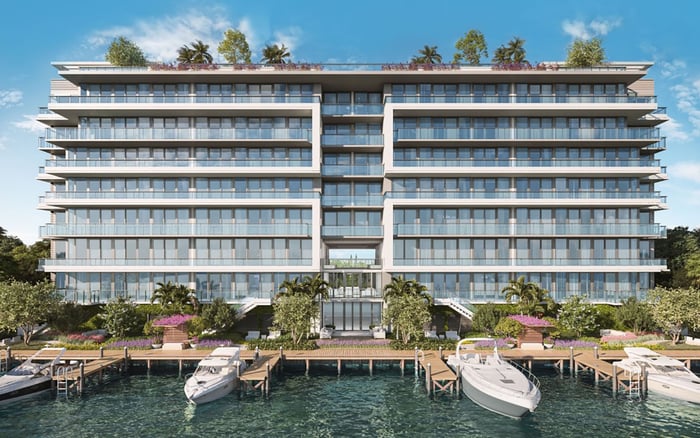
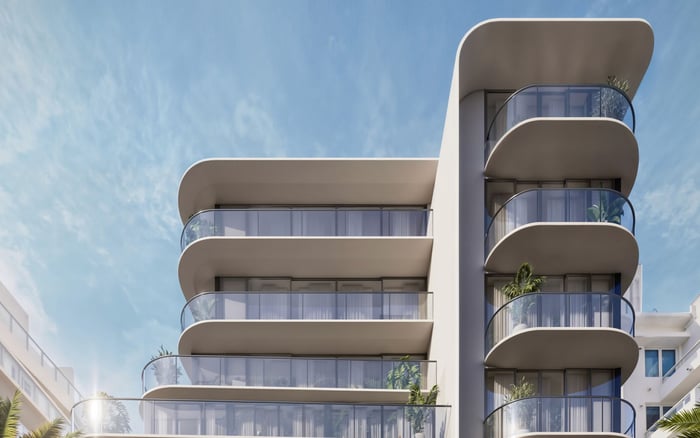
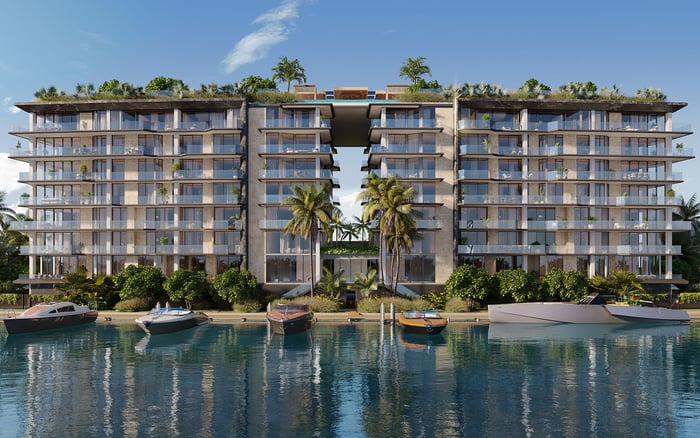
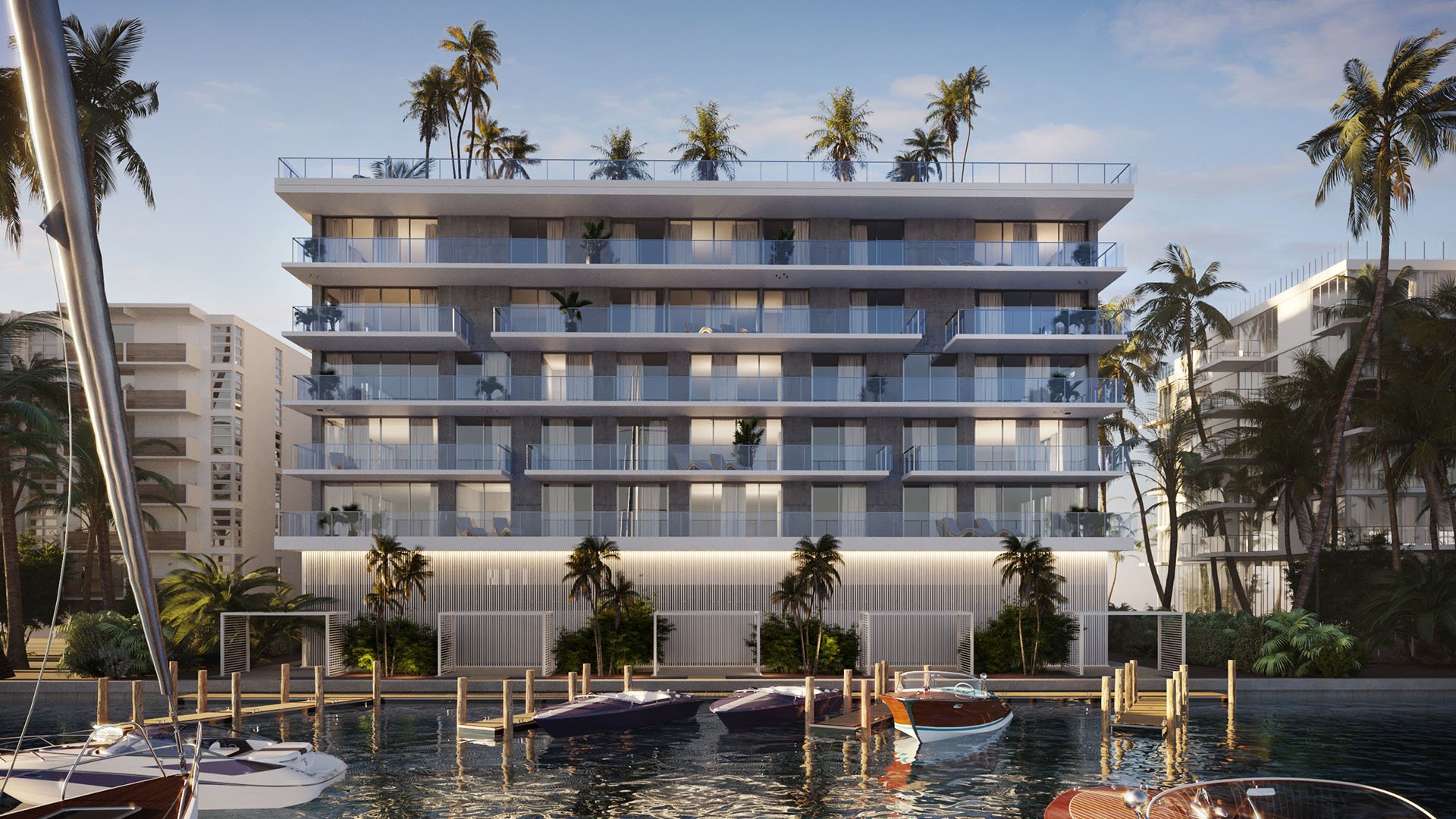
Origin is a seven-story, 27-residence condominium marketed at 9760 West Bay Harbor Drive. Layouts range from two bedrooms with 2.5 bathrooms to four bedrooms plus a den with 4.5 bathrooms. The waterfront offering includes more than 100 feet of water frontage and nine private boat slips. These details establish the setting-not an individual residence’s humidity controls or monitoring services.
The essential distinction is between general Florida vacancy guidance and Origin-specific operating instructions. Obtain the latter in writing rather than treating a familiar thermostat setting as an established building standard.
Origin’s March 2024 groundbreaking places it in the new-development category. The inquiry should therefore focus on delivered equipment, control capabilities, and owner handover instructions-not assumptions about an aging building. New construction should not be mistaken for a guarantee against moisture problems.
Request the residence’s HVAC specifications and ask the project’s HVAC professional to explain how the system will manage humidity during an extended vacancy. Does it respond directly to relative humidity, or does it operate primarily from a temperature setting? Is humidity-based control included, available as an option, or subject to later approval?
Ask for a demonstration of the delivered controls before relying on them remotely. Smart thermostats, humidity sensors, remote alerts, and staff monitoring of individual Origin residences are not established features here. Each requires direct confirmation. Distinguish included equipment from permitted upgrades and separately arranged services before making a purchase decision.
General Florida vacancy recommendations include keeping relative humidity below 60% and leaving air conditioning enabled rather than shutting cooling off. Suggested unoccupied temperature ranges vary: 78-82°F is one range; a separate vacant-condominium recommendation pairs 77-78°F with relative humidity at 58% or less.
These are discussion points, not interchangeable prescriptions or verified Origin requirements. They are general vacancy recommendations, not project engineering specifications. Ask the HVAC professional to select appropriate temperature and humidity settings for the delivered system and explain how they work together during an absence.
A temperature setting alone is not a complete moisture-management plan. Humidity-based control through a humidistat, rather than temperature alone, is a general vacancy recommendation. The practical question is whether the residence can respond to elevated humidity even when its temperature appears acceptable.
No single humidity threshold guarantees protection against mold. Have the professional distinguish the normal operating target from the alert threshold and specify what should happen when readings move outside the agreed range.
The AC fan’s AUTO setting, rather than ON, is a general vacancy recommendation. Continuous fan operation can return moisture from a wet cooling coil to indoor air between cooling cycles. Confirm how this applies to Origin’s actual equipment rather than assuming every control interface uses the same operating logic.
Supplemental dehumidification also warrants a specific conversation. A dehumidifier set to 58% relative humidity, with continuous drainage to a sink or shower, is a general vacant-condominium recommendation for prolonged absences. This does not establish that the arrangement is required, appropriate, or permitted at Origin.
Before purchasing equipment, ask whether supplemental dehumidification is necessary and which drainage arrangements management allows. Obtain professional guidance on equipment selection and placement, and identify who will inspect the setup while the residence is vacant. Do not derive an equipment count from bedroom count or floor area without a residence-specific assessment.
For a Bay Harbor purchase, an app demonstration should begin monitoring diligence, not conclude it. Ask whether owners can view both temperature and relative humidity remotely, review readings over time, and receive high-humidity or equipment-failure alerts. Confirm which capabilities are included and which require additional equipment or services.
Then establish the chain of responsibility:
Designate an alert recipient for periods when the owner is unavailable.
Identify who is authorized to enter the residence and inspect the equipment.
Define the response if the monitoring device or internet connection stops communicating.
Specify who may approve a service call or a change to the operating settings.
Request a demonstration of any proposed alert function and agree on escalation procedures before the first extended absence. A buyer also considering Alana Bay Harbor Islands should carry the same questions into that evaluation without assuming the projects share equipment or services.
The objective is not simply remote visibility. It is a documented path from an unusual reading to an authorized person taking appropriate action.
Origin’s 27-residence scale is not evidence of included home-watch service. Ask management which vacancy responsibilities belong to the association, which remain with the owner, and which may be assigned to an outside provider.
Obtain written answers covering required settings, emergency access, approved service providers, and any restrictions on unattended dehumidifiers or drainage. Clarify whether staff receive individual-residence alerts, whether they conduct inspections, and what response commitments, if any, apply. None should be inferred from the building’s size.
When comparing Origin with Bay Harbor Towers, evaluate the documented vacancy protocol alongside the residential offering. Focus on confirmed responsibilities rather than presumed similarities between developments in the same area.
A useful owner file should bring together approved temperature and humidity settings, fan mode, equipment instructions, drainage permissions, monitoring access, and emergency contacts. Ask the HVAC professional and management to resolve any conflicting instructions before leaving the residence unattended.
Arrange for the proposed settings and monitoring functions to be checked before departure. Agree on who will review alerts, inspect the residence, and record adjustments. The owner should know both the chosen set points and who has authority to change them.
For Origin, the strongest due diligence outcome is a clear, residence-specific operating plan. Waterfront access and considered layouts define the appeal; confirmed controls and accountable oversight support ownership during the months spent elsewhere. Treat vacancy readiness as a handover requirement, not an afterthought.
For a considered approach to South Florida waterfront ownership, explore MILLION.
If branded residences are on your mind — as a home or as an allocation — we would be glad to share what we are seeing, privately.
Begin a quiet conversationOrigin is a seven-story, 27-residence condominium marketed at 9760 West Bay Harbor Drive in Bay Harbor Islands. Its layouts range from two bedrooms with 2.5 bathrooms to four bedrooms plus a den with 4.5 bathrooms.
Included humidity sensors, smart thermostats, remote alerts, and individual-residence staff monitoring are not confirmed here. Buyers should verify each capability directly before relying on it.
General Florida vacancy guidance recommends relative humidity below 60%, while separate condo guidance suggests 58% or less. The project’s HVAC professional should establish the residence-specific target; neither threshold guarantees protection against mold.
General guidance ranges from 78–82°F, with separate condo guidance suggesting 77–78°F alongside humidity control. These are not verified Origin settings and should be reviewed with the project’s HVAC professional.
General Florida vacancy guidance recommends leaving air conditioning enabled rather than shutting it off. Obtain written operating instructions for Origin’s delivered equipment.
Continuous fan operation can return moisture from a wet cooling coil to indoor air between cooling cycles. Confirm that AUTO is the appropriate mode for the residence’s actual HVAC system.
No Origin-specific requirement is established here. Ask the HVAC professional whether one is necessary and obtain management approval for any proposed drainage arrangement.
General vacant-condominium guidance suggests this arrangement during prolonged absence. Its suitability and permission at Origin must be confirmed before installation.
No. Buyers should obtain written confirmation of any inspection, alert-handling, or emergency-response services rather than infer them from the 27-residence scale.
Document approved settings, fan mode, drainage permissions, monitoring access, emergency contacts, and entry authorization. Assign responsibility for reviewing alerts, inspecting the residence, and approving service calls.