A private berth deserves the same scrutiny as the residence beside it. Before buying, establish ownership and resale rights, test the fit for your vessel, and examine the marina’s finances, infrastructure, insurance and storm obligations.
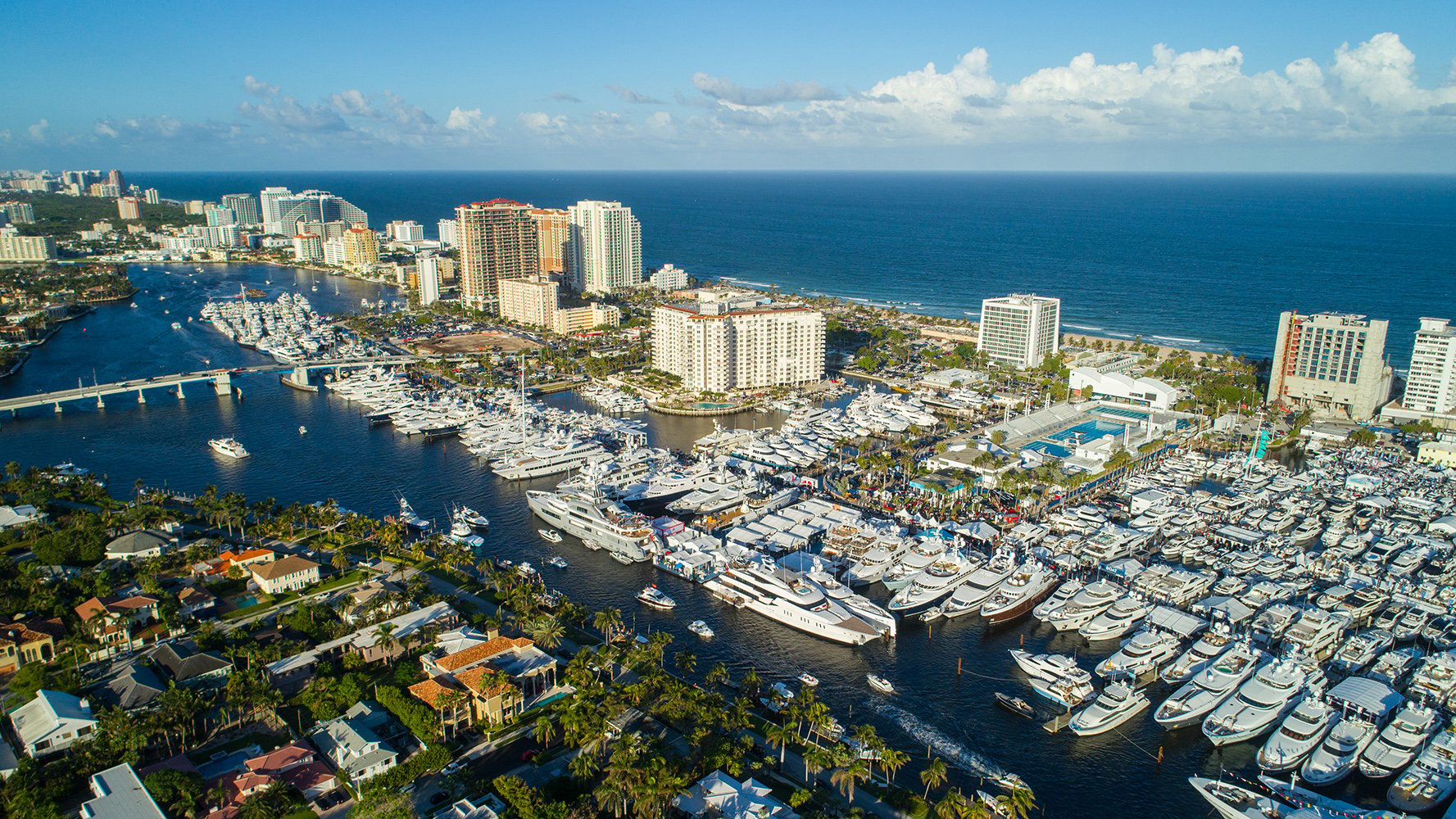
The appeal of a private berth is immediate: a boat close to home and fewer arrangements between breakfast and departure. Yet the purchase demands scrutiny distinct from the residence itself. The central question is not simply where the vessel will sit, but what legal right you are acquiring-and how reliably it supports your boating life.
Private marina access does not establish ownership of a particular berth or guarantee the right to purchase one. Whether your residential search includes Una Residences Brickell or another address in Brickell, evaluate the home and any proposed dockage arrangement separately. Obtain written answers before treating them as a single lifestyle purchase.
A slip may be separately deeded, attached to a condominium residence, assigned, leased or licensed. Each structure carries different use and transfer rights. Request the deed, legal description, condominium declaration, amendments, marina rules and any assignment agreement. Listing language such as “deeded dock” is a starting point, not a substitute for the documents.
Have counsel identify precisely what the seller can convey. If the berth is a limited common element appurtenant to a residence, it may be inseparable from that unit. Ask the closing agent whether the transaction requires a separate title search, title insurance, legal description or closing documentation.
Establish who controls the marina: the residential association, a separate marina association or an outside operator. That distinction helps clarify who sets fees, approves users and allocates maintenance obligations.
Ask whether you can sell the slip independently, transfer it to another resident or rent it to an outside boater. Check eligibility requirements, association approval, minimum rental terms, rental caps and transfer charges. A right to use a berth is not necessarily an unrestricted right to monetize it.
For a buyer considering Onda Bay Harbor alongside other residential options, the question extends beyond whether boating suits the setting. Will any dockage offered with the transaction remain usable if the owner changes vessels, rents the residence or eventually sells? Each answer must be established in the applicable agreement.
Request a complete schedule of dock dues, association assessments, utilities, service charges, transfer fees, applicable property taxes and potential special assessments. Determine whether the slip has its own tax account or is assessed with another parcel, then review the relevant bill.
Read budgets, reserves, meeting minutes and assessment notices together. Look for planned dock replacement, seawall work, dredging, electrical upgrades and storm-related expenditure. The question is not only what ownership costs today, but what work is contemplated and how it will be funded.
Obtain an association estoppel to confirm the seller’s account balance and applicable charges. Investigate pending assessments and unresolved violations separately. Establish which charges remain the seller’s responsibility, and address that allocation explicitly in the purchase documents.
An advertised slip length does not establish a workable berth. Measure usable length, width, piling spacing and clearance from neighboring vessels. Compare the boat’s loaded draft with available depth and tidal conditions, then investigate shoaling, dredging history and room to turn.
Extend the review beyond the dock. Channel depth, fixed-bridge clearance, bridge-opening schedules and no-wake restrictions belong in the same assessment. A comfortable berth is of limited use if the route to open water conflicts with the vessel’s requirements or the owner’s intended routine.
In Fort Lauderdale, a residential comparison that includes St. Regis® Residences Bahia Mar Fort Lauderdale still calls for separating vessel suitability from the appeal of the address. Verify the dimensions and route for the particular berth under consideration; do not infer suitability from the surrounding waterfront setting.
Request condition assessments and repair records for docks, pilings, seawalls, lifts and electrical systems. Establish who pays for each component, as well as utilities and dredging. An assurance that maintenance is “handled” is incomplete unless the governing documents identify the responsible party and the funding obligation.
Ask for permit records covering docks, seawalls, lifts, dredging and shoreline work, including applicable local, state and federal authorizations. Determine whether a state-owned submerged-land lease or another waterfront authorization affects the marina. If so, review its term, renewal provisions, transferability and compliance status.
Older facilities and locations with fueling, repair or industrial histories may warrant environmental review, underwater inspection or further testing based on initial findings. Request disclosures about litigation, code or permit violations, environmental notices and outstanding insurance claims.
Read the operating rules against your actual habits. Confirm restrictions on overnight stays, live-aboard use, charter activity, guests, maintenance, fueling and unattended vessels. Verify shore-power capacity, metering, water availability, pump-out access and charges beyond regular dues.
The same discipline applies when considering Vita at Grove Isle as part of a home-and-boating search: the residential decision should not replace a separate review of any proposed berth’s operating terms.
Have an insurance adviser distinguish association coverage from personal exposure. Review flood, windstorm, liability and vessel-insurance requirements, master-policy exclusions and additional-insured obligations. Do not assume the association’s policy resolves every question about your boat or financial responsibilities.
Finally, obtain the hurricane and closure plan. Who prepares the berth? Must the vessel leave, and under what conditions? What emergency access remains available? Ask how prolonged post-storm closures are handled and which obligations continue while the marina is unavailable.
Translate due diligence into the purchase contract. With counsel, make satisfactory review of title, permits, inspections, marina documents, transfer rights, assessments and insurance availability part of the closing conditions.
Before committing, verify current pricing, dimensions, availability, reserves and assessments directly with the seller, association or operator. The strongest purchase is not simply a desirable berth. It is a documented right suited to the vessel, with costs and responsibilities the buyer understands.
For a considered approach to South Florida waterfront living, explore MILLION.
If branded residences are on your mind — as a home or as an allocation — we would be glad to share what we are seeing, privately.
Begin a quiet conversationNo. Access does not establish ownership of a particular berth or guarantee a right to buy one; review the specific ownership or use agreement.
Request the deed, legal description, condominium declaration, amendments, marina rules and applicable assignment agreements. Ask the closing agent what separate title and closing work is needed.
That depends on the governing documents. A slip designated as a limited common element appurtenant to a residence may be inseparable from that unit.
Confirm whether outside boaters are eligible and whether association approval, minimum terms, rental caps or transfer fees apply.
Request dock dues, assessments, utilities, service charges, transfer fees and applicable property taxes. Review reserves and planned work for potential special assessments.
Measure usable length, width, piling spacing and neighboring clearances, then compare loaded draft with depth and tidal conditions. Check turning room and the full route to open water.
Responsibility depends on the governing documents and operating arrangements. Establish who pays for seawalls, docks, pilings, utilities and dredging before closing.
A state-owned submerged-land lease or other authorization may affect the marina. Review any applicable term, renewal provisions, transferability and compliance status.
Do not assume it does. Review master-policy exclusions alongside vessel, liability, flood and windstorm requirements with an insurance adviser.
It should clarify storm-preparation duties, vessel-removal requirements and emergency access. Also ask how prolonged closures and continuing obligations are handled.