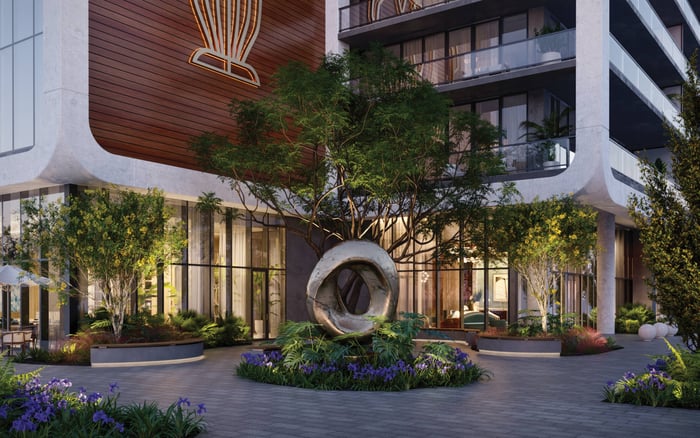
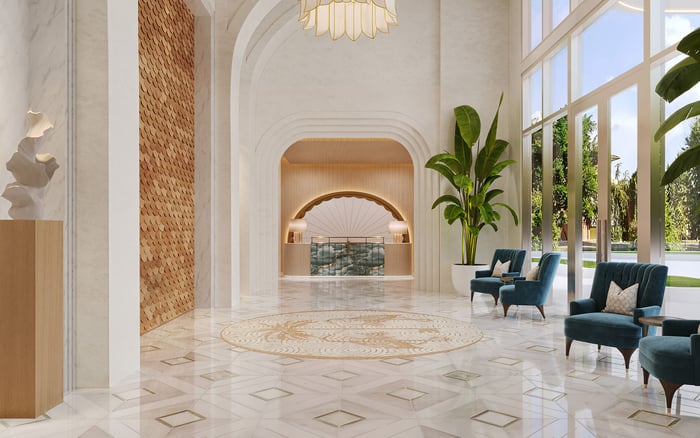
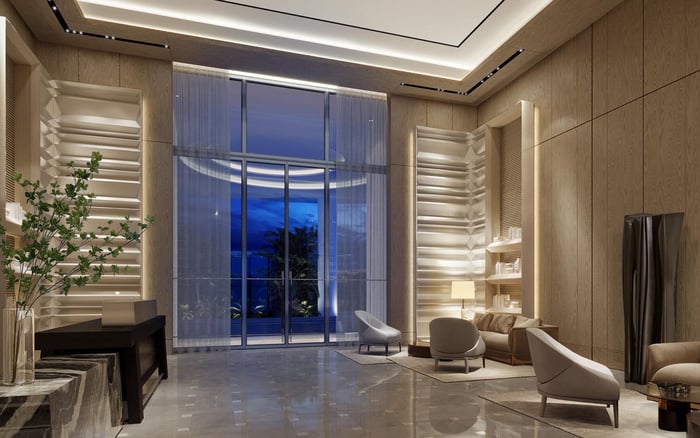
Private dining can reshape luxury ownership when it functions as dependable residential infrastructure. For Nora House buyers, the decisive questions concern access, service scope, guest policies, costs and operational consistency.
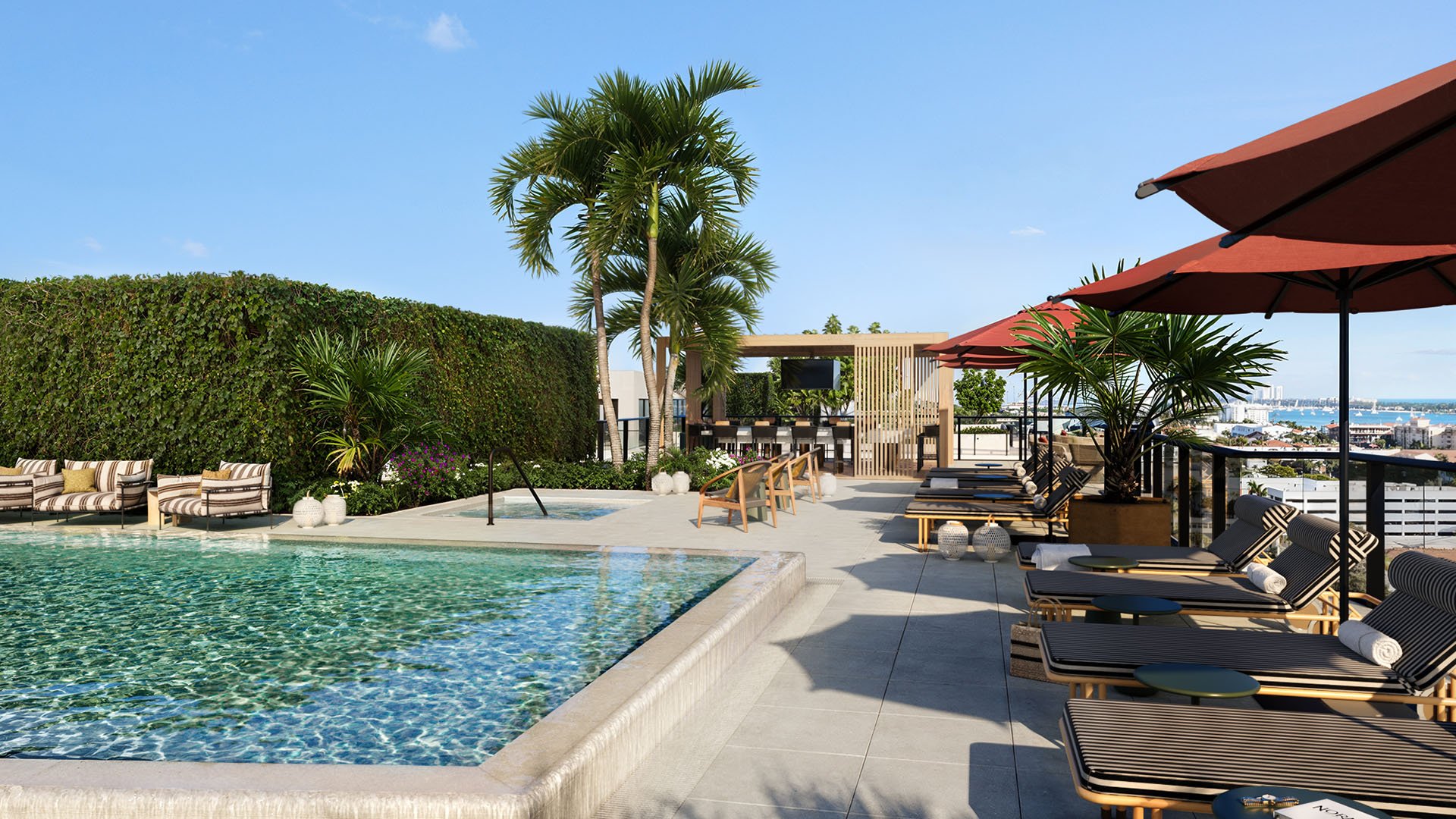
For luxury buyers, private dining is more than another room in an amenity collection. Its value lies in whether it becomes dependable infrastructure for daily life: a discreet setting for an impromptu supper, a polished table for visiting family or a calm alternative to securing a public reservation.
That distinction is central when considering Nora House West Palm Beach. Any private-dining proposition should be judged by the experience it is intended to deliver, not by the label alone. Buyers need to understand who may use it, how food and beverage service is arranged, when it operates and what each occasion costs.
The strongest amenity is rarely the most theatrical. It is the one residents can use naturally and repeatedly.
Resident-only hospitality suggests a protected social environment, but its practical definition can vary. Access may extend only to owners and occupants or include accompanied guests. Reservations may be required, priority windows may apply and private events may follow separate rules. Each detail changes the experience.
Buyers should determine whether the dining space functions as a bookable private room, an attended residential venue or a flexible salon with optional service. The answer affects spontaneity, privacy and staffing. It also reveals whether the amenity is intended for frequent, casual use or more formal occasions.
Guest policy deserves equal scrutiny. A generous policy can make entertaining effortless, while tighter controls may preserve availability and discretion. Neither model is inherently superior. The right choice depends on how an owner expects to live, host and divide time among residences.
Hospitality succeeds through execution. Before assigning value to private dining, buyers should seek precise answers about operating hours, reservation lead times, cancellation terms, guest limits and event policies. They should also establish whether menus, chefs, servers, beverages, gratuities and cleaning are included, charged separately or coordinated through outside providers.
Costs require the same clarity. Private dining may affect common charges through staffing and maintenance, even when meals are billed separately. Owners should understand the distinction between building-wide expenses and charges triggered by personal use. They should also ask how service standards, budgets and policies may change over time.
Operational governance is particularly important for a new project. A beautifully rendered room does not define the eventual experience. What matters are the documents establishing control, funding, access and responsibility once residents begin using the space.
For the right household, private dining can compress several steps into one familiar setting. It may reduce the need to coordinate transportation, secure an outside table or prepare the residence for a larger gathering. That convenience can be especially relevant for a second-home owner who wants every visit to feel composed from arrival.
The lifestyle benefit is also social. A residential setting can encourage connection without the exposure or formality of a public venue. Yet discretion depends on acoustic separation, circulation and booking practices. Buyers should consider whether guests can arrive without passing through highly private residential zones and whether simultaneous amenity use could alter the atmosphere.
The same scrutiny applies to adjacent lounges and bars. Their value depends on service boundaries, hours and the balance between conviviality and residential quiet. Hospitality should expand an owner’s options without making the building feel like a public destination.
Private dining belongs within a broader residential comparison, not in isolation. Buyers exploring West Palm Beach might place Mr. C Residences West Palm Beach, Mandarin Oriental Residences, West Palm Beach and Banyan Tree Residences West Palm Beach on the same initial itinerary. The purpose is not to assume equivalent offerings, but to compare each project’s complete ownership proposition directly.
That review should weigh residence design, privacy, arrival sequence, service structure, amenity access and anticipated carrying costs. A boutique atmosphere may appeal to an owner who values familiarity and a controlled social scale, while another buyer may prefer a broader service ecosystem. The decision turns on personal rhythm, not the longest amenity list.
Location within an owner’s routine matters as well. Dining at home is more consequential for someone who entertains frequently than for an owner who treats the residence primarily as a private retreat. A visit to Shorecrest Flagler Drive West Palm Beach can broaden the comparison further by keeping the residence, setting and service model in view as an integrated whole.
Begin with three scenarios: an ordinary weeknight, a dinner for invited guests and a fully private celebration. Ask the sales team to explain precisely how each would be arranged, staffed and billed. Then request the relevant governing language and compare verbal descriptions with the documents that will control ownership.
Next, test capacity and availability. How many households might seek the venue at peak times? Are recurring bookings restricted? Can management close the room for maintenance or private functions? A credible operating model should reconcile exclusivity with fair access.
Finally, give private dining appropriate weight in the purchase decision. It can be a meaningful extension of the residence, but it should complement fundamentals such as privacy, layout, service reliability and long-term cost visibility. The objective is not hospitality for its own sake. It is a home that makes sophisticated living feel easier.
Does private dining mean a restaurant operates inside Nora House? The phrase alone does not establish the operating model. Buyers should confirm whether the space is attended, bookable, catered or structured another way.
Who should be allowed to reserve a resident-only dining room? Access rules vary by property. Confirm eligibility for owners, tenants, household members and accompanied guests.
Are meals usually included in common charges? Buyers should not assume so. Ask which operating expenses are shared and which food, beverage or staffing costs are charged per use.
Can residents bring an outside chef or caterer? That depends on building policy, insurance and kitchen rules. Obtain the requirements for approved vendors and outside service before purchase.
How important are reservation windows? They determine how spontaneous the amenity can feel. Review advance-booking limits, peak-date rules, cancellations and penalties.
May residents host private events? Event privileges may involve guest caps, deposits, service requirements and time restrictions. The governing rules should define every condition.
What should buyers ask about service hours? Confirm regular schedules, seasonal changes and procedures outside staffed periods. Also ask who handles special requests.
Could private dining affect monthly ownership costs? It could if staffing, maintenance or operations are funded collectively. Buyers should review budgets and potential user charges separately.
Is resident-only dining useful for a part-time owner? It can be, particularly when it reduces the logistics of hosting. Its value depends on availability during the owner’s typical travel periods.
What is the best way to compare hospitality-focused residences? Apply identical scenarios at every property, then compare documented access, staffing, pricing and governance alongside the residence itself.
For a confidential assessment and a building-by-building shortlist, connect with MILLION.
If branded residences are on your mind — as a home or as an allocation — we would be glad to share what we are seeing, privately.
Begin a quiet conversation