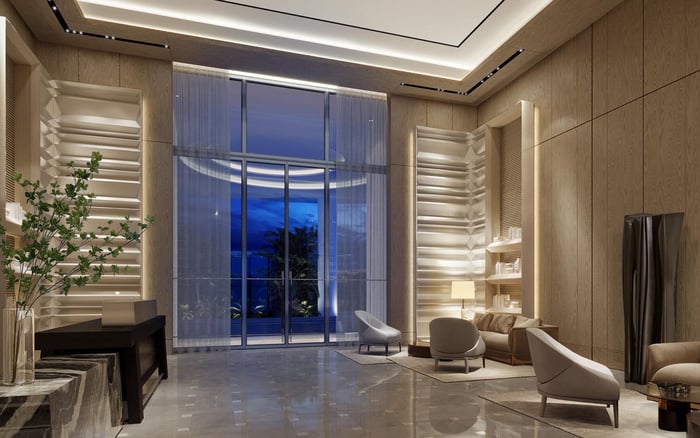
A buyer-focused look at how to evaluate private dining, resident access, guest policies, service, privacy, and everyday usefulness at Aria Reserve Miami.
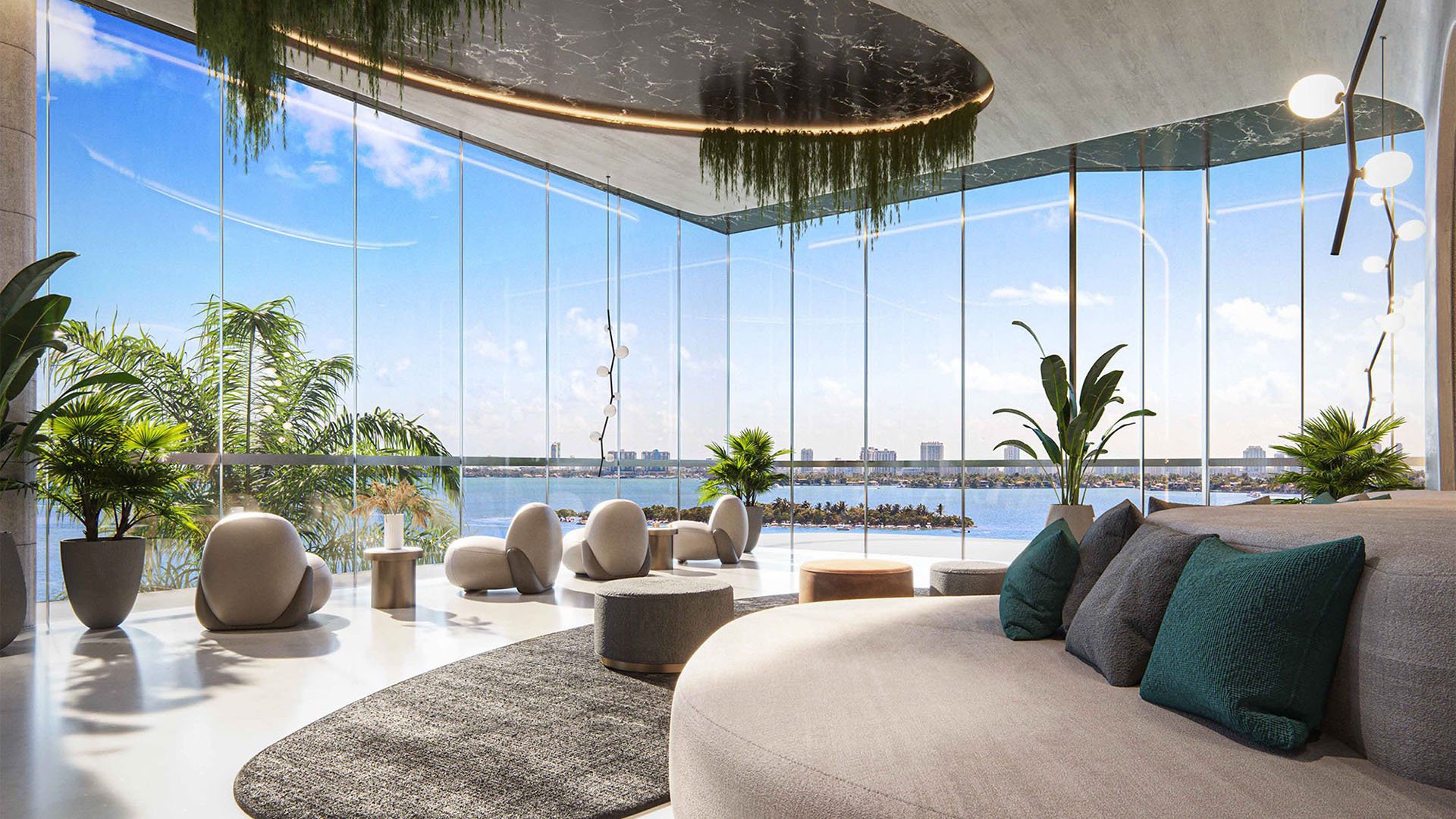
At Aria Reserve Miami, buyers considering private dining should look beyond the amenity label and examine how hospitality would function in daily ownership. The central questions concern access, service, privacy, reservations, guest procedures, and the relationship between shared venues and the private residence.
A dining setting can add practical value when it gives residents another place to meet, host, or spend time without turning the home into the venue for every occasion. Its usefulness, however, depends on operating details that should be confirmed through current project materials and governing documents.
Resident-only hospitality generally describes spaces or services intended primarily for owners, residents, and authorized guests rather than the broader public. That distinction can influence atmosphere and convenience, but it does not by itself explain how a specific venue operates.
Buyers should determine whether access is automatic, reservation-based, or limited by event schedules. They should also ask how guests enter, whether residents must remain present, and whether separate rules apply to dining, meetings, celebrations, or catered functions.
The phrase “resident-only” should not be treated as a substitute for written policy. Access rules, hours, charges, staffing, and service arrangements may affect the experience as much as the physical design.
The appeal of private dining is flexibility. A well-managed shared venue may allow an owner to entertain outside the residence, separate social events from family space, or choose a more formal setting when the occasion calls for it.
That flexibility is most valuable when the booking process is clear and the space matches the owner’s routine. A frequent host may prioritize guest arrival and event support, while another buyer may care more about informal use and ease of access.
Prospective owners should consider whether a dining venue would genuinely supplement the way they live. A visually impressive room may have limited practical value if availability, restrictions, or costs do not align with expected use.
Hospitality is operational. Staffing, cleaning, scheduling, food-and-beverage arrangements, acoustics, and circulation can determine whether a shared dining space feels polished or complicated.
Privacy also requires specific questions. Buyers may want to know whether events overlap, how guest traffic is managed, and whether adjacent areas remain accessible during private bookings. If outside catering is contemplated, confirm whether it is allowed and what insurance, delivery, setup, or cleanup requirements apply.
Any fees, minimum spending requirements, deposits, cancellation terms, or damage policies should be reviewed in writing. Buyers should avoid assuming that access to an amenity means every use is included without an additional charge.
A useful comparison should focus on how hospitality supports ownership rather than on the number of amenities listed. Buyers exploring the same broader Miami market can also review EDITION Edgewater, Villa Miami, and The Cove Residences Edgewater.
For each residence, compare the same practical categories: who may use a space, how it is reserved, what services are available, which costs apply, and how private functions are managed. Current policies and project documents should guide the comparison rather than assumptions based on branding or renderings.
Before relying on private dining as part of the ownership decision, request the latest written information governing the space. Confirm access, capacity, hours, reservation windows, guest limits, cancellation procedures, catering rules, staffing, cleanup, and applicable charges.
Buyers should also ask who operates each hospitality component and whether operating arrangements may change. If hosting is a priority, walk through the full guest experience, including arrival, access control, deliveries, event setup, and departure.
The ownership value of private dining ultimately depends on fit. The strongest amenity is not necessarily the most elaborate one, but the one whose access and operations complement the resident’s actual routine.
Does the article confirm a specific private-dining operating model at Aria Reserve Miami? No. Buyers should verify the current venue, access, and operating details through official project materials and governing documents.
What does resident-only hospitality generally mean? It usually refers to spaces or services intended primarily for residents and their authorized guests, subject to the property’s rules.
Should buyers assume guests can enter independently? No. Guest registration, resident-presence requirements, and access procedures should be confirmed in writing.
Are reservations always required for private dining? Reservation requirements can vary by venue and type of use, so buyers should review the applicable procedures.
Can an amenity involve additional fees? It may. Confirm booking charges, deposits, minimums, staffing costs, cancellation terms, and cleanup expenses before relying on access.
Is outside catering necessarily permitted? No. Buyers should ask about approved vendors, deliveries, insurance, setup, service, and cleanup requirements.
What privacy questions matter most? Ask about guest traffic, overlapping events, acoustics, access control, and whether nearby shared spaces remain open during bookings.
How should frequent hosts evaluate the experience? They should examine the complete process from reservation and guest arrival through event support, cleanup, and departure.
What is the best way to compare nearby residences? Apply the same criteria to each property, including eligibility, booking procedures, services, restrictions, costs, and management.
Which documents should a buyer review? Review the latest governing documents, amenity rules, fee schedules, reservation terms, and other current written disclosures relevant to the contemplated use.
To compare the best-fit options with clarity, connect with MILLION.
If branded residences are on your mind — as a home or as an allocation — we would be glad to share what we are seeing, privately.
Begin a quiet conversation