Boca Raton’s luxury condominium decisions deserve scrutiny beyond the residence itself. Two distinct disputes illustrate why buyers should examine developer turnover, engineering findings, warranty obligations and common-area delivery before pricing privacy and service into a purchase.
In Boca Raton, a luxury condominium purchase is also a decision about daily life: who enters the building, how service reaches the residence, whether amenities are usable and how unexpected work will be funded. Finishes are visible. The obligations behind a quiet, well-run address require closer reading.
Two local disputes illustrate distinct risks. Tower 155 concerns alleged defects after developer turnover. The Mandarin Oriental project concerns unfinished construction, contractual delivery and financing disputes. Neither is a verdict on Boca Raton condominiums generally. Together, they suggest a disciplined approach: examine the building’s condition, contractual promises and financial responsibilities separately before deciding what the residence is worth.
Tower 155 is a 127-unit condominium at 155 East Boca Raton Road. Developer turnover reportedly occurred on March 29, 2022. By July 2024, its association had sued the developer, contractor, architect and other companies over alleged construction and design defects.
The allegations included improper installation and materials, water intrusion, corrosion, unsafe conditions and building-code noncompliance. A 166-page engineering assessment reportedly documented extensive deficiencies, including conditions described as inconsistent with the Florida Building Code. These are allegations and engineering findings, not final judicial determinations.
The association sought damages to fund repairs or rebuilding. No final repair cost or court award is established here, and the dispute provides no basis for assigning a per-residence liability.
For a buyer, the lesson is specific: a turnover date does not establish building condition. Request the engineering file, subsequent investigations, proposed remediation and evidence of completed work. Ask an independent engineer to distinguish open issues from those already resolved.
The circumstances surrounding The Residences at Mandarin Oriental Boca Raton fall into a different category. The Federal Highway project, a few blocks north of Camino Real, remained unfinished in July 2026 amid lawsuits involving lenders and the construction manager.
In August 2026, the developer sued an affiliate of Madison Realty Capital ahead of a planned UCC foreclosure auction. Construction had reportedly stopped, and the lawsuit alleged that lender mismanagement had allowed water and mold damage at the tower. Those allegations do not establish responsibility or the eventual outcome.
Delivery disputes warrant separate attention. An August 2024 lawsuit sought the return of a $2.3 million buyer deposit, alleging a missed June 30, 2024 contractual deadline. Additional buyer lawsuits seeking deposit refunds over alleged delivery failures followed by June 2026. Separately, two construction companies pursued foreclosure of approximately $3.5 million in construction liens in August 2024.
These figures represent disputed deposits and liens-not established owner assessments, final losses or completion budgets. Counsel should examine the specific purchase agreement rather than infer remedies from another buyer’s claim.
A practical review connects documents to decisions. Request turnover records, available plans, inspection findings, maintenance history, board minutes and relevant litigation updates. Where access is restricted, ask counsel what can properly be obtained and what remains unresolved.
For an engineering assessment, examine scope as closely as conclusions. What was inspected? What testing was performed? Which conditions require further investigation? What repair work has been proposed, priced, authorized or completed? A long document is not, by itself, a repair plan.
A buyer considering Alina Residences Boca Raton can use these questions as a due-diligence framework. That comparison implies neither a similar dispute nor any deficiency at the project. The objective is to evaluate each building on its own records, not transfer concerns from one address to another.
Warranty review should identify the responsible party, covered components, applicable dates, exclusions, notice procedures and available remedies. Ask counsel to distinguish developer commitments from contractor obligations and manufacturer coverage, including any questions about transferability.
Create a simple schedule matching each material issue to the potentially relevant warranty and required next step. Do not assume that a complaint to management satisfies a contractual notice provision or that an unresolved claim will automatically finance repairs.
No project-specific warranty terms are established here. These are recommended review questions, not findings that any named project lacks coverage. Useful answers rest on documents: the actual language, the party expected to perform and counsel’s assessment of the relevant deadlines. Broad assurances carry less weight than a clearly identified obligation.
Common areas deserve their own completion review. In August 2023, redesigns of rooftop pools and amenity decks were cited as contributing to delays at the Mandarin Oriental project. That history illustrates why residence delivery and amenity availability should be examined separately.
Ask which shared spaces are complete, which are available for use and which remain subject to work. Request the applicable completion commitments, outstanding-item schedule and allocation of costs. Have counsel explain whether the contract distinguishes residence delivery from amenity completion and what consequences, if any, follow a delay.
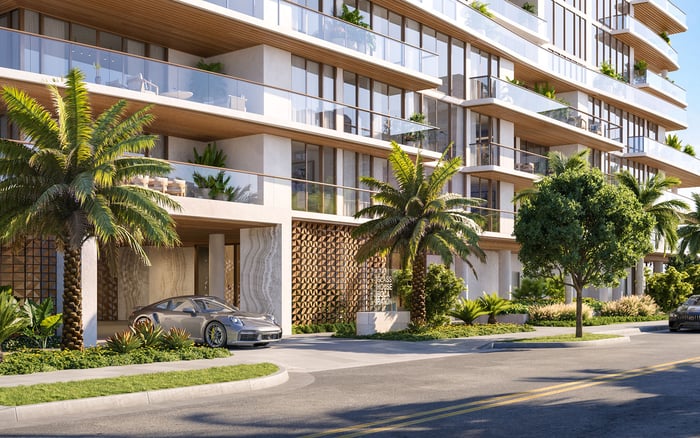
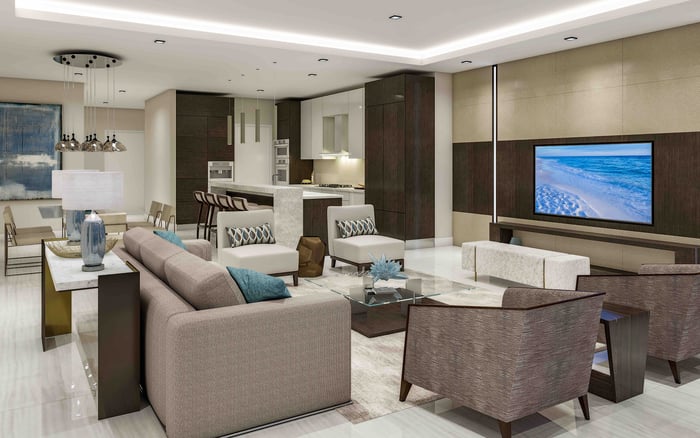
For Glass House Boca Raton, apply that review to the project’s own documents without assuming its completion status or terms. Renderings communicate design intent; they should not replace written answers about delivery and responsibility.
Privacy deserves an operational review, not an inference from branding. Ask management to explain resident, guest, delivery and contractor access; elevator use; work-hour restrictions; and procedures for entry into residences. If repairs are contemplated, ask how work zones and resident circulation would be separated.
Service requires the same precision. Request the service agreement and current or proposed operating budget. Clarify what is included, what is optional, who supplies each service and how obligations may change. No verified privacy measures or monthly service costs are established here for the named properties.
For a second-home buyer, these questions are especially practical: who communicates an incident, who may authorize access and how is completed work documented? Seek written procedures rather than relying on a presentation’s promise of effortless ownership.
Keep recurring operating expenses, reserve contributions, proposed repairs and unresolved claims distinct. Ask for current budgets, available reserve information, approved assessments and the assumptions behind any projected cost. Do not treat an anticipated litigation recovery as assured funding or a disputed lien as an automatic owner bill.
A sound purchase decision does not require a building without questions. It requires answers clear enough to judge the price against condition, completion, access, service and responsibility. Where material questions remain, have counsel and technical advisers explain the implications before committing.
For a discreet conversation about your Boca Raton residential search, connect with MILLION.
If branded residences are on your mind — as a home or as an allocation — we would be glad to share what we are seeing, privately.
Begin a quiet conversationTower 155 involves alleged construction and design defects after developer turnover. The Mandarin Oriental dispute involves unfinished construction, delivery deadlines and financing issues.
Developer turnover reportedly occurred on March 29, 2022.
Allegations included water intrusion, corrosion, improper installation and materials, unsafe conditions and building-code noncompliance. They should not be treated as final judicial findings.
No final repair cost or court award is established here. The association sought damages to fund repairs or rebuilding.
An August 2024 buyer lawsuit sought return of a $2.3 million deposit, alleging that a June 30, 2024 contractual delivery deadline had been missed.
No. The figure concerned construction liens pursued by two construction companies in August 2024, not established owner assessments or a total completion budget.
Request the engineering assessment, subsequent investigations, proposed repair scopes and evidence of completed work. An independent engineer can help distinguish unresolved conditions from documented repairs.
Ask counsel to examine covered components, responsible parties, applicable dates, exclusions, notice procedures and remedies. No project-specific warranty terms are established here.
Request written completion commitments, an outstanding-item schedule and the allocation of costs. Have counsel explain whether residence delivery and amenity completion are treated separately in the contract.
Request written access procedures, service agreements and operating budgets. Clarify guest and contractor access, included services and any optional charges.