A practical ownership calendar for buyers balancing Wellington's winter circuit with personal use, seasonal leasing and year-round care in South Florida.
For an equestrian household, a South Florida purchase is both a real-estate decision and an operating commitment. Closing, improvements, staffing, personal occupancy and potential leasing should be coordinated around the periods when the household expects to be in Wellington.
Start by defining the residence's role. It might serve as a close-in equestrian base, a managed second home or an asset that combines selected personal stays with seasonal leasing. That decision should guide the location, property type and level of year-round oversight.
A Wellington farm may suit an owner who prioritizes proximity and needs equestrian infrastructure. It also calls for continuing attention to the residence, grounds and horse-related areas while the owner is away.
A non-stabling home can reduce the operational scope, but security, landscaping, pools, utilities and vendor access still need local supervision. Buyers who attend only selected portions of the season may instead consider a managed coastal residence and accept the drive to Wellington.
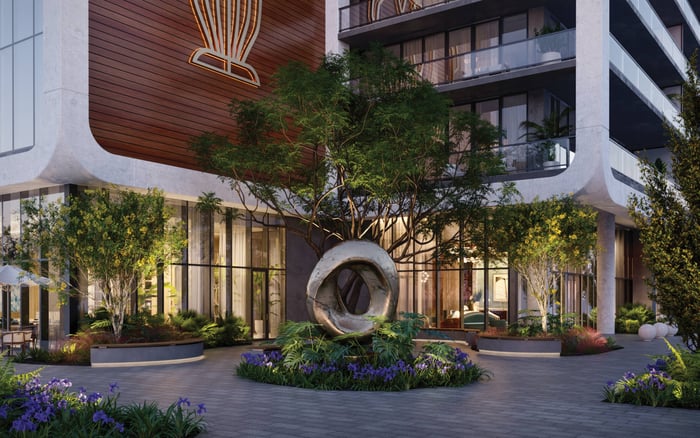
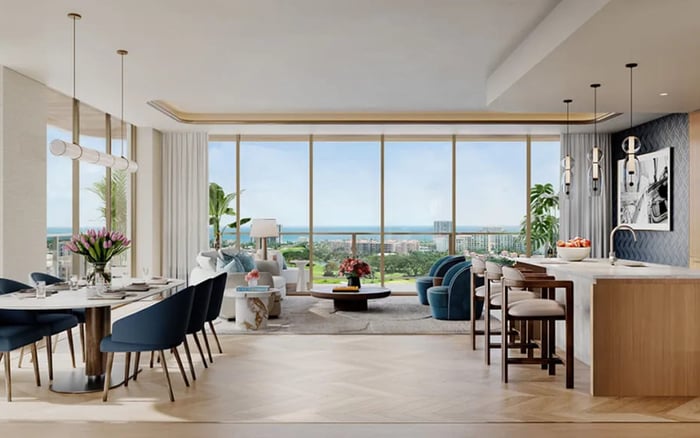
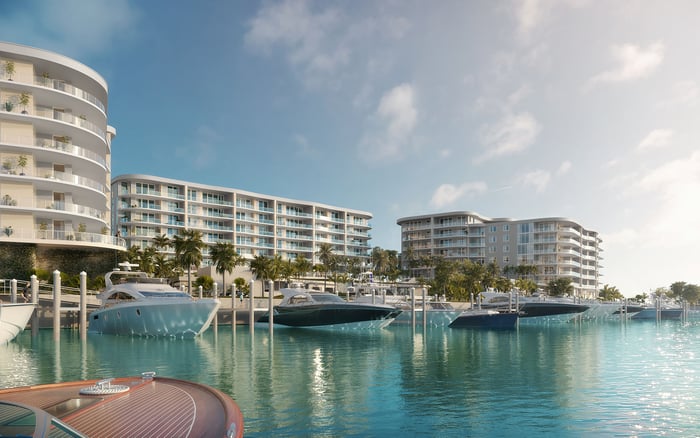
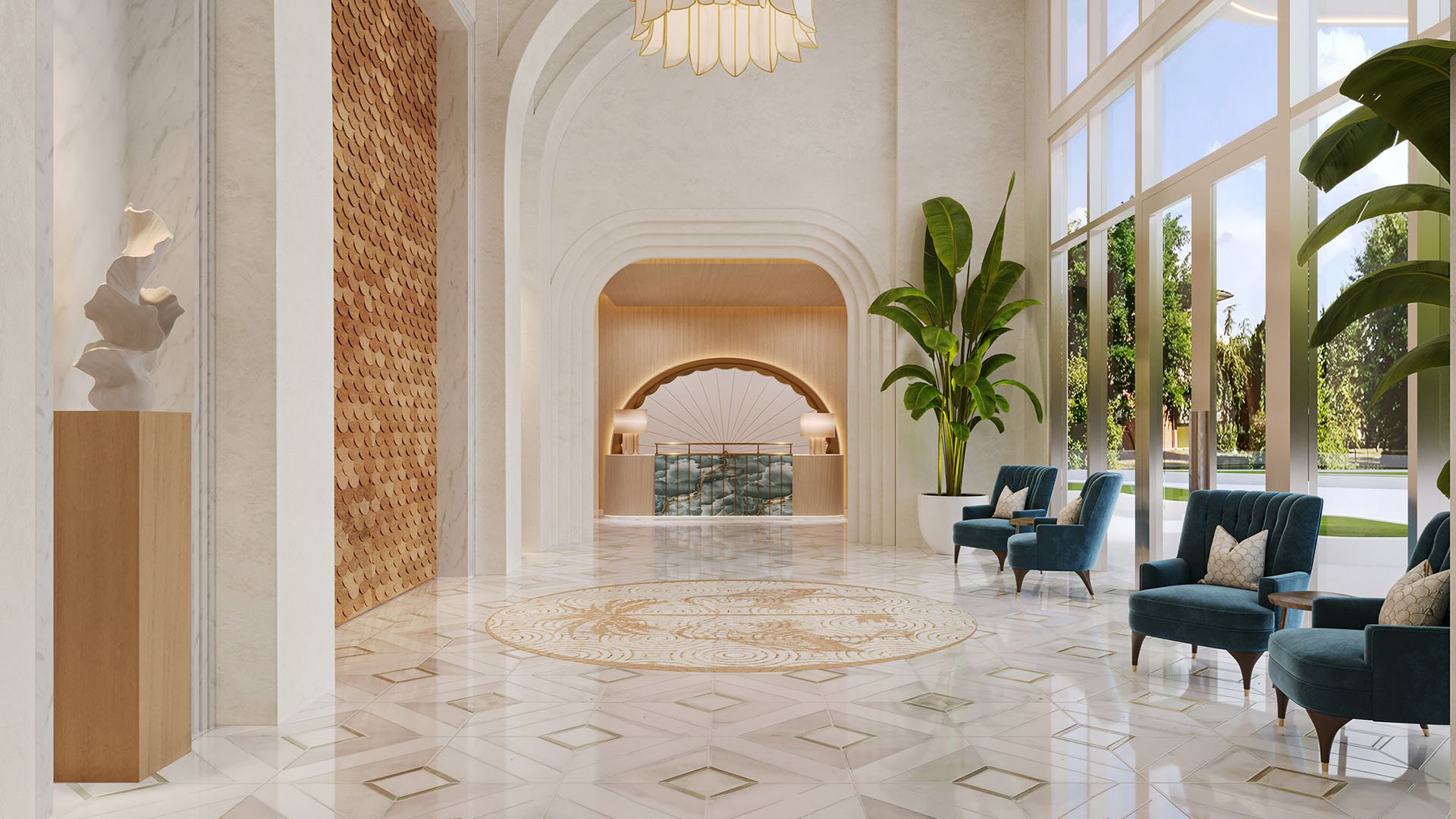
In West Palm Beach, Forté on Flagler West Palm Beach and The Ritz-Carlton Residences® West Palm Beach offer reference points for a coastal-home search. Buyers comparing other Palm Beach County locations may also review The Residences at Mandarin Oriental Boca Raton.
The choice should reflect attendance frequency, driving tolerance, service expectations and whether horses need to live on the property. Riders anticipating early starts, repeat trips or evening commitments may place greater weight on proximity.
Build enough time between closing and occupancy to complete improvements, establish vendor relationships and test essential systems. Leasing decisions should also be made before the residence is marketed so personal dates and delivery standards are clear.
A lock-and-leave plan can include monitored security, controlled access and a local key holder or property manager. Written responsibilities should identify who may admit vendors, respond to alerts, supervise turnovers and authorize urgent work. Individual access permissions are generally easier to monitor than a shared permanent code.
For an equestrian property, create an operating file for the residence, grounds and horse-related infrastructure. Document access procedures, maintenance contacts and inspection responsibilities, then test gates, exterior lighting, irrigation, internet coverage and backup entry arrangements before arrival.
Buyers considering a city base may also compare Mr. C Residences West Palm Beach. The practical question is whether the residence and its management structure support predictable periods of occupancy and absence.
During major event periods, household operations may require closer coordination. Guest approvals, transportation, deliveries, housekeeping and vendor visits should be organized around the owner's competition and attendance plans.
Assign lower-priority maintenance to quieter days where possible. Service agreements should state inspection frequency, response expectations and authorization limits. The property manager should also maintain current vendor contacts and a concise escalation plan.
For a farm, the plan should cover both domestic and equestrian systems. Responsibilities should remain clear even if the owner, horses or seasonal staff are away from the property for part of the year.
Before offering a residence for seasonal occupancy, identify the dates reserved for the owner. Event periods that matter most to the household should either remain blocked for personal use or be included deliberately in the lease offering.
Evaluate any rental approach after accounting for preparation, management, turnovers and ongoing property care. The objective is not merely to secure occupancy, but to deliver the residence consistently without disrupting the owner's priority dates.
The operating file should also distinguish owner, tenant and manager responsibilities. Access, inspections, vendor approvals and post-occupancy reviews are easier to administer when established before a lease begins.
After the household's final event stay, inspect security equipment, access records and exterior entry points. At an equestrian property, review the residence, grounds and horse-related areas while recent operating issues are still easy to identify.
Document damage, maintenance needs and deferred work before seasonal personnel or vendors change. Then move from the in-season service plan to a clearly defined baseline schedule covering security, landscaping, pools, utilities and any equestrian facilities.
Lock-and-leave ownership is not the absence of maintenance. It is a structure in which responsibility, access and reporting have been assigned before the owner departs.
What should a buyer decide before choosing a South Florida residence? Define whether the property will be an equestrian base, a managed second home or a residence combining personal use with seasonal leasing.
How does a Wellington farm differ from a coastal condominium? A farm adds grounds and horse-related infrastructure to the operating plan, while a managed coastal residence may offer a simpler framework for periods of absence.
Is proximity to Wellington important? It may be especially important for owners planning early starts, repeat daily trips or evening commitments.
What should be completed before seasonal occupancy? Finish planned improvements, establish vendor responsibilities and test security, access and essential property systems.
Who should oversee a lock-and-leave residence? A designated local key holder or property manager can coordinate access, inspections, alerts and vendor visits under written authority.
What belongs in an equestrian operating file? Include access procedures, maintenance contacts and inspection responsibilities for the residence, grounds and horse-related infrastructure.
How should access be managed? Assign controlled permissions to household staff, guests and vendors so entry can be monitored and changed when necessary.
When should personal and rental dates be selected? Set them before marketing so priority event periods and delivery expectations are unambiguous.
What should happen after the owner's final event stay? Inspect the property, document maintenance needs and transition vendors from the in-season plan to the baseline schedule.
Does lock-and-leave mean maintenance-free? No. It means ongoing responsibilities are assigned, monitored and documented while the owner is away.
For a confidential assessment and a building-by-building shortlist, connect with MILLION.
If branded residences are on your mind — as a home or as an allocation — we would be glad to share what we are seeing, privately.
Begin a quiet conversation