For frequent hosts, the central purchase question is not simply whether a residence can accommodate a gathering. Buyers should establish how private floor plans, shared entertaining rooms, hotel services, vendor protocols and mandatory club costs work together before committing.
For buyers who entertain frequently, The Residences at Mandarin Oriental Boca Raton presents an unusually layered proposition. A sky bridge connects the residences to Mandarin Oriental, Boca Raton, bringing private ownership into direct contact with a hotel hospitality environment. Owners are also offered exclusive hotel access and signing privileges.
That framework can make a dinner, wine tasting or family celebration feel more effortless. Yet the practical capacity to host depends on more than dining-room dimensions. It also turns on reservation procedures, staffing, guest circulation, vendor access, noise rules and the contractual boundary between residential and hotel services.
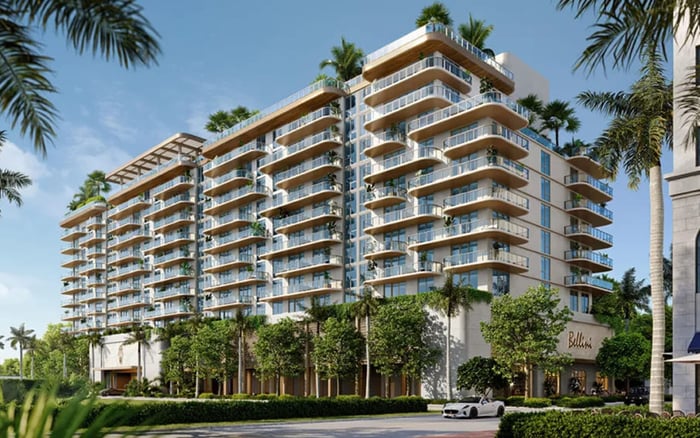
The project comprises 102 residences across 12 stories. Homes range from 1,453 to 8,808 square feet, making floor-plan analysis essential. An intimate cocktail gathering may work elegantly in one layout, while a seated dinner with service staff could require substantially more circulation, staging and back-of-house space.
For frequent hosts, entertaining capacity is a combination of space, service and permission.
The clearest stated capacity applies to the show kitchen, configured for private dinners of up to 25 guests. Buyers should not treat that number as either a universal allowance or a building-wide restriction. It concerns one shared amenity in a particular setup, not gatherings inside every private residence.
Ask whether 25 guests represents a hard occupancy ceiling, a standard seated configuration or an illustrative arrangement. The distinction matters. A host planning chef-led dinners may consider 25 seated guests generous, while an owner envisioning larger receptions will need to determine whether another shared room, an outdoor garden area or the private residence itself can lawfully and operationally accommodate the occasion.
No formal building-wide guest cap is disclosed for owner-hosted events inside residences. Nor is it specified whether advance notice, association approval, additional insurance, security staffing or vendor registration will apply. Until the controlling documents are reviewed, silence should not be interpreted as unrestricted hosting rights.
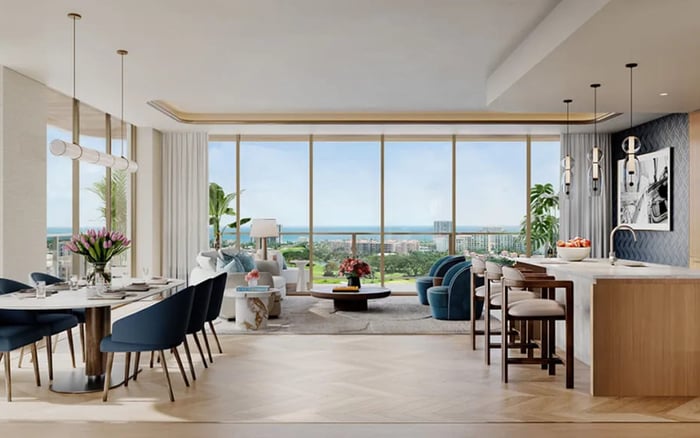
Square footage alone is an incomplete measure. A frequent host should study the relationship among the kitchen, dining area, living room, terrace, powder rooms and service paths. Consider where a chef would stage, how servers would circulate, where coats and floral deliveries would go, and whether guests could move comfortably without entering private bedroom areas.
Request dimensioned plans for the exact residence under consideration. Test them against realistic formats: a 10-person seated dinner, a 20-person wine evening or a larger standing reception. Furniture placement, door swings and kitchen work zones can materially change usable capacity. If outdoor entertaining is important, confirm the rules governing terrace music, furniture, cooking equipment and event end times rather than assuming private outdoor space carries unlimited discretion.
Buyers comparing other Boca Raton options, including Alina Residences Boca Raton and Glass House Boca Raton, should apply the same plan-specific test. Different ownership formats can produce markedly different hosting experiences within the same market.
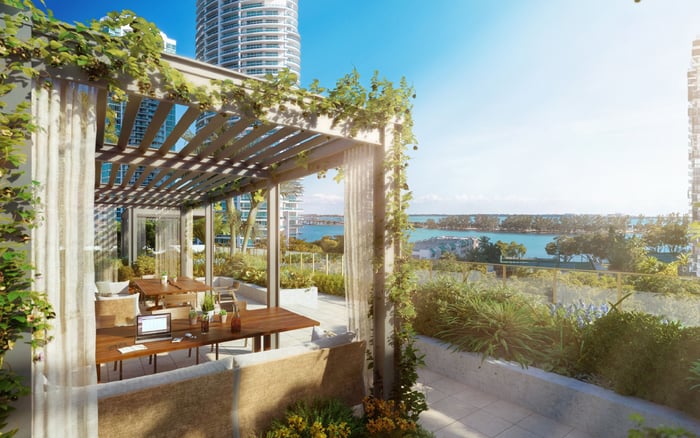
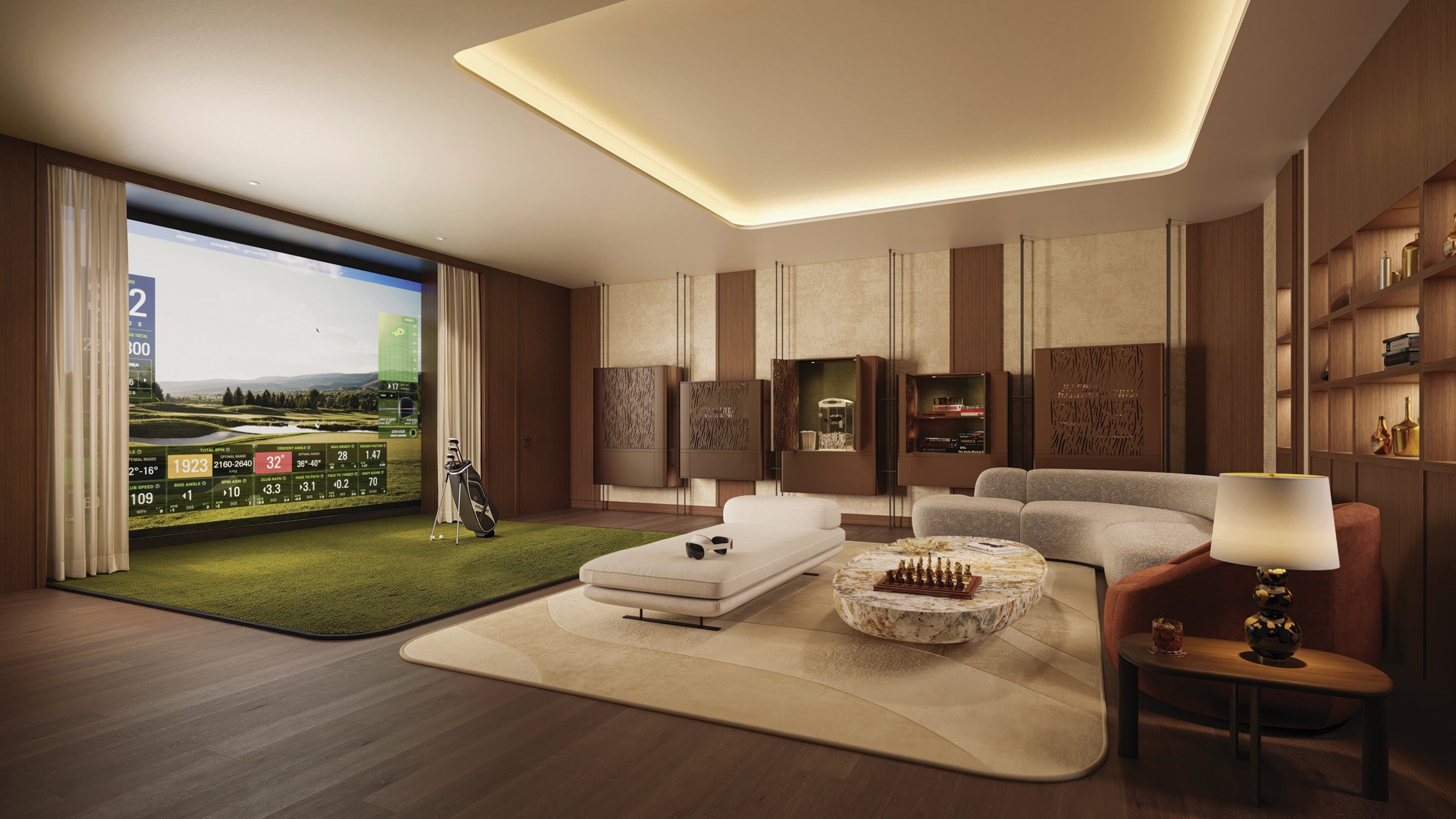
The amenity program is strongly oriented toward gathering. It includes a private wine lounge with personal storage and a tasting room; a residents-only clubroom and game room; a theater-style screening room; business and meeting rooms; and outdoor garden areas. A private dining room and wine cellar are also among the resident spaces.
These venues may allow an owner to preserve privacy at home, separate service activity from family space and select a room suited to the occasion. Their value, however, depends on access. Obtain written details on reservation priority, booking windows, blackout dates, cancellation terms, cleaning charges, staffing requirements and food-and-beverage minimums. Also ask whether an owner may reserve more than one room for a single event and whether setup and breakdown time count against the booking period.
A smaller building can still generate competition for its most desirable entertaining spaces during holidays and peak weekends. Confirm whether reservations are first-come, allocated by lottery or subject to frequency limits. For a pre-construction buyer evaluating a new project, these operating details can be as important as the finish schedule.
In-residence dining, access to hotel catering and private-chef availability form part of the hospitality proposition. These offerings could materially simplify entertaining, particularly for owners who prefer a coordinated service experience. They should nevertheless be treated as services to verify, not automatic entitlements.
Ask whether catering and private-chef bookings are guaranteed, subject to hotel availability or restricted on high-demand dates. Confirm menus, minimum spends, gratuities, delivery charges, staffing ratios and cancellation fees, as well as whether charges can be placed on the owner's hotel signing account. Signing privileges may not cover every event service.
The same analysis applies across branded residences. A buyer considering Mr. C Residences Boca Raton may wish to compare not merely amenity names, but the enforceable scope and cost of hospitality access. The refined lifestyle promise is most valuable when service pathways are clear before the first invitation is sent.
Frequent hosts should determine whether outside caterers, private chefs, bartenders, musicians, florists and rental-equipment providers are permitted. If so, ask about certificates of insurance, registration deadlines, approved-vendor requirements, security escorts and service-elevator reservations. Clarify loading locations and delivery hours, particularly for rentals, flowers, wine and specialty equipment.
Guest logistics deserve equal scrutiny. Confirm parking capacity and validation, arrival registration, elevator access, lobby check-in, security lists and procedures for drivers. Ask whether larger events require additional security personnel and who bears that cost. Review noise limits, music policies and event end times for both residences and shared spaces.
These details distinguish nominal capacity from workable capacity. A room may physically accommodate the desired gathering, yet loading constraints, elevator controls or staffing rules can determine whether the event remains graceful in practice.
The condominium declaration, rules and regulations, shared-use agreements and hotel-service terms should govern the purchase analysis. Request current drafts and have qualified counsel identify provisions covering private gatherings, common-area reservations, guests, vendors, insurance, noise, damage deposits and the association's authority to amend operating rules.
Club membership is mandatory for unit owners and carries additional dues, fees and costs. Buyers should determine which hospitality privileges depend on that membership, how charges may change and whether event-related services are priced separately. Build a realistic annual hosting budget that includes venue fees, cleaning, food and beverage, staffing, security, insurance and gratuities.
The goal is not to eliminate spontaneity. It is to know which occasions can unfold at home, which belong in a shared venue and which require hotel coordination. With those answers documented, buyers can assess whether the residence supports both private life and the cadence of entertaining they expect.
For discreet guidance on evaluating South Florida residences for a hosting-focused lifestyle, connect with MILLION.
If branded residences are on your mind — as a home or as an allocation — we would be glad to share what we are seeing, privately.
Begin a quiet conversationNo formal building-wide cap for owner-hosted events inside private residences is publicly disclosed. The controlling condominium documents should be reviewed for applicable limits.
It refers to a show kitchen described as configured for private dinners of up to 25 guests. It does not establish a universal limit for private residences.
Residences are described as ranging from 1,453 to 8,808 square feet. Practical hosting capacity will therefore vary considerably by floor plan.
Access to hotel catering and in-residence dining is promoted. Buyers should confirm availability, pricing, minimums and booking terms in writing.
Private-chef availability for events is promoted, but public information does not establish guaranteed access, included costs or booking priority.
Identified spaces include a show kitchen, wine lounge, tasting room, private dining room, clubroom, screening room, meeting rooms and outdoor garden areas.
Public information does not specify the rules for outside caterers, chefs, bartenders, musicians, florists or rental companies. Buyers should verify insurance, registration and access requirements.
Public materials do not specify whether private events require advance notice or association approval. The declaration and rules should provide the controlling guidance.
No. Club membership is stated to be mandatory for unit owners and involves additional dues, fees and costs.
Review the condominium declaration, rules and regulations, shared-use agreements and hotel-service terms. These should govern event rights more directly than marketing descriptions.