A buyer-oriented comparison of Park Grove Coconut Grove and 2200 Brickell through the lens of full-time ownership, brand durability, condominium governance, and resale logic.
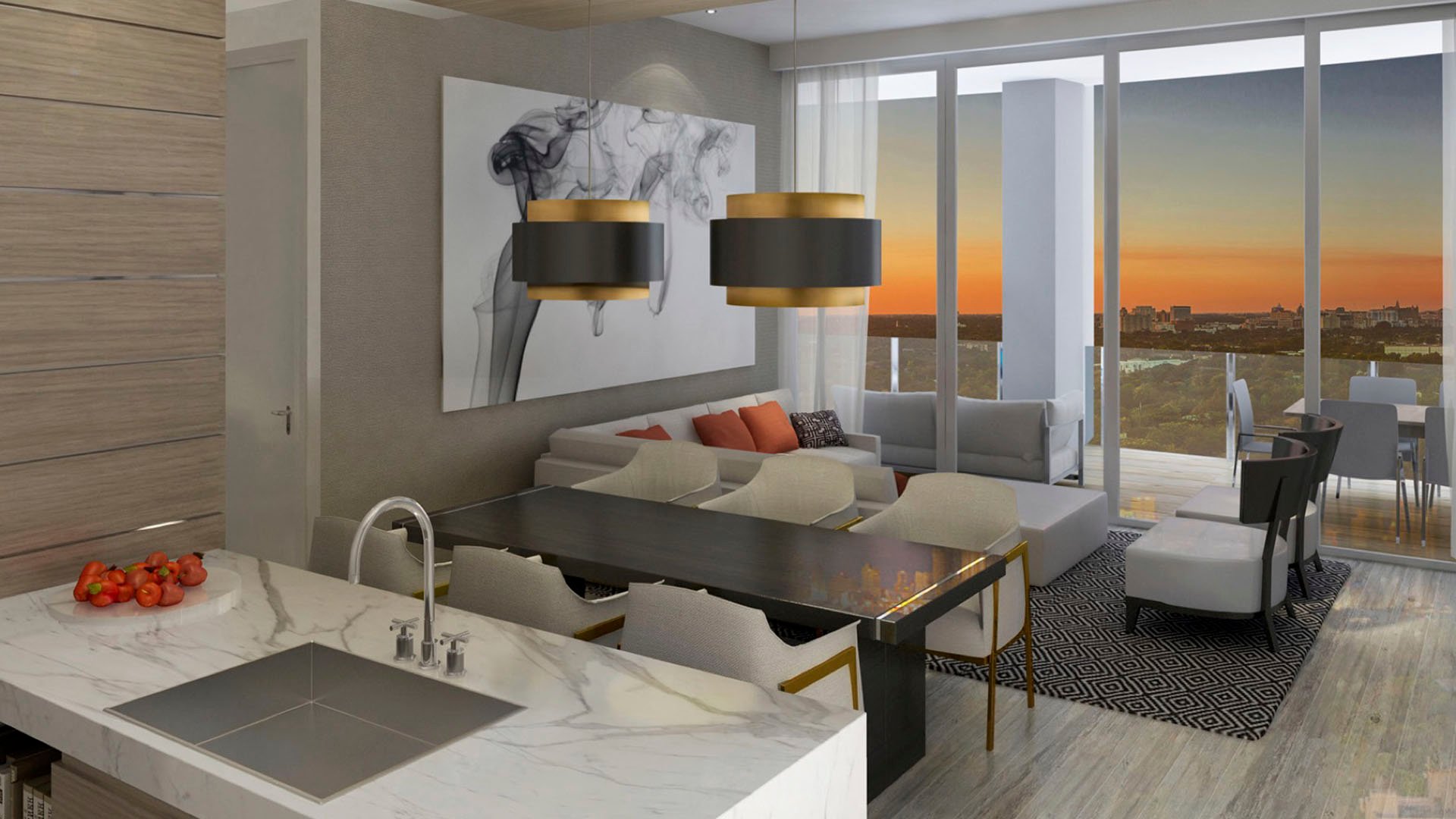
For a full-time luxury owner in Miami, the question is not simply which condominium makes the strongest first impression. The more consequential question is which ownership environment will remain satisfying on an ordinary Tuesday morning, credible to future buyers, and disciplined enough to protect the atmosphere that made the purchase compelling.
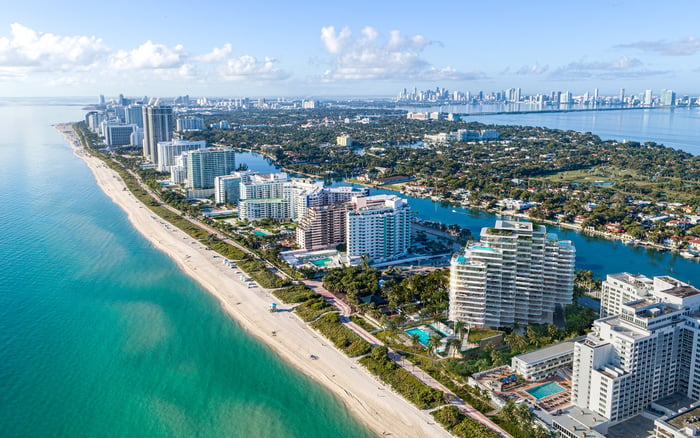
Park Grove Coconut Grove and 2200 Brickell occupy distinct positions on Miami’s high-end residential map. Park Grove Coconut Grove is rooted in the quieter, more residential character of Coconut Grove, where bay orientation, landscaping, privacy, and architectural identity shape the daily experience. 2200 Brickell speaks a more urban luxury language, where walkability, downtown connectivity, restaurants, offices, and access to Miami’s financial district carry meaningful value.
Neither proposition is inherently superior. They serve different full-time-owner temperaments. Park Grove is likely to resonate with buyers who prioritize discretion, calm surroundings, and a sense of retreat within the city. 2200 Brickell is more natural for owners who want the convenience premium of living close to the business core, along with the density and energy that come with that choice.
In luxury real estate, brand prestige can be seductive, but sophisticated buyers should treat it as a working asset, not a decorative label. A building’s reputation matters most when it translates into durable buyer demand, confidence in long-term condition, and a service culture that feels coherent over time.
At Park Grove, the prestige case is closely tied to Coconut Grove itself. The Grove’s lower-density, residential identity gives the property a setting materially different from Brickell’s vertical intensity. That neighborhood character is part of the ownership experience, particularly for residents who value privacy, greenery, bay-facing ambience, and a less transactional rhythm of daily life.
Park Grove’s design-led identity also supports its brand position. For buyers who see architecture as more than a façade, the property’s architectural prestige becomes part of the reason to own there. That does not mean every buyer will assign the same value to it. It means the resale audience may include people specifically seeking a Grove address with an elevated design narrative and a residential feel.
At 2200 Brickell, prestige operates differently. The brand logic is not about retreating from the city. It is about living inside Miami’s urban center with direct access to the convenience Brickell offers. For many full-time owners, that convenience is not secondary. It is the product.
For full-time owners, governance can matter as much as floor plan, finish, or view. A luxury condominium is not only a collection of private residences. It is a shared operating environment, and its long-term value depends on rules, maintenance culture, reserves, service consistency, common-area condition, and the tone of ownership.
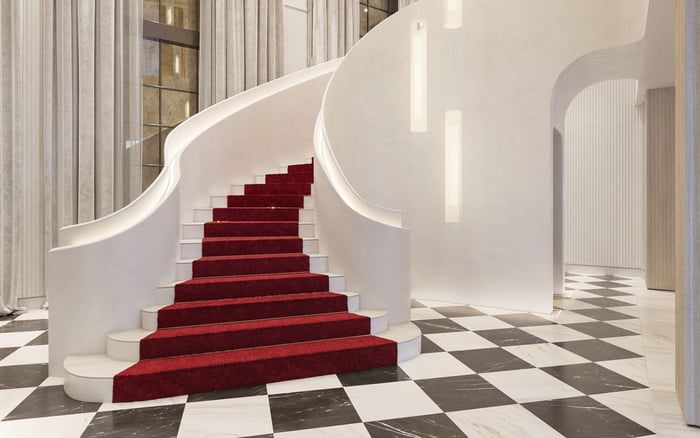
This is especially important in buildings that must balance prestige with daily use. A glamorous lobby loses authority if the common areas feel tired. An amenity program loses value if service standards drift. A refined residential atmosphere can weaken if rental policy, guest access, or owner conduct are not managed with discipline.
At Park Grove, governance should be evaluated against the property’s promise of privacy, calm, landscaping, views, and residential discretion. The more a buyer is paying for serenity, the more important it becomes that the building’s rules and operating culture protect that serenity.
At 2200 Brickell, governance should be evaluated through the lens of urban intensity. A centrally located luxury building will naturally attract owners who value access and activity. The question is whether the association culture can preserve comfort, security, and service consistency while operating in a denser environment.
For both properties, the most important documents are not marketing pieces. Serious buyers should review condominium rules, budget priorities, reserve posture, rental policy, and evidence of maintenance discipline before treating prestige as permanent.
Resale analysis should begin with the identity of the future buyer. Park Grove’s resale logic is grounded in scarcity, neighborhood prestige, architectural identity, and owner-occupant desirability. The buyer pool is likely to care about the Grove’s residential character and the property’s bay-oriented lifestyle. In that context, the value argument depends on whether the building continues to represent a rare and desirable expression of Coconut Grove luxury.
2200 Brickell’s resale logic is different. Brickell benefits from depth, visibility, and constant relevance as Miami’s core business district. Buyers who need walkability, office proximity, restaurant access, and downtown connectivity will continue to consider the area for full-time living. At the same time, Brickell’s broader supply pipeline and density should remain part of the analysis. A convenience premium can be powerful, but it competes within a larger urban field.
This distinction matters for investment thinking as well. Park Grove may appeal to buyers seeking scarcity and a quieter ownership profile. 2200 Brickell may appeal to buyers who value liquidity, practical urban demand, and the ability to live close to the center of business and dining. Resale is not a single metric. It is the market’s future judgment on how well a building’s promise holds up.
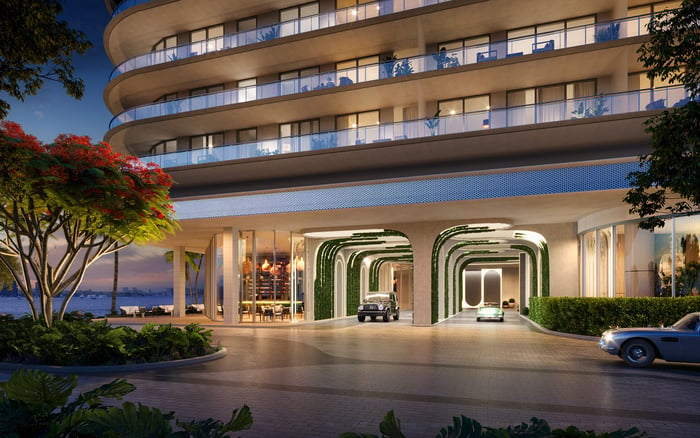
A full-time owner experiences a building differently than a seasonal visitor. The questions become more intimate. Is the arrival sequence calming or congested? Are common areas maintained with consistency? Does the building culture feel residential or transient? Are the views, landscaping, and privacy at Park Grove central to the buyer’s daily happiness? Is the walkability and connectivity of 2200 Brickell worth the trade-off of a denser environment?
Waterview considerations may be more emotionally central at Park Grove, where the bay-oriented setting helps frame the property’s identity. In Brickell, the premium often shifts toward convenience, movement, and access. Both can be luxurious, but they produce different lives.
Buyers relocating from other major cities often underestimate this distinction. They may compare amenity lists, finishes, or brand language, while the more important decision is whether they want a quieter residential enclave or a connected urban address. That choice will influence not only daily satisfaction, but also the type of buyer who may want the residence later.
Before choosing between Park Grove and 2200 Brickell, full-time owners should ask practical questions. What is the building’s posture on rentals and guest use? How are common areas maintained? Does the association culture support long-term ownership rather than short-term spectacle? Are reserves and budgets treated with seriousness? Does the building’s environment match the buyer’s actual life, not just the life imagined during a sales presentation?
Park Grove will make the most sense for owners who want Coconut Grove prestige, privacy, architectural identity, and a more residential pace. 2200 Brickell will make the most sense for owners who want urban access, walkability, and proximity to Miami’s financial and dining core. The more precisely a buyer defines the desired daily rhythm, the easier the decision becomes.
In Miami’s luxury market, the best purchase is rarely the loudest. It is the one whose brand, governance, and resale logic reinforce each other over years of ownership.
Is Park Grove Coconut Grove better for full-time owners than 2200 Brickell? It depends on lifestyle. Park Grove favors privacy and residential calm, while 2200 Brickell favors urban access and convenience.
What is the main ownership difference between the two buildings? Park Grove is a Grove-oriented luxury decision, while 2200 Brickell is an urban Brickell luxury decision.
Why does governance matter in a luxury condominium? Governance affects service consistency, common-area condition, rental policy, reserves, and the long-term confidence of resale buyers.
Does brand prestige guarantee stronger resale? No. Prestige supports resale only when it creates durable demand, credible service, and confidence in long-term property condition.
Who is the natural buyer for Park Grove? Park Grove suits buyers who value bay orientation, privacy, landscaping, architectural identity, and Coconut Grove’s calmer residential character.
Who is the natural buyer for 2200 Brickell? 2200 Brickell suits buyers who value walkability, downtown connectivity, restaurants, offices, and proximity to Miami’s financial district.
Should buyers compare amenity lists first? Amenities matter, but full-time owners should first compare daily livability, building culture, governance discipline, and neighborhood rhythm.
How should buyers think about Brickell density? Density can support convenience and liquidity, but buyers should weigh it against privacy, traffic, and the broader supply environment.
How should buyers think about Park Grove scarcity? Scarcity is most meaningful when paired with neighborhood prestige, architectural identity, and sustained owner-occupant desirability.
What should a buyer review before making an offer? Review rules, budgets, reserves, rental policies, maintenance culture, and whether the building’s actual rhythm fits full-time living.
For a tailored shortlist and next-step guidance, connect with MILLION.
If branded residences are on your mind — as a home or as an allocation — we would be glad to share what we are seeing, privately.
Begin a quiet conversation