For an art collector financing a Florida residence with a securities-backed line, homestead planning depends on title, permanent residency, prior tax-roll records and timely applications, not the source of purchase funds.
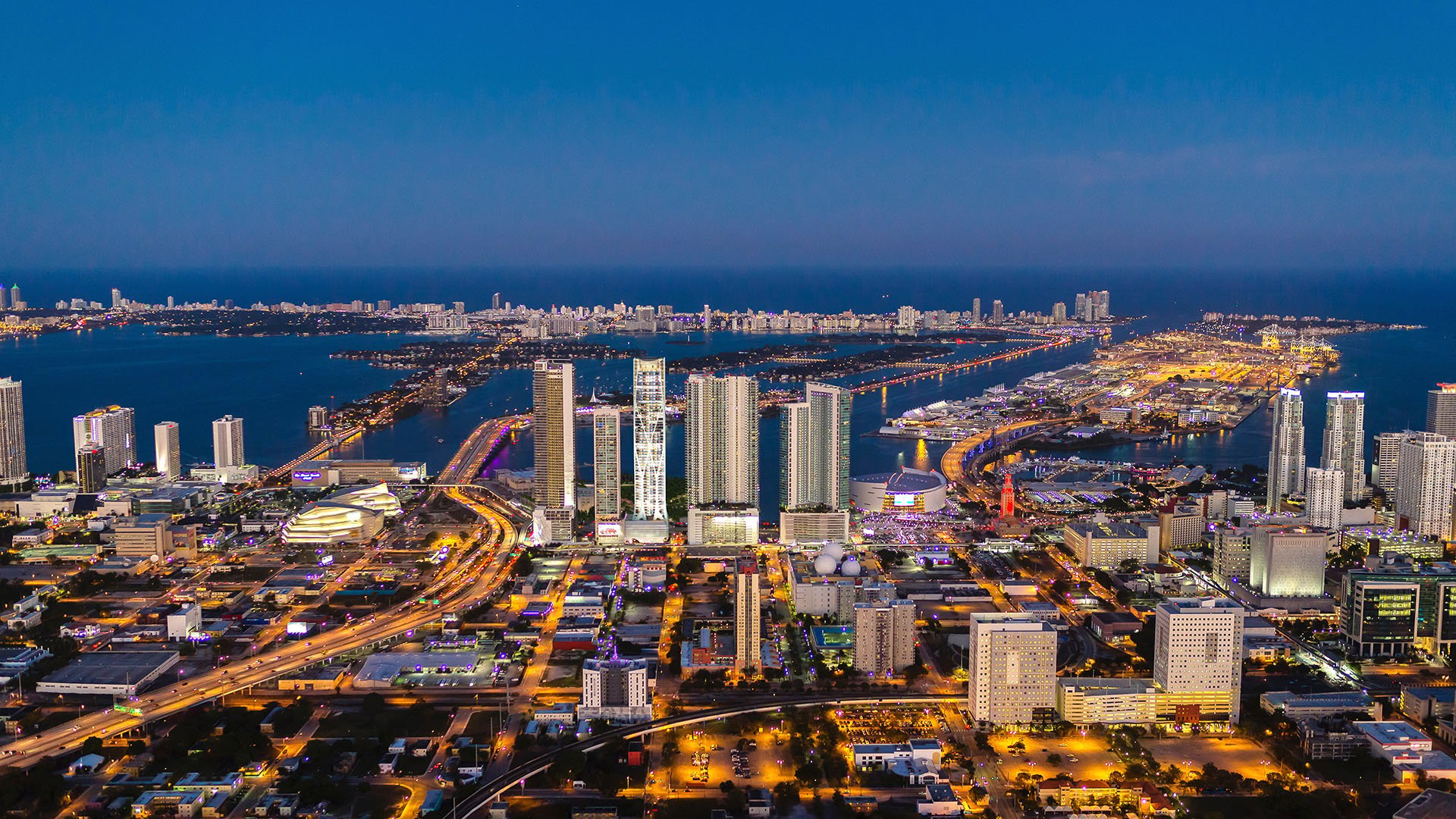
For an art collector acquiring a South Florida residence, the purchase involves parallel decisions: where to live, how to hold title and how to fund the acquisition. A securities-backed line belongs to the financing discussion. Florida homestead eligibility and Save Our Homes portability require a separate analysis of ownership, residency and prior assessment history.
That distinction matters whether the search centers on Brickell and Una Residences Brickell or another address. Funding the purchase through a securities-backed credit line does not itself establish homestead eligibility. In Miami-Dade, the applicant must have legal or equitable title and permanent residence on the property as of January 1.
Start with three separate questions: Does the new residence qualify for homestead exemption? Who is entitled to the former home's assessment difference? What ownership percentages should appear on the new deed? A single closing does not make those questions interchangeable.
Save Our Homes, often shortened to SOH, portability transfers all or part of the difference between a former Florida homestead's market value and assessed value to a new Florida homestead, generally up to $500,000. It is an assessment benefit-not a cash credit toward the purchase price or a guaranteed dollar-for-dollar reduction in the tax bill.
The homestead exemption itself is not transferable. The buyer must establish eligibility and apply for the exemption on the new property, while separately requesting the eligible assessment difference from the former property.
For a collector considering Miami Beach and The Perigon Miami Beach, the distinction is between a residence selected for personal enjoyment and one that meets the permanent-residence requirements. Portability planning should follow the intended use and qualifying ownership, not the appeal of the address alone.
Do not treat the $500,000 ceiling as an automatic entitlement. Determining the transferable amount requires a review of the former homestead's assessment history and the applicable eligibility and allocation rules.
The critical dates extend beyond the contract and closing. January 1 is the eligibility checkpoint for title and permanent residence. March 1 is the general deadline for filing the new homestead and portability applications for the year in which the benefits are sought.
Miami-Dade requires the new property to qualify for homestead within the applicable three-assessment-year portability window. That period runs from January 1 of the last qualifying homestead tax year, not three years from the sale date. A sale anniversary is therefore the wrong starting point for the calendar.
Before committing to an acquisition schedule, identify the last qualifying homestead tax year and confirm the intended new qualifying year with the property appraiser. Align that review with the expected closing and the actual establishment of permanent residence. Signing a purchase agreement does not substitute for satisfying January 1 requirements.
Miami-Dade permits late exemption applications beginning March 2 through the deadline stated on the applicable August TRIM notice. Verify that year's deadline rather than assuming a fixed September date, and confirm how any late portability request must be handled. Late filing should not be the acquisition plan.
The former property's records are central to the ownership discussion. Assemble its tax-roll history, market and assessed values, ownership records, ownership shares, last qualifying homestead year and abandonment timing. These records distinguish the property's total assessment difference from the portion potentially available to a particular applicant.
Portability generally requires the applicant to have been an owner of both the former homestead and the new homestead. In Miami-Dade, all owners who received homestead exemption on the former property generally must abandon that homestead before its SOH benefit can be transferred.
This warrants particular attention when one co-owner intends to move while another remains. The departing owner should not assume that a new acquisition immediately releases the former property's benefit or that the entire assessment difference belongs to that individual.
For a move to Coconut Grove, including consideration of Four Seasons Residences Coconut Grove, review the former home's records before settling the new deed. The sequence is straightforward: establish the historical entitlement, then evaluate the proposed ownership structure.
Miami-Dade allocates portability from a jointly owned former homestead according to the owners' shares in that former property. The percentages written into a new deed do not automatically determine each owner's share of the former property's portability benefit.
Eligible spouses may designate their shares of an abandoned jointly owned homestead's assessment difference through Form DR-501TS, Designation of Ownership Shares of Abandoned Homestead. Miami-Dade's spousal designation procedure applies to spouses who were married on the date that jointly owned homestead was abandoned. Confirm eligibility before incorporating a proposed designation into the financial plan.
A different issue arises when owners of separate former Florida homesteads establish one jointly owned new homestead. Miami-Dade permits the highest eligible assessment limitation from the former properties; do not assume both benefits can be added together.
Co-owners must also apply for their own individual exemptions. An exemption is not shared or transferred between them. These rules underscore why purchase contributions, new ownership percentages and prior portability entitlements require distinct review.
If the proposed title is held in a trust, Miami-Dade requires a copy of the trust document with the homestead application. Trust ownership does not resolve eligibility by itself; the applicable title and permanent-residence requirements still govern.
For a Surfside acquisition such as Ocean House Surfside, reconcile the intended title arrangement with Florida counsel and the property appraiser before closing. Keep the funding discussion with the lender separate from the determination of homestead and portability eligibility.
The new homestead application is Form DR-501. Portability requires Form DR-501T, Transfer of Homestead Assessment Difference. Even if the homestead application has already been submitted, the separate portability application remains necessary. Where an eligible spousal designation is intended, address DR-501TS as well.
Before closing, reconcile the former tax roll, qualifying year, owners, ownership shares and abandonment timing with the proposed deed and any spousal designation. Confirm January 1 eligibility, the applicable portability window and the filing calendar. Do not infer lender-specific title requirements or credit terms from the homestead rules.
For the collector, disciplined structuring means coordinating the residence, financing and tax applications without assuming one establishes the others. The strongest plan is documented and settled before the deed is finalized-not reconstructed after a deadline.
Explore South Florida residences with MILLION.
If branded residences are on your mind — as a home or as an allocation — we would be glad to share what we are seeing, privately.
Begin a quiet conversationNo. In Miami-Dade, legal or equitable title and permanent residence on the property as of January 1 remain required regardless of the purchase funding.
It transfers all or part of the eligible difference between a former homestead's market value and assessed value, generally up to $500,000. It does not transfer the homestead exemption itself.
The period runs from January 1 of the last qualifying homestead tax year, not from the sale date. The new homestead must qualify within the applicable three-assessment-year window.
The general deadline is March 1 of the year for which the homestead and portability benefits are sought.
Form DR-501 is the new homestead application, and Form DR-501T requests portability. Submitting the homestead application alone does not request the SOH transfer.
Review the former property's tax-roll history, market and assessed values, ownership records, ownership shares, last qualifying homestead year and abandonment timing.
That should not be assumed. Miami-Dade allocates the benefit according to former ownership shares, and all owners who received homestead exemption generally must abandon the former homestead before transfer.
Eligible spouses may use Form DR-501TS to designate shares of an abandoned jointly owned homestead's assessment difference. Miami-Dade's procedure applies to spouses married on the abandonment date.
Do not assume they can. When owners of separate former homesteads establish one jointly owned new homestead, Miami-Dade permits the highest eligible assessment limitation from the former properties.
Miami-Dade requires a copy of the trust document with the homestead application. Trust ownership does not replace the applicable title and permanent-residence requirements.