For a seasonal South Florida buyer, ownership structure cannot substitute for permanent-residence eligibility. A disciplined acquisition plan separates homestead qualification, portability deadlines, prior exemption records, and each owner’s share before anticipating property-tax benefits.
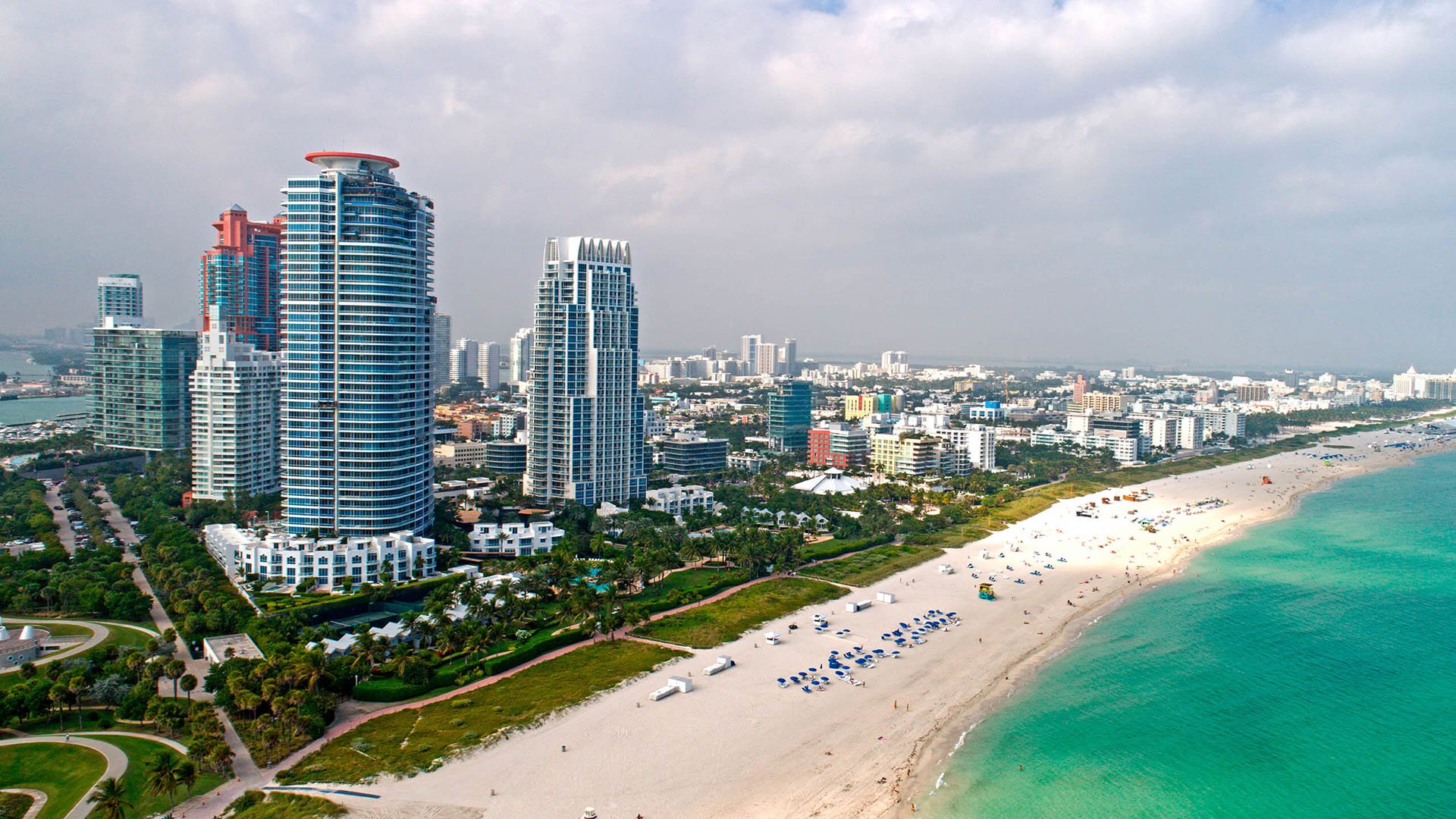
A South Florida residence can be central to a family's lifestyle without becoming its permanent home. That distinction matters before a buyer chooses the names on the deed or assumes a former property's tax advantages will follow the purchase. A vacation or seasonal home generally does not qualify for Florida homestead exemption when the owner's permanent residence remains elsewhere. Title structure alone does not establish eligibility.
For a buyer considering The Perigon Miami Beach, the first question is not which ownership arrangement appears most efficient. It is whether the Miami Beach residence will remain a seasonal retreat or become a qualifying permanent residence. That distinction should guide tax assumptions from the outset, not surface after closing.
Florida homestead exemption also qualifies a property for the Save Our Homes assessment limitation. Portability is a separate step: it transfers an accumulated homestead assessment difference to a new qualifying Florida homestead. It does not transfer the former property's taxable value or tax bill.
Homestead eligibility depends on qualifying ownership and permanent-residence facts as of January 1. Closing a purchase does not, by itself, establish those facts. Buyers should distinguish the date they acquire title from the date the property qualifies as their permanent residence.
The portability window follows its own calendar. The new homestead generally must be established within three years of January 1 of the year the former homestead was abandoned-not three years after the sale closes. For example, abandoning a former homestead in March 2024 generally requires establishing the new homestead by January 1, 2027. Treating the sale anniversary as the deadline can create a consequential planning error.
The general portability application deadline is March 1 of the tax year for which the benefit is requested. This is a filing deadline, not an extension of the January 1 eligibility requirement. A buyer evaluating Una Residences Brickell should map both dates against the anticipated closing and residence transition. A Brickell acquisition should not be budgeted on assumed portability until the qualifying timeline is clear.
Portability is not automatic. The owner must establish homestead on the new Florida property and apply to transfer the prior Save Our Homes benefit. The application ordinarily uses Form DR-501T, Transfer of Homestead Assessment Difference, alongside the new homestead application, or the county's online portability process.
Applications and supporting documentation go to the property appraiser in the county where the new property is located. For a move between counties, the distinction matters: the destination county handles the new application, while records from the former property remain essential to establishing the prior benefit.
Late filing and late establishment are different issues. In Miami-Dade, an owner who established the new homestead within the required window may be able to apply for portability later, subject to applicable requirements. That possibility is not an open-ended extension. If a deadline has passed, confirm the applicable requirements promptly rather than assuming a delayed application can cure an untimely residence transition.
The prior property's records are the foundation of a portability review. Eligibility generally requires the applicant to have received homestead exemption on the former property on January 1 of one of the three years preceding the new homestead. Prior ownership is not the same as prior qualification.
Before estimating a transferable benefit, obtain the former property's exemption and assessment records, its deed, the ownership percentages, and evidence of each owner's qualification. Review who owned the home, who permanently occupied it, and who received the exemption. These questions are related, but not interchangeable.
Spouses who jointly owned and both permanently occupied the former homestead may each be treated as having received its exemption even if only one spouse originally applied. For joint tenants with survivorship rights and tenants in common, portability eligibility generally follows the owners who qualified for and received the prior exemption. A single name on an application should neither end the review nor justify assuming every co-owner qualified.
Florida law permits qualifying homestead title to be held by the entireties, jointly, or in common with other owners. These forms are not interchangeable for exemption and portability purposes. Estates held by the entireties or jointly with survivorship rights are expressly distinguished from ordinary ownership-share limits in the homestead statute.
For tenants in common, the exemption is generally apportioned among qualifying resident owners according to their ownership interests. A nonresident tenant-in-common owner generally does not qualify for that owner's share. Adding a non-homesteading owner in this form can also reduce Save Our Homes protection to the existing qualifying owner's percentage interest.
For a family considering Four Seasons Hotel & Private Residences Fort Lauderdale, the key questions are who will permanently reside in the property and how the proposed deed reflects ownership. A Fort Lauderdale residence shared among relatives should not be modeled as though every name on title carries the same tax eligibility.
A tenant-in-common owner's portable assessment difference is generally tied to that owner's proportionate interest in the former property. For spouses and joint tenants with survivorship rights, calculations may divide the homestead portion among qualifying owners unless title specifies another ownership share. Spouses abandoning jointly titled property may designate portability shares through a departmental form filed with the applicable property appraiser. Combined shares assigned to recipients cannot exceed 100%.
A change in ownership generally triggers reassessment at just value on the following January 1, subject to statutory exceptions. Adding a spouse or family member therefore warrants a specific review-not a blanket assumption that the full exemption or assessment protection will remain intact. Ownership form, prior qualification, and applicable exceptions matter.
The same discipline applies when evaluating Alba West Palm Beach. For a West Palm Beach purchase, build the acquisition plan around the intended residence status, documented prior benefit, and proposed ownership shares. Have counsel review title choices and confirm eligibility and filing requirements with the appropriate property appraiser before relying on anticipated benefits.
The practical sequence is straightforward: establish whether the purchase will be seasonal or permanent, verify the January 1 timeline, reconstruct the former homestead, review the deed, and submit the required applications. Ownership structuring should support the family's actual circumstances, not attempt to replace them.
For a discreet approach to your next South Florida residence, explore MILLION.
If branded residences are on your mind — as a home or as an allocation — we would be glad to share what we are seeing, privately.
Begin a quiet conversationGenerally not if the owner's permanent residence remains elsewhere. Title structure alone does not establish homestead eligibility.
Qualifying ownership and permanent-residence facts must exist as of January 1. Closing on a property does not, by itself, establish eligibility.
It transfers the accumulated homestead assessment difference. It does not transfer the former property's taxable value or tax bill.
No. The owner must establish homestead on the new Florida property and apply to transfer the prior benefit.
It generally runs from January 1 of the year the former homestead was abandoned, not from the sale closing. Abandonment in March 2024 generally requires establishing the new homestead by January 1, 2027.
The general deadline is March 1 of the requested tax year. Submit Form DR-501T with the new homestead application, or use the county's online process, through the property appraiser where the new home is located.
Obtain exemption and assessment records, the deed, ownership percentages, and evidence of each owner's qualification. These records help establish eligibility and the share of the benefit that may transfer.
Spouses who jointly owned and both permanently occupied the former homestead may each be treated as having received the exemption. The prior ownership and residence facts remain important.
Yes. Adding a non-homesteading tenant-in-common owner can limit Save Our Homes protection to the qualifying owner's percentage interest, and exemption shares generally follow qualifying resident ownership interests.
Late filing is distinct from late establishment. In Miami-Dade, later portability filing may be available when the new homestead was established within the required window, subject to applicable requirements.