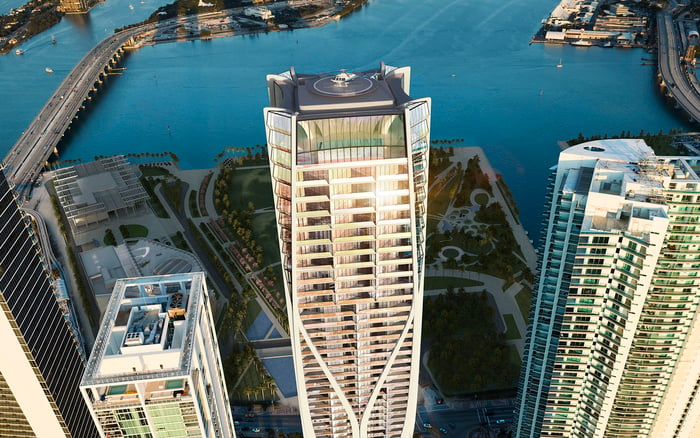
For foreign buyers of South Florida new-construction condos, ownership structure and financing timing belong in the same conversation. A disciplined plan aligns borrower eligibility, lock duration, extension exposure, appraisal requirements, and liquidity before closing approaches.
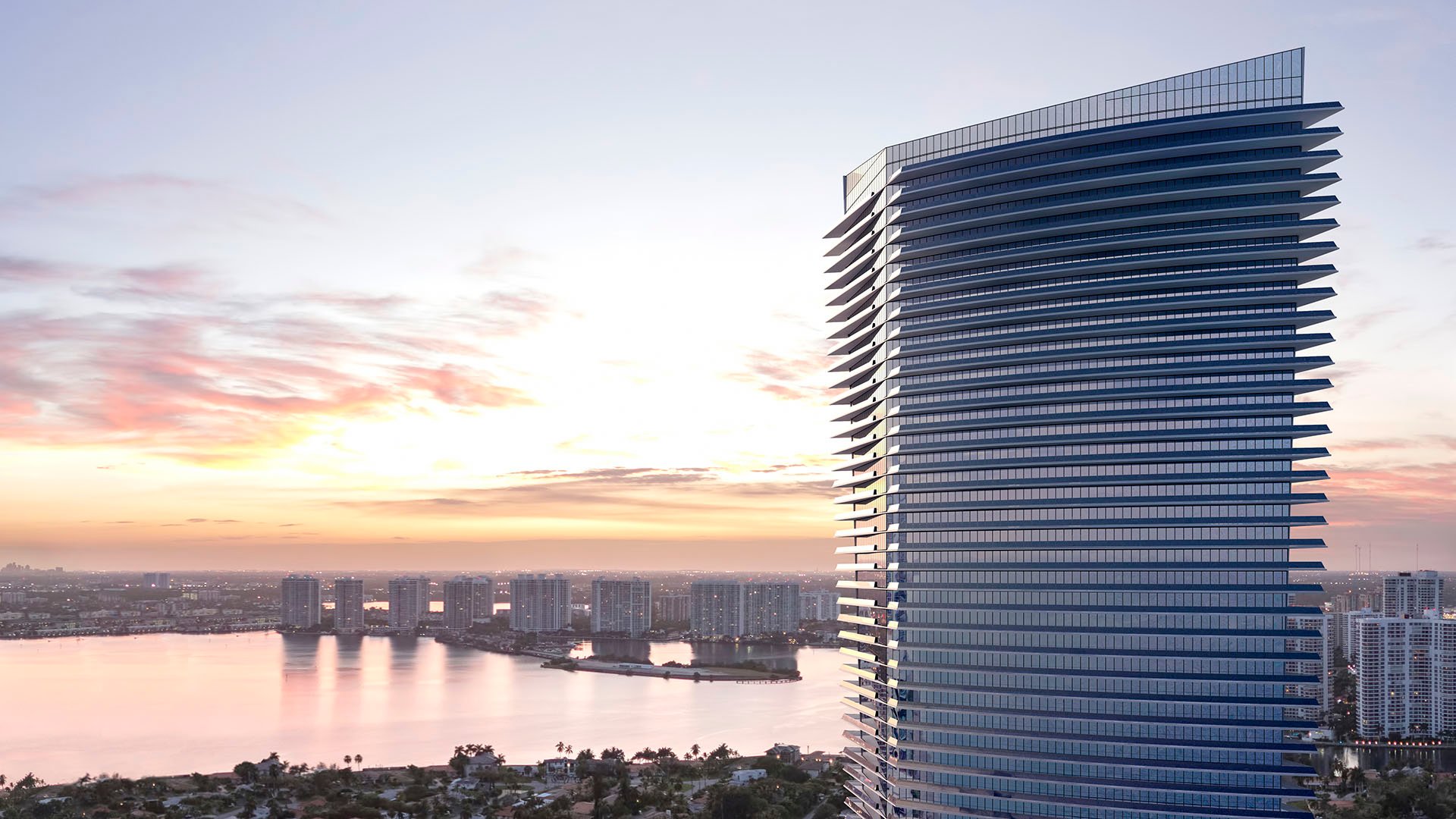
For a foreign buyer acquiring a South Florida new-construction condominium, financing decisions begin before rate selection. The intended borrower, the name on title, and the lender’s acceptance of that arrangement should be resolved together. A carefully selected residence deserves an equally considered acquisition plan, particularly when completion timing remains uncertain.
An attractive loan discussed for an individual should not be assumed to remain available if the buyer later proposes an LLC or foreign company. Before underwriting and rate locking, ask the lender to confirm the proposed borrower and title structure in writing.
That confirmation does not establish which structure is preferable for tax, estate-planning, or liability purposes. Those decisions require individualized legal and tax advice. The objective is coordination: advisers should evaluate ownership while the lender confirms whether the proposed arrangement fits its program. Title should not be left as a detail to finalize just before closing.
Ask the lender which lock durations are available for the proposed transaction and when each protected period begins. Do not assume that an extended new-construction lock provides protection across a multiyear pre-construction purchase timeline.
For a buyer considering The Residences at 1428 Brickell, the question is not simply whether today’s rate is appealing. It is whether the lender offers an eligible lock that can realistically cover the anticipated closing window.
Treat an estimated delivery date as a planning input, not assurance that the loan will close before the lock expires. Ask what evidence of construction progress, completion, and readiness to close the lender needs before recommending a lock start date.
The same caution applies to program availability. A general new-construction lock offering should not be assumed to cover foreign-national borrowers, entity borrowers, or every condominium project. Project references here provide shopping context, not confirmation of financing eligibility, delivery timing, or lender approval.
When comparing longer lock options, ask whether an upfront charge applies and how it is calculated. Evaluate the protected interest rate, any upfront payment, and the treatment of that payment separately.
Request a transaction-specific quote showing each available duration and its total dollar cost. Avoid treating a general pricing example as a commitment or an assured option for a foreign buyer.
Request written terms specifying when the fee is due, whether it is refundable, and what happens if the transaction does not close within the protected period. Ask whether changing the ownership structure affects the lock or requires a fresh eligibility review. A longer lock is useful only if its conditions fit the transaction.
If construction delays push closing beyond the lock’s expiration, ask whether an extension is available and what it would cost. Compare more than the quoted charge: consider the additional days purchased and the maximum extension available.
Request the calculation method and total dollar cost for each extension option. Do not assume the lowest charge purchases the longest extension or that the same terms apply across lenders.
A buyer evaluating The Perigon Miami Beach can use this framework to compare financing proposals without making assumptions about the project’s schedule. Ask the lender to model an on-time closing and a delayed closing using its actual extension terms.
The written proposal should address extension limits, the deadline to request additional time, and what happens once available extensions are exhausted. Do not budget as though extensions are unlimited or assume that a construction delay automatically makes another party responsible for the expense. Establish any payment responsibility in writing.
A rate lock addresses interest-rate exposure; it does not resolve every condition required to close. Treat appraisal requirements as a separate item in the financing plan rather than assuming that extending the lock also satisfies the lender’s property review.
Ask whether the lender anticipates an appraisal update, a new appraisal, or further completion-related review if the schedule changes. Obtain the applicable timing requirements and charges directly rather than assuming a universal appraisal-validity period or a standard update fee.
For a residence under consideration at Bentley Residences Sunny Isles, the same discipline applies: confirm the lender’s requirements for the particular transaction. A Sunny Isles Beach address does not substitute for borrower, property, and program eligibility checks.
The buyer’s planning calendar should track both lock expiration and appraisal requirements. If the expected closing date changes, ask the lender to reassess both immediately rather than discussing only the interest rate.
Ask the lender to confirm the maximum loan-to-value ratio and required down payment for the intended borrower, ownership structure, and condominium. Do not treat advertised financing terms as an entitlement or a promise for a particular residence.
Build the acquisition budget around the lender’s confirmed terms, then allow separately for lock charges, possible extensions, and appraisal-related expenses. Keeping those categories distinct makes the cost of delay easier to assess without confusing it with the down payment.
Ask whether the proposed lock includes a float-down option if market rates fall. If offered, confirm when it can be exercised, what conditions apply, and whether it is available for the intended borrower and ownership structure. Treat it as a contractual feature to verify, not an automatic benefit of purchasing a longer lock.
Before paying for rate protection, assemble one written financing plan covering borrower and title eligibility, lock expiration, extension pricing and limits, fee refundability, float-down conditions, and appraisal requirements. Revisit it whenever the anticipated closing date or intended ownership arrangement changes.
The aim is not to eliminate construction uncertainty. It is to understand which risks are covered, which remain unresolved, and how much flexibility the buyer should retain. Ownership advice, lender approval, and completion planning should inform one another throughout the acquisition.
For a considered approach to South Florida’s residential opportunities, explore MILLION.
If branded residences are on your mind — as a home or as an allocation — we would be glad to share what we are seeing, privately.
Begin a quiet conversationConfirm the intended borrower and title structure with the lender before underwriting and locking. Do not assume that terms discussed for individual ownership also apply to an entity.
There is no universal recommendation here for tax, estate-planning, or liability purposes. Obtain individualized legal and tax advice alongside the lender’s eligibility confirmation.
Ask which durations are available for the specific transaction and when each protected period begins. Compare those terms with a realistic closing window.
No such protection should be assumed. Confirm the expiration date and any extension rights in the lender’s written terms.
Request a transaction-specific quote showing each available duration, any upfront charge, and its total dollar cost. Confirm payment timing and refundability separately from the protected interest rate.
Request the fee calculation, total dollar cost, and number of additional days purchased. Also confirm extension limits and the deadline to request more time.
Do not assume that a lock extension satisfies appraisal requirements. Ask the lender whether a changed closing date requires an update, a new appraisal, or further completion-related review.
No universal fee or validity period should be assumed. Obtain the requirements and charges applicable to the specific loan from the lender.
Obtain the lender’s confirmed loan-to-value limit and down-payment requirement for the borrower, ownership structure, and condominium. Budget separately for closing costs and potential delay-related expenses.
Ask whether the proposed lock includes a float-down option. If offered, confirm its availability, timing, and eligibility conditions in writing.