
Choosing between private residential amenities and hotel-style service requires more than a lifestyle preference. Examine access rights, neighboring development potential, wind exposure, and terrace obligations to understand what ownership will actually feel like.
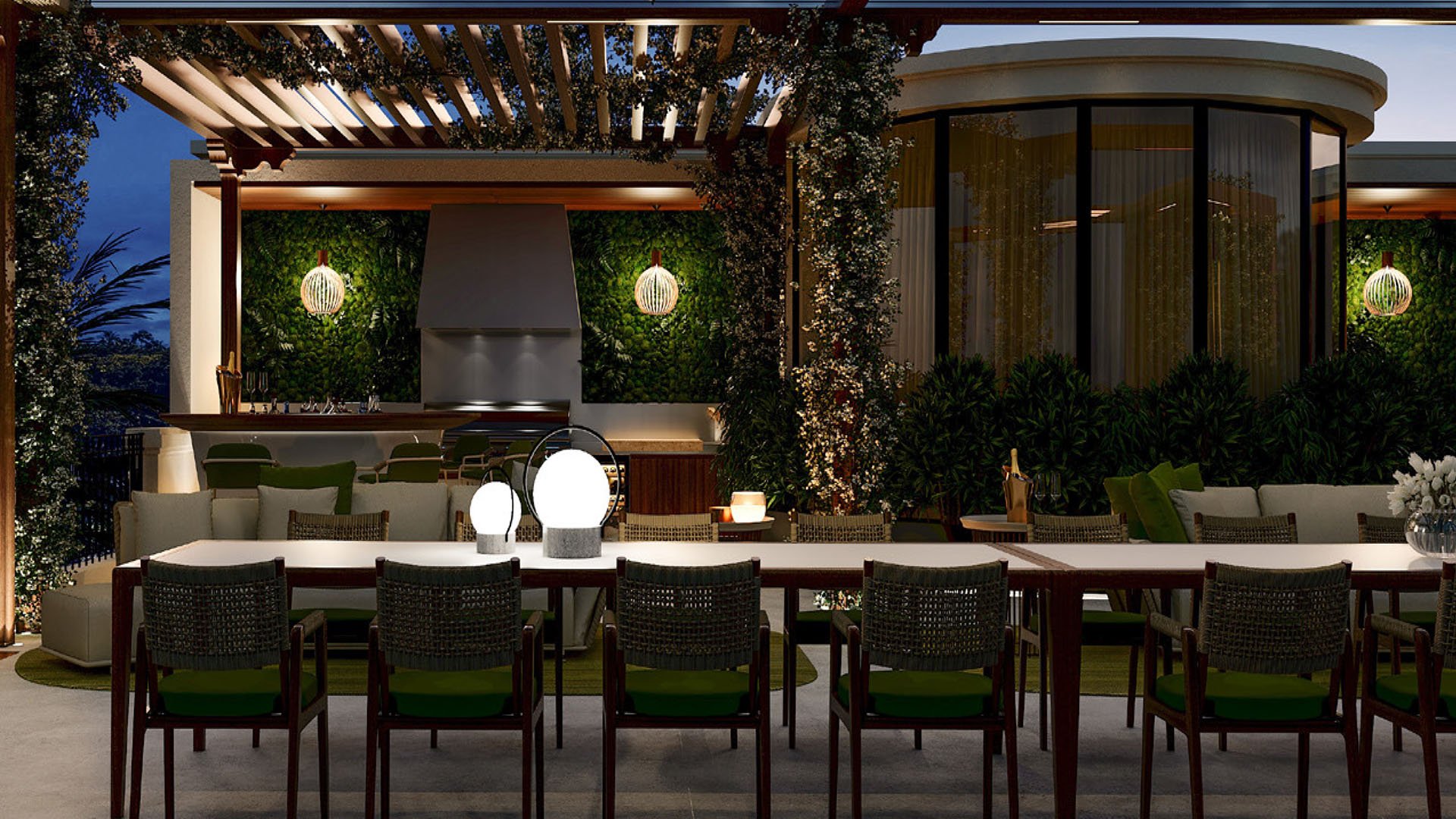
The most consequential luxury residence decisions often begin with an appealing contrast: the discretion of owner-only amenities or the convenience of a hotel-residential setting. Yet neither label answers the questions that shape daily life. Who shares the pool? What could rise across the street? Can the terrace comfortably accommodate dinner, and who maintains it?
For a South Florida buyer, these decisions are connected. A residence should support the way its owner intends to live, not merely deliver a compelling arrival experience. The meaningful comparison is between documented access, plausible future surroundings, and outdoor space suited to its intended use.
Begin with a personal brief: quiet mornings, frequent entertaining, seasonal occupancy, or service available without advance planning. Then test each residence against it. A longer amenity list is not automatically a better fit, and an owner-only designation does not, by itself, establish quietness.
Mixed hotel-residential properties can offer restaurants, spas, housekeeping, room service, and pools. The essential distinction is between services an owner may purchase and spaces an owner has the right to use privately. Hotel branding alone does not establish shared access, exclusive facilities, or rental eligibility.
When considering Four Seasons Hotel & Private Residences Fort Lauderdale, make access arrangements central to the review rather than inferring them from the name. Request the documents governing resident and guest privileges, then ask management to explain how those provisions work in practice.
Apply the same discipline to The Ritz-Carlton Residences® Miami Beach. A brand can frame expectations, but the purchase decision should rest on the particular residence's legal and operating arrangements.
Ask whether pool areas, fitness facilities, elevators, and arrival spaces are exclusive or shared. Clarify reservation priority, guest policies, service charges, and operating hours. Where possible, visit at different times. These are buyer checks, not assumptions about either property's operations: written privileges and personal observations answer different questions.
Some condo-hotel programs permit rental participation while an owner is away. Evaluate that possibility separately from the appeal of housekeeping or room service. Service access does not establish permission to rent, and permission to rent does not establish eligibility for a particular program.
Before allowing potential rental income to influence the purchase, request the applicable agreement. Confirm revenue splits, personal-use limits, blackout periods, and eligibility. Ask how the intended ownership calendar fits those terms, especially if personal visits are difficult to schedule far in advance.
The practical question is whether the program supports the owner's life. A residence selected primarily for personal enjoyment should not be evaluated as though unrestricted occupancy and rental participation were interchangeable benefits.
An existing low-rise neighbor is not evidence of a durable view. Zoning establishes permitted uses and development conditions, including height, area, open space, and setbacks. Today's building shows what is there-not necessarily what the parcel may accommodate.
For a buyer evaluating The Residences at 1428 Brickell, the useful exercise is a parcel-by-parcel review of relevant sightlines, not an assumption about any particular exposure. Extend the review across the immediate block and to the opposite side of the street rather than stopping at the adjoining lot.
Request current zoning, pending applications, approved plans, and future land-use designations. Have a qualified adviser translate these into potential building envelopes: where a structure could stand, how high it could extend, and how much of the outlook it could occupy.
Identify the portions of the outlook that matter most to you. Ask the adviser to examine the view from the living room and the intended terrace seating position rather than treating the entire panorama as one asset. An allowable envelope is a planning scenario, not a prediction that construction will occur.
For a residence within the City of Miami, ask a land-use professional whether the Live Local Act or other applicable provisions affect neighboring development potential. Request a parcel-specific explanation rather than relying on a general height comparison or assuming an exception applies.
Include setbacks, tower separation, floorplate limits, and adjacency restrictions in that review. Maximum height alone does not establish the shape or extent of a possible obstruction. Ask whether airport-related zoning restrictions apply to the parcels under consideration and how they affect the analysis.
Do not apply City of Miami guidance to Fort Lauderdale or another municipality without a separate jurisdictional review. When the outlook is central to a purchase, ask a land-use professional to distinguish existing entitlements, pending requests, and conditional possibilities. That distinction is more useful than a blanket assurance that a view is protected.
Structural-design wind velocities are not terrace-comfort ratings. They do not establish whether a particular outdoor space will feel pleasant for breakfast, reading, or an evening meal. Wind resistance and everyday enjoyment belong in separate parts of the purchase review.
When assessing The Perigon Miami Beach, keep the question specific to the residence and exposure under consideration. Request any available terrace-related design information, but do not substitute a general building description for an evaluation of the intended outdoor use.
Where access is possible, visit during windy conditions as well as on a calm day. Test the proposed seating arrangement and circulation space. Check whether chairs can pull back comfortably and whether the dining layout leaves a practical route to the doors. A single visit provides an observation, not a year-round comfort guarantee.
For a residence that cannot yet be visited, review the plans and ask what evidence supports expectations about outdoor usability. Keep wind comfort an unresolved due-diligence question until it can be assessed appropriately.
Request the declaration and applicable plans to establish terrace ownership, exclusive-use rights, maintenance obligations, and alteration restrictions. Ask who is responsible for drainage, waterproofing, repairs, and access for necessary work. Review available repair history and storm rules, including expectations for moving or securing outdoor furnishings.
Finally, compare the residences across four headings: amenity access, future outlook, outdoor usability, and ownership obligations. Keep documented rights separate from observations and unresolved questions. Neither a private residential setting nor a hotel-residential experience is inherently better; the stronger fit is the one whose verified terms support the owner's priorities.
Explore South Florida residences aligned with your priorities at MILLION.
If branded residences are on your mind — as a home or as an allocation — we would be glad to share what we are seeing, privately.
Begin a quiet conversationNo. An owner-only designation does not establish quietness; review guest policies and observe the spaces at different times where possible.
No. Resident-only and shared access must be verified through the property's governing and operating documents.
No. Rental permission and program eligibility require project-specific verification, including revenue splits, personal-use limits, and blackout periods.
No. The parcel's zoning and development rights may permit something different from its current building.
Review current zoning, pending applications, approved plans, and future land-use designations. Include the immediate block and opposite side of the street.
Ask a land-use professional whether its provisions apply to the neighboring parcels under review. Request a parcel-specific explanation of any effect on the potential building envelope.
No. Ask a land-use professional whether airport-related restrictions apply to each relevant parcel and how they affect its development potential.
No. Structural-design wind velocities do not measure whether a balcony is comfortable for everyday dining or lounging.
Where possible, visit in windy and calm conditions, test furniture fit, and review drainage, repair history, and storm rules. A single visit cannot establish year-round comfort.
Request the declaration and applicable plans to establish ownership, exclusive-use rights, maintenance obligations, and alteration restrictions.