A buyer-focused guide to verifying after-hours HVAC response, humidity monitoring, and cooling continuity at Turnberry Ocean Club, with practical document requests and inspection priorities.
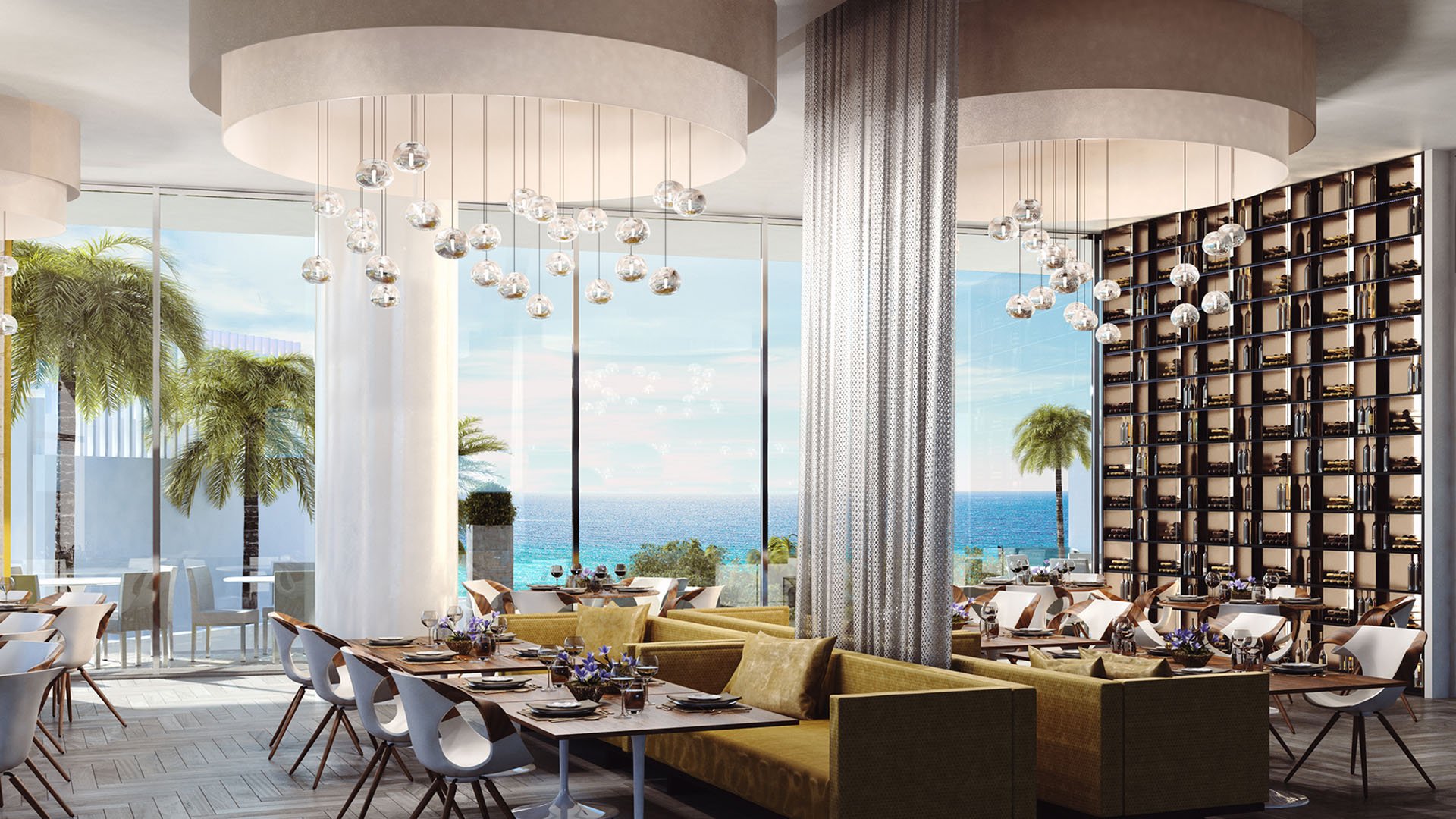
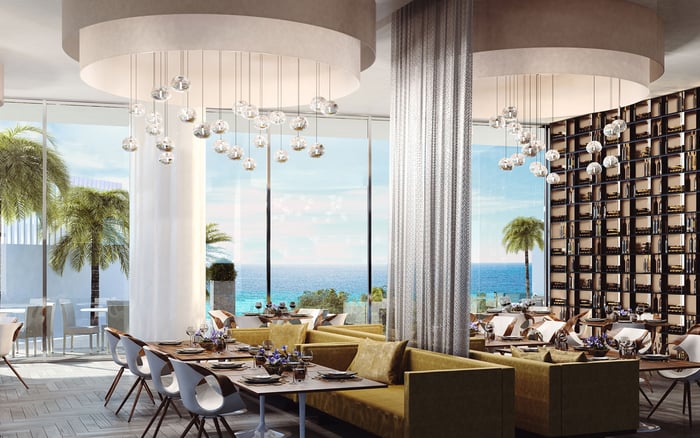
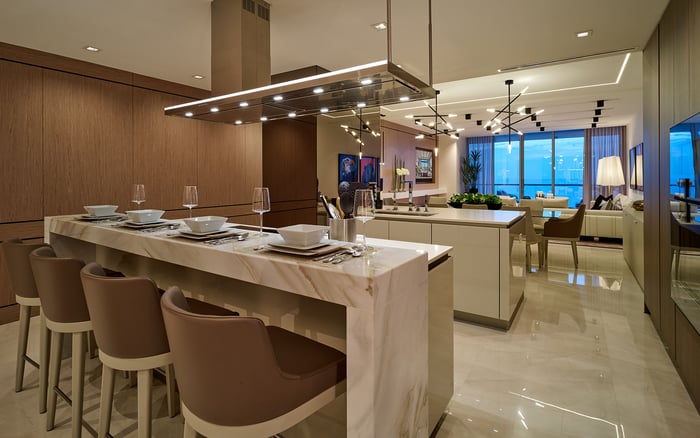
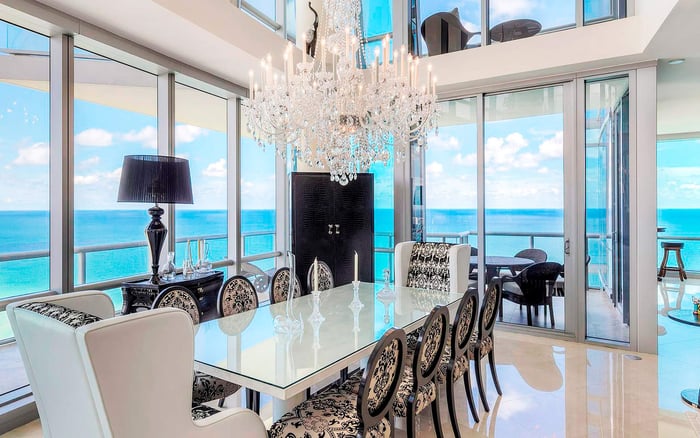
At Turnberry Ocean Club Sunny Isles, operational due diligence belongs alongside the architectural and lifestyle assessment. The property at 18501 Collins Avenue, Sunny Isles Beach, Florida 33160 offers more than 70,000 square feet of amenities across six dedicated levels, including wellness facilities, dining, pools, and resident services. Private, enclosed, air-conditioned garages add another conditioned environment to the ownership experience.
These features establish the breadth of the offering-not the mechanics of cooling continuity. For a buyer, the essential questions are precise: who responds when cooling fails after hours, who receives a humidity alarm while the residence is empty, and what remains operational when equipment fails?
After-hours HVAC coverage, automatic unit-level humidity alerts, and N+1 cooling redundancy remain unverified in publicly disclosed materials. That does not establish their absence. It identifies what buyers should confirm before purchase rather than infer from the level of service or finish.
Begin with an equipment schedule and as-built mechanical drawings for the residence and the systems serving it. Publicly disclosed residential specifications do not establish whether cooling relies on a central chilled-water plant, distributed refrigerant systems, packaged equipment, or another arrangement. A general description of central cooling cannot resolve that distinction.
Residence #1001 is described as having central cooling, central heat, and electric heat. Those categories do not establish building-wide cooling architecture, equipment capacity, zoning, or redundancy. Treat them as a starting point for questions, not an engineering specification.
Ask a qualified engineer to map the relationship between in-residence equipment and any shared infrastructure. The explanation should identify equipment locations, maintenance access, controls, and repair responsibilities. Request warranties and commissioning records alongside the drawings so the assessment addresses documented operation as well as intended design.
For buyers also considering Jade Signature Sunny Isles Beach, make the same document request rather than assume comparable mechanical arrangements. This is a common evaluation framework, not a claim that the properties share systems or service standards.
A 24/7 HVAC emergency contractor, guaranteed response time, and after-hours mechanical service agreement are not identified in publicly disclosed materials. The published sales telephone number and email address should not be treated as verified emergency-service contacts.
Request a written service protocol from management. It should distinguish receiving a call from dispatching a technician, and technician arrival from restoring cooling. A response commitment is most useful when its scope and exceptions are explicit.
The protocol should answer four practical questions:
Who receives the initial call, and which contractor is responsible for attending?
Who escalates an unanswered call overnight, on weekends, or during holidays?
Who can authorize repairs, and what spending limits apply without owner approval?
How can authorized personnel enter an unoccupied residence, and what temporary cooling options are permitted?
Ask how shared-system failures and unit-equipment failures are handled separately. Obtain escalation contacts and clarify how owners receive updates. For an absent owner, access and authorization deserve as much scrutiny as contractor availability: the plan should explain how a reported problem becomes an approved intervention.
Automatic high-temperature or high-humidity alerts from individual residences to management, security, or remote monitoring are not publicly confirmed. Neither are unit-level humidity targets, sensor locations, alarm thresholds, or condensate-overflow procedures.
Confirm whether temperature and relative humidity are monitored independently. Ask where sensors are installed, how their calibration is checked, and whether monitoring covers the rooms relevant to the residence's intended use. Have the engineer assess humidity room by room rather than treat a single thermostat display as the complete picture.
Document the alarm pathway from detection to action. Identify the first recipient, the acknowledgment procedure, the escalation recipient, and the person authorized to investigate. Ask specifically what happens overnight and when the owner cannot be reached.
Address power and communications interruptions separately. Confirm whether monitoring continues, whether lost connectivity triggers a notification, and how an unresolved alert is handled. Arrange any alarm demonstration with building engineering and obtain authorization in advance.
A buyer comparing Muse Residences Sunny Isles Beach should request the same evidence there. Compare documented monitoring and response arrangements rather than infer them from concierge service.
N+1 cooling redundancy and continued amenity cooling after equipment failure are not documented in the publicly disclosed amenity specifications. Do not reduce the inquiry to whether the building has backup equipment. Ask which components have backups, whether failed equipment can be isolated, and which cooling loads remain available afterward.
Request a component-by-component explanation that distinguishes equipment failure from utility-power loss. Ask what backup power, if any, serves the relevant equipment and controls. The evidence should identify the residences, amenity areas, and garages covered by each continuity arrangement-not imply that all conditioned spaces receive identical protection.
The air-conditioned garages warrant an explicit inquiry because their HVAC design, backup power, and emergency-service arrangements are not publicly specified. Include them in the request without assuming their systems connect to residential cooling.
Any proposed failure simulation or power-interruption test must be coordinated with building engineering and authorized before execution. If testing is not approved, ask the engineer to identify the documentation supporting the continuity assessment and the questions that remain unresolved.
Request service invoices, filter records, warranties, and the available history of leaks or comfort complaints. Responsibility for unit-filter maintenance is not established in publicly disclosed residential specifications. Nor are filter dimensions, MERV ratings, replacement intervals, or coil and drain-pan inspection schedules.
Clarify responsibility for each task and obtain the applicable maintenance requirements. Fresh-air operation also deserves attention: dedicated dehumidification, energy recovery, reheat, and humidity-based controls are not established by the disclosed specifications. Ask the engineer to determine what is installed and how it operates.
The inspection scope should include temperatures under load, room-by-room humidity, condensate drainage, sensor calibration, fresh-air operation, alarm delivery, and maintenance access. Request a written record that separates observed performance from items supported only by documents or representations.
The strongest outcome is a concise ownership file: a system description, maintenance responsibilities, emergency contacts, access instructions, repair authorization limits, and verified alarm procedures. Keep unresolved questions clearly identified rather than turn assurances into assumed capabilities.
Luxury ownership should include clarity about what happens when comfort is interrupted. At Turnberry Ocean Club, that clarity comes from confirming service, monitoring, and continuity as distinct operational commitments.
For a discreet perspective on South Florida residential ownership, explore MILLION.
If branded residences are on your mind — as a home or as an allocation — we would be glad to share what we are seeing, privately.
Begin a quiet conversationThe property is located at 18501 Collins Avenue, Sunny Isles Beach, Florida 33160.
A 24/7 HVAC contractor, guaranteed response time, and after-hours mechanical service agreement are not publicly confirmed. Request written details from management rather than assuming the service is absent.
The published telephone number and email address are sales contacts, not verified after-hours HVAC emergency contacts. Obtain a separate emergency contact and escalation protocol.
No. The central-cooling description for residence 1001 does not establish building-wide architecture, equipment capacity, zoning, or redundancy.
Automatic unit-level humidity alerts and their routing to management, security, or remote monitoring are not publicly confirmed. Verify sensor locations, thresholds, recipients, and escalation procedures.
N+1 cooling redundancy is not documented in publicly disclosed amenity specifications. Ask which components have backups and which cooling loads remain available after a failure.
Private, enclosed, air-conditioned garages are advertised, but their HVAC design, backup power, and emergency-service arrangements are not publicly specified.
Request equipment schedules, as-built drawings, commissioning records, warranties, service invoices, filter records, and available leak or comfort-complaint history.
The scope should include temperatures under load, room-by-room humidity, condensate drainage, sensor calibration, fresh-air operation, alarm delivery, and maintenance access.
No. Any failure simulation or power-interruption test should be coordinated with building engineering and authorized before execution.