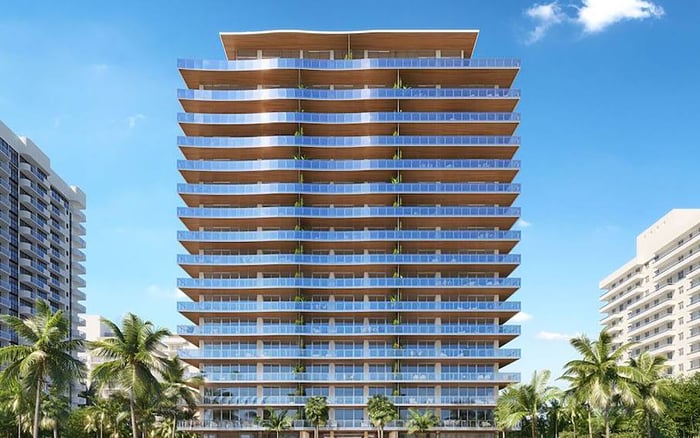
The right waterfront purchase begins with the building, not the horizon. Compare view permanence, property-specific flood exposure, ownership costs and comparable sales before deciding whether an ocean or bay outlook deserves the premium.
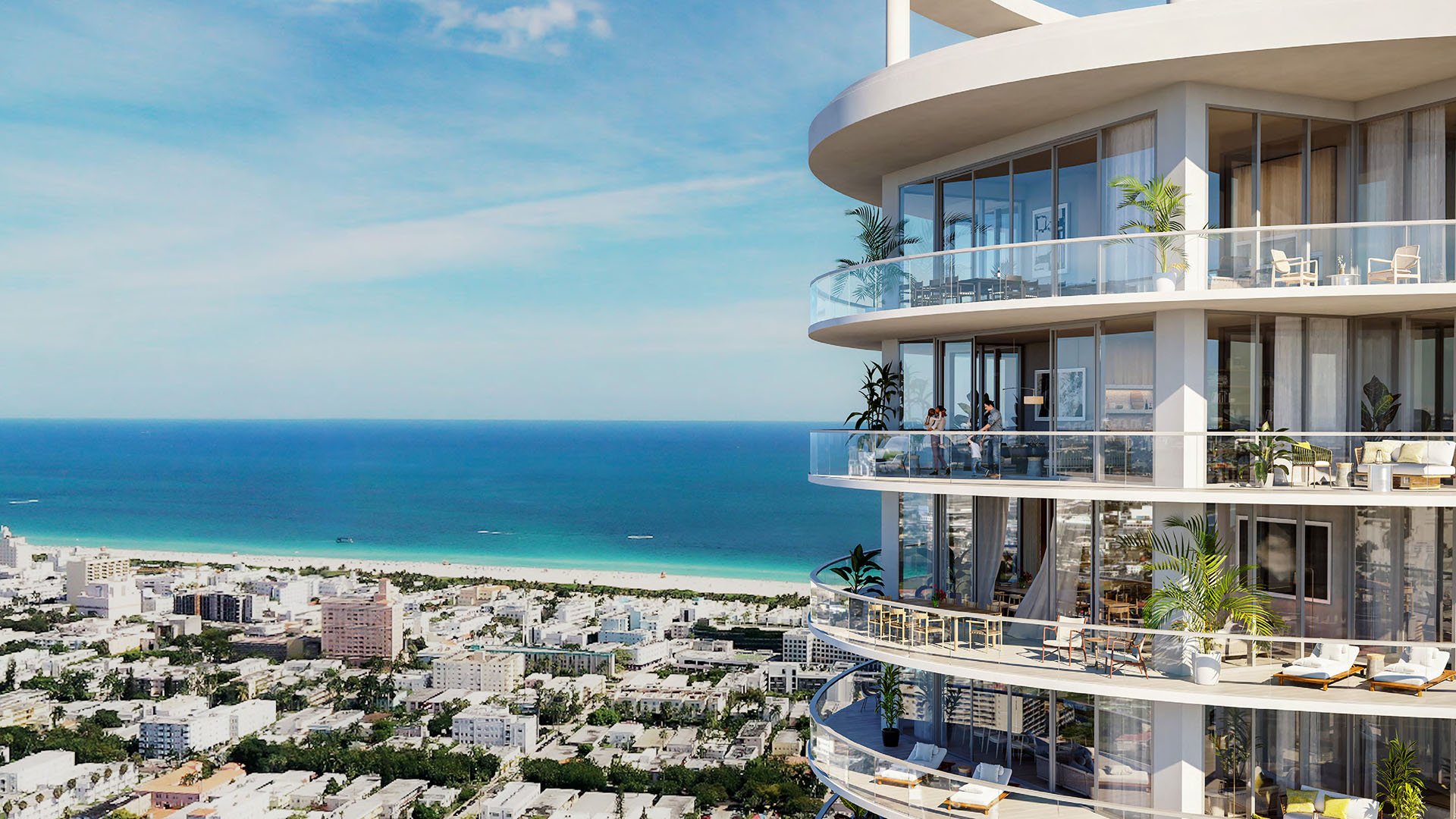
An ocean horizon and a bay panorama offer different visions of South Florida living. The purchase decision, however, should begin somewhere less picturesque: the building’s condition, the durability of its outlook and the financial obligations of ownership. A compelling view is a reason to investigate a residence, not a substitute for that investigation.
For luxury buyers, the question is not whether ocean views are universally superior to bay views. It is whether a particular residence delivers the setting you want without compromising building quality, resilience or financial discipline. The strongest choice is one whose pleasures remain persuasive after the documents have been reviewed.
Before comparing asking prices, establish what you are actually buying: direct waterfront positioning, a water view across intervening land, or an angled outlook from selected rooms. Those distinctions deserve separate consideration, not a single waterfront label. Decide, too, whether beach proximity or the view itself is the essential pleasure.
When comparing ocean-facing residences in Bal Harbour or South of Fifth, evaluate the precise exposure, surrounding parcels and building condition rather than relying on the waterfront label. Any claim of scarcity should be tested against the alternatives available in your search.
A premium measured against city views would not establish an ocean-versus-bay premium. Avoid applying a broad percentage automatically to a listing. Comparable sales for the specific building and exposure are more useful when evaluating an individual asking price.
For a Bal Harbour search that includes Rivage Bal Harbour, keep two questions separate: how scarce is the location, and how convincingly does the individual residence justify its price? A desirable address informs the valuation; it does not complete it.
Compare the bayfront and Intracoastal options within your budget on their own merits. Examine layouts, building conditions and ownership budgets rather than assuming that one waterfront category will offer better value.
A bay-view residence should not automatically be considered inexpensive, less exposed to flooding or a better investment. Those conclusions require property-specific evidence. Treat the bay as a distinct preference, not merely an alternative for buyers priced out of the oceanfront market.
A Brickell search including Una Residences Brickell should therefore begin with the same questions as an ocean-oriented search: which rooms capture the outlook, what interrupts it, and what supports the asking price? In Edgewater, apply the same discipline when considering Aria Reserve Miami. Neither a neighborhood name nor a project name establishes the quality of an individual unit’s view.
A current panorama is no guarantee of its future appearance. Before paying for an apparently permanent outlook, investigate neighboring parcels, zoning, height limits and proposed development. The question is what could occupy the space between the residence and the water, not simply what occupies it today.
If an outlook crosses a park or historic property, verify the applicable protections rather than assuming the view is legally protected. A reassuring setting still calls for investigation.
When comparing Miami Beach residences, including The Perigon Miami Beach, distinguish the project’s location from the individual residence’s exposure. Request unit-specific view information and examine the surrounding development context. Where possible, evaluate the outlook from the principal living spaces rather than relying on a single terrace photograph. A view should earn its premium through both present enjoyment and a carefully examined prospect of continuity.
Neither an oceanfront nor a bayfront label establishes a building’s flood exposure. Begin with the actual property’s flood-zone designation, while treating that classification as an input to diligence rather than a complete assessment of resilience or insurance cost.
Building elevation, the placement of mechanical equipment, garage design and elevation documentation also deserve examination. A residence high above the water does not remove the need to understand conditions affecting the building’s shared infrastructure.
Modern construction and stringent wind codes do not eliminate flood exposure or the need for separate coverage. Standard homeowner insurance does not cover flood damage; flood protection requires separate flood-insurance coverage. For a condominium purchase, ask qualified insurance advisers to explain the association’s coverage, the owner’s coverage, applicable deductibles and exclusions. Do not assume that a waterfront description answers any of those questions, or that one coastline necessarily produces a lower premium than another.
A view premium is paid at acquisition, but the building’s financial demands continue throughout ownership. Review the operating budget, reserves, inspection documentation, insurance arrangements and any disclosed assessments before deciding how much of your overall budget to allocate to the panorama.
Ask your advisers which inspection and financing requirements apply to the building and your purchase. Evaluate physical condition and financial obligations together rather than treating all waterfront condominiums as a single market.
The distinction also matters when interpreting market activity. Broad waterfront sales figures may include properties unlike the condominium you are considering. Confirm what a dataset measures before using it to support a valuation, then return to relevant comparable sales.
Begin with the building: condition, documentation, resilience and financial obligations. Next, assess the residence: layout, actual exposure and the vulnerability of its outlook to future development. Then test the asking price against comparable transactions. Only after those steps should the emotional preference between ocean and bay become decisive.
Choose the ocean when its setting is central to your enjoyment and the specific residence supports its premium. Choose the bay when that outlook and the available residence better suit your priorities. Neither choice requires defending a universal investment thesis. The objective is a home whose view remains a pleasure rather than a reason to overlook the fundamentals.
Explore South Florida residences with MILLION to refine your search around the waterfront setting and ownership priorities that matter to you.
If branded residences are on your mind — as a home or as an allocation — we would be glad to share what we are seeing, privately.
Begin a quiet conversationPrioritize building quality, view permanence, flood exposure and ownership costs first. Choose the outlook that best suits your preferences once the specific residence meets those standards.
No, those are different comparisons. Use relevant comparable sales to evaluate the specific ocean-view and bay-view residences under consideration.
Compare the alternatives available in the target location and budget. Scarcity should not replace a review of the residence’s exposure, condition and comparable sales.
No, value depends on the particular residence and its asking price. Compare layout, outlook, building condition and ownership costs rather than relying on the waterfront category.
Review neighboring parcels, zoning, height limits and proposed development. Verify any claimed protections affecting parks or historic properties in the sightline.
No such conclusion can be drawn from the waterfront label alone. Evaluate the specific address, building elevation, mechanical-equipment placement, garage design and relevant documentation.
Standard homeowner insurance does not cover flood damage; flood protection requires separate flood-insurance coverage. Condo buyers should have an adviser explain both association and individual coverage.
No, modern construction and stringent wind codes do not eliminate the need to assess flood exposure. Review the building’s resilience and insurance coverage separately.
Review the operating budget, reserves, inspection documentation, insurance arrangements and disclosed assessments. These help put the view premium in the context of ongoing ownership obligations.
Not on their own, because the figures may include properties unlike the residence being considered. Confirm what the data covers and prioritize relevant comparable sales.