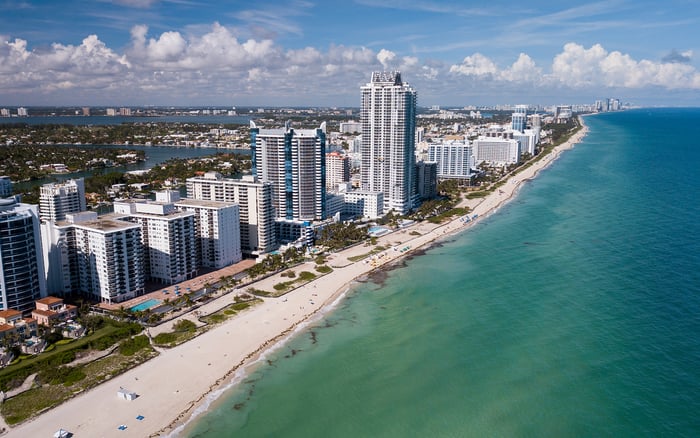
A discreet buyer’s framework for Toronto residents evaluating South Beach waterfront property, with emphasis on ownership, building diligence, insurance, renovation, liquidity, and cross-border planning.

For a buyer arriving from Toronto, a South Beach waterfront purchase should begin with structure, not décor. Before making an offer, determine whether the residence will serve as a primary home, a second home, or an asset shared among family members. That decision can shape the questions posed to legal, tax, estate, and insurance advisers on both sides of the border.
Before signing a contract, ask counsel to compare personal ownership with any proposed trust, company, or other structure. The review should address privacy, succession, financing, a future sale, and the practical movement of funds. Residency intentions and property ownership are distinct planning matters, and both warrant coordinated Canadian and Florida advice tailored to the buyer.
A flawless interior does not eliminate building-level risk. Treat the unit and the condominium as two separate acquisitions. For the residence, review title, boundaries, assigned spaces, storage, alterations, fixtures, water-intrusion history, mechanical systems, windows, terraces, and any open permits. For the building, request governing documents, financial statements, budgets, insurance materials, meeting records, reserve information, pending work, litigation disclosures, and available engineering documentation.
The objective is not merely to collect files. It is to establish responsibility for each component, identify required approvals, and determine which costs could pass to owners. Have the appropriate attorney, inspector, engineer, insurance adviser, and financial professional interpret the documents within their respective disciplines.
For readers who use buyer’s guides as an initial orientation, the essential next step is to turn every broad consideration into a property-specific question in writing.
Waterfront is not a singular experience. A buyer may prioritize direct water outlooks, beach proximity, boating access, privacy, sunset orientation, or a quieter residential setting. Establish that hierarchy before touring, then test each property against it at different times of day.
Distinguish an oceanfront preference from a general water view. Ask precisely what is visible from the principal rooms, how the outlook changes from seated height, and whether adjacent parcels or common areas affect privacy. Review access routes, the arrival sequence, guest circulation, service access, parking, and the transition from residence to water.
In Miami Beach, evaluate micro-location through the lens of the buyer’s actual routine. A search label such as South of Fifth should never replace close scrutiny of the specific building, exposure, street approach, and intended pattern of use.
A shortlist may include contrasting options, but the comparison should remain disciplined. When considering Apogee South Beach and Continuum on South Beach, request the same categories of documents and apply the same questions to each. A consistent process makes meaningful differences easier to identify.
The same principle applies when reviewing The Ritz-Carlton Residences® South Beach or Setai Residences Miami Beach. A familiar name may shape expectations, but the decision should still rest on the exact residence, contractual rights, operating framework, financial obligations, and services relevant to the property.
Create a comparison sheet covering usable interior layout, outdoor space, views, privacy, condition, parking, storage, pet rules, guest policies, leasing restrictions, renovation procedures, staffing, security, amenity access, monthly charges, and contemplated capital work. Allow room for qualitative judgments, particularly the arrival experience, acoustics, elevator privacy, and ease of daily living.
The acquisition price is only one line in the ownership model. Ask advisers to prepare a property-specific schedule of closing expenses and recurring obligations. Include association charges, property taxes, insurance, financing costs where applicable, utilities, maintenance, staffing, professional services, and a prudent allowance for interior repairs or future capital calls.
For a Toronto buyer, currency should also form part of the scenario analysis. Rather than rely on a single exchange rate, ask a qualified adviser to illustrate several funding and carrying-cost cases. The purpose is not to forecast markets, but to understand how the household budget responds to different conditions and timing choices.
Confirm the source, path, and documentation of purchase funds early. If financing is contemplated, align lender requirements with the contract calendar before deadlines become restrictive.
Insurance diligence should begin before the offer becomes binding, not after the inspection. Request quotes for the exact unit and intended use, then review deductibles, exclusions, coverage limits, personal property, improvements, liability, temporary accommodation, and any requirements imposed by a lender or condominium.
Coordinate the unit policy with the building’s coverage so potential gaps can be identified and discussed. Ask who insures interior upgrades, windows, doors, terraces, and other boundary components. An inspector or engineer can assess physical condition; an insurance professional can explain whether and how a particular risk may be covered.
Waterfront ownership also calls for close review of drainage, moisture, corrosion, exterior openings, balcony conditions, mechanical equipment, and prior repairs. The appropriate scope depends on the specific residence and building, so qualified professionals should expand generic checklists accordingly.
Luxury buyers often plan immediate customization. Before committing, obtain the alteration agreement and review design requirements, contractor standards, work hours, deposits, insurance certificates, elevator use, deliveries, permitted materials, sound-control standards, and seasonal restrictions. Confirm that the proposed work is permissible and whether approvals are required from both the association and government authorities.
Consider resale even when the intended hold is long. Evaluate whether the plan, view, floor, condition, parking, and ownership costs are likely to appeal to a future buyer with similar standards. Optionality also encompasses the ability to hold without renting, renovate without undue friction, and transfer the property within an estate plan.
A composed closing is the product of early coordination. Maintain one schedule for contract dates, deposits, inspections, association review, financing, insurance, title work, the final walkthrough, funds transfer, and document execution. Each adviser should know the deadlines and who is responsible for every deliverable.
Should a Toronto buyer choose an ownership structure before making an offer? Ideally, the options should be reviewed early with Canadian and Florida legal and tax advisers, as the appropriate structure depends on personal circumstances.
Is a condominium inspection enough? No. Treat the unit inspection and the building-document review as separate workstreams, with specialists interpreting matters within their expertise.
What financial documents should a buyer request? Request the available budget, financial statements, reserve information, assessment details, and records concerning contemplated capital work.
How should waterfront views be evaluated? Visit at different times and assess the outlook from principal rooms, terraces, and seated positions rather than relying solely on photography.
When should insurance be investigated? Begin before contractual deadlines expire so the exact residence, intended occupancy, coverage, exclusions, and deductibles can be reviewed.
Should currency movement be part of the budget? A cross-border adviser can model multiple funding and carrying-cost scenarios without relying on a single exchange-rate assumption.
What should be checked before planning a renovation? Review association rules, approval procedures, contractor standards, deposits, work hours, delivery logistics, permits, and insurance requirements.
Do leasing rules matter if the buyer will not rent? Yes. Restrictions can affect future flexibility and may influence how a later purchaser evaluates the residence.
How can privacy be assessed during a tour? Examine elevator access, sightlines, neighboring terraces, service circulation, window exposure, the arrival sequence, and guest procedures.
What should happen immediately before closing? Complete the final walkthrough, confirm the agreed property condition, verify required documents, and follow secure instructions for transferring funds.
If you'd like a private walkthrough and a curated shortlist, connect with MILLION.
If branded residences are on your mind — as a home or as an allocation — we would be glad to share what we are seeing, privately.
Begin a quiet conversation