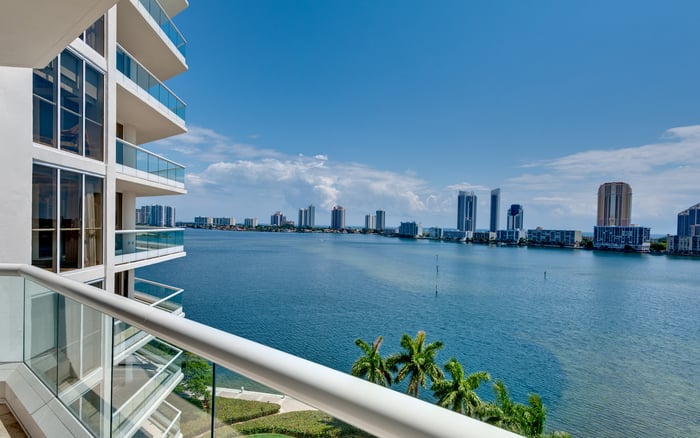
A discreet buyer’s framework for reviewing deposits, upgrades, timing, governance, and written concessions at W Pompano Beach Hotel & Residences.

A purchase review for W Pompano Beach Hotel & Residences should begin with the complete contract package rather than a wish list of concessions. The goal is to identify which provisions are fixed, which require clarification, and which may be open to written negotiation.
Ask counsel to distinguish legal or project-wide requirements from business terms controlled by the developer. Deposit timing, upgrade economics, assignment conditions, and closing logistics may warrant discussion, but no concession should be presumed available.
This approach keeps negotiations focused on provisions that could materially affect the buyer while recognizing that branding, design, use, and operating standards may be intended to apply uniformly.
Evaluate every deposit amount, installment date, payment trigger, escrow provision, and default remedy as part of one capital-commitment schedule. The analysis should show when funds are due and what the signed documents provide at each stage.
Confirm whether each installment is tied to a calendar date, construction event, or developer notice. Florida condominium counsel should review the actual escrow language, applicable cancellation rights, and the enforceability of any proposed revision.
Assignment provisions deserve separate attention. Confirm whether a pre-closing transfer requires consent, involves a fee, is restricted by timing, or addresses transfers to affiliates or estate-planning entities. Buyers comparing Pompano Beach opportunities such as Armani Casa Residences Pompano Beach should review each project’s documents independently rather than assume uniform terms.
An upgrade credit should be documented with a fixed amount, eligible selections, a selection deadline, an expiration rule, and the treatment of any unused balance. The written provision should also clarify how taxes, delivery charges, installation costs, or administrative markups affect the credit.
Customization language should address change-order pricing, approval procedures, scheduling consequences, and substitution rights. If a selected item becomes unavailable, the documents should state the process for choosing a replacement and identify any available remedy.
Any furniture or finish package should have a written schedule of inclusions. Review the listed items, installation responsibility, warranties, applicable standards, and replacement provisions rather than relying on broad showroom descriptions.
Closing provisions should identify the notice period, any extension mechanism, an outside date if provided, and the contractual response to a material delay. The practical review should address both anticipated timing and the process that applies when timing changes.
If an extension is offered, the language should identify its duration, the procedure for exercising it, any fee or additional deposit, and its treatment after a schedule revision. This can help a buyer plan financing, liquidity, entity formation, or another transaction without relying on an informal accommodation.
The same diligence framework can guide comparisons with The Ritz-Carlton Residences® Pompano Beach and Waldorf Astoria Residences Pompano Beach. Each project’s executed documents remain controlling for that specific purchase.
The contract and offering materials should be checked for provisions concerning the hotel, residences, shared amenities, governance, access, operating responsibilities, and cost allocation. Buyers should seek clarification wherever the documents leave the ownership experience or financial obligations uncertain.
If a rental program is offered, review whether participation is optional, how owner use is addressed, how revenue and expenses are allocated, which management fees apply, and how participation may end. The executed program documents, rather than a general sales description, should govern the analysis.
These operating provisions deserve the same attention as design selections and closing terms because they may affect ownership after the purchase is completed.
A sales presentation or verbal assurance should not substitute for an executed contract or signed addendum. Each concession should identify the unit, obligation, value, deadline, and remedy precisely enough to reduce the risk of conflicting interpretations.
The addendum should also address whether a benefit survives an assignment, closing delay, plan revision, or substitution. Before the applicable review period ends, counsel should reconcile every addendum with the purchase agreement, condominium documents, offering materials, escrow provisions, and any rental-management agreement.
Which contract terms may warrant negotiation? Developer-controlled economic, assignment, upgrade, and timing provisions may warrant discussion, although availability must be confirmed in writing.
Should deposits be reviewed separately? No. Deposit amounts, installment dates, escrow treatment, payment triggers, and default consequences should be assessed together.
What should an upgrade credit specify? It should state the value, eligible selections, deadlines, expiration rules, applicable costs, and treatment of unused funds.
Can a verbal upgrade promise be relied upon? A requested concession should be included in the executed contract or a signed addendum.
What matters in a customization allowance? Review selection deadlines, change-order pricing, markups, approvals, scheduling consequences, and substitution procedures.
How should furniture packages be evaluated? Confirm the written inclusions, installation responsibility, warranties, applicable standards, and replacement provisions.
Why review closing flexibility early? Early review allows the buyer to understand notice requirements, extension procedures, added costs, and the effect of schedule changes.
What should a closing clause address? It should address notice, any permitted extension, any stated outside date, and the contractual response to material delay.
What should buyers examine in a rental program? Review participation rules, owner-use provisions, revenue and expense allocation, management fees, and termination procedures.
Who should review the final documents? Qualified Florida condominium counsel should review the executed agreement, condominium documents, escrow terms, addenda, and any related management documents.
For a tailored shortlist and next-step guidance, connect with MILLION.
If branded residences are on your mind — as a home or as an allocation — we would be glad to share what we are seeing, privately.
Begin a quiet conversation