A buyer-focused comparison of two hospitality-led South Florida residences, examining what service coverage means in practice, why staffing ratios remain elusive, how gratuity policies should be verified, and where association fees fit within total annual carry.
For buyers considering Mr. C Tigertail Coconut Grove and The Ritz-Carlton Residences® West Palm Beach, the central question is not simply which property has the longer amenity list. It is how reliably each residence can deliver polished service, what that service costs, and which requests fall outside the association budget.
The two properties approach hospitality from distinct positions. Mr. C Tigertail is a completed residential condominium at 2678 Tigertail Avenue in Coconut Grove, with no hotel component. Yet its amenities and services operate under the Mr. C hospitality brand, bringing a boutique-hotel sensibility to a private residential setting. The Ritz-Carlton property is a pre-construction waterfront condominium at 1717 North Flagler Drive in West Palm Beach, with a more explicitly defined roster of residential staff and service hours.
The most useful comparison is not the amenity count, but the cost and consistency of service delivery.
That distinction makes these branded residences less a binary choice than a study in buyer priorities. One emphasizes intimate, lifestyle-driven hospitality; the other offers more granular visibility into planned coverage.
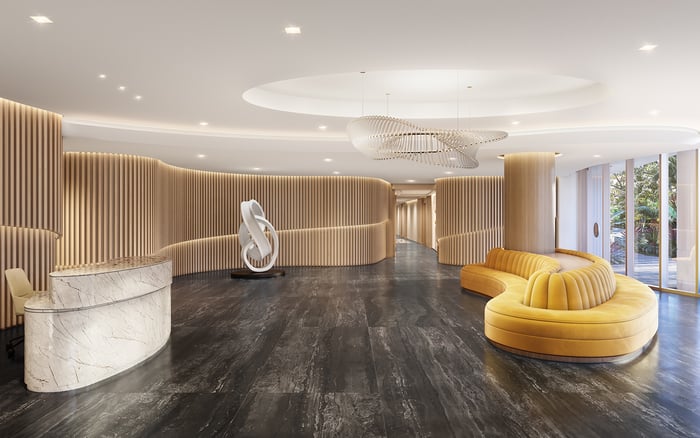
Mr. C provides concierge reception, butler service, 24-hour valet and security, property management, available housekeeping, and app-based requests. Its social and wellness offering includes a secluded rooftop pool, a garden-level lap pool, cabanas, spa and fitness spaces, business and social rooms, and a children’s playroom. Poolside service, a rooftop bar and lounge, a private Bellini Bar, and La Bottega café and gourmet market extend that service environment into daily dining.
The proposition is meaningful, but buyers should distinguish staff availability from unlimited task execution. Housekeeping, dining, and other individualized requests may carry separate charges, even when access to the service platform is part of the residential experience. The same distinction deserves attention when comparing nearby choices such as Four Seasons Residences Coconut Grove.
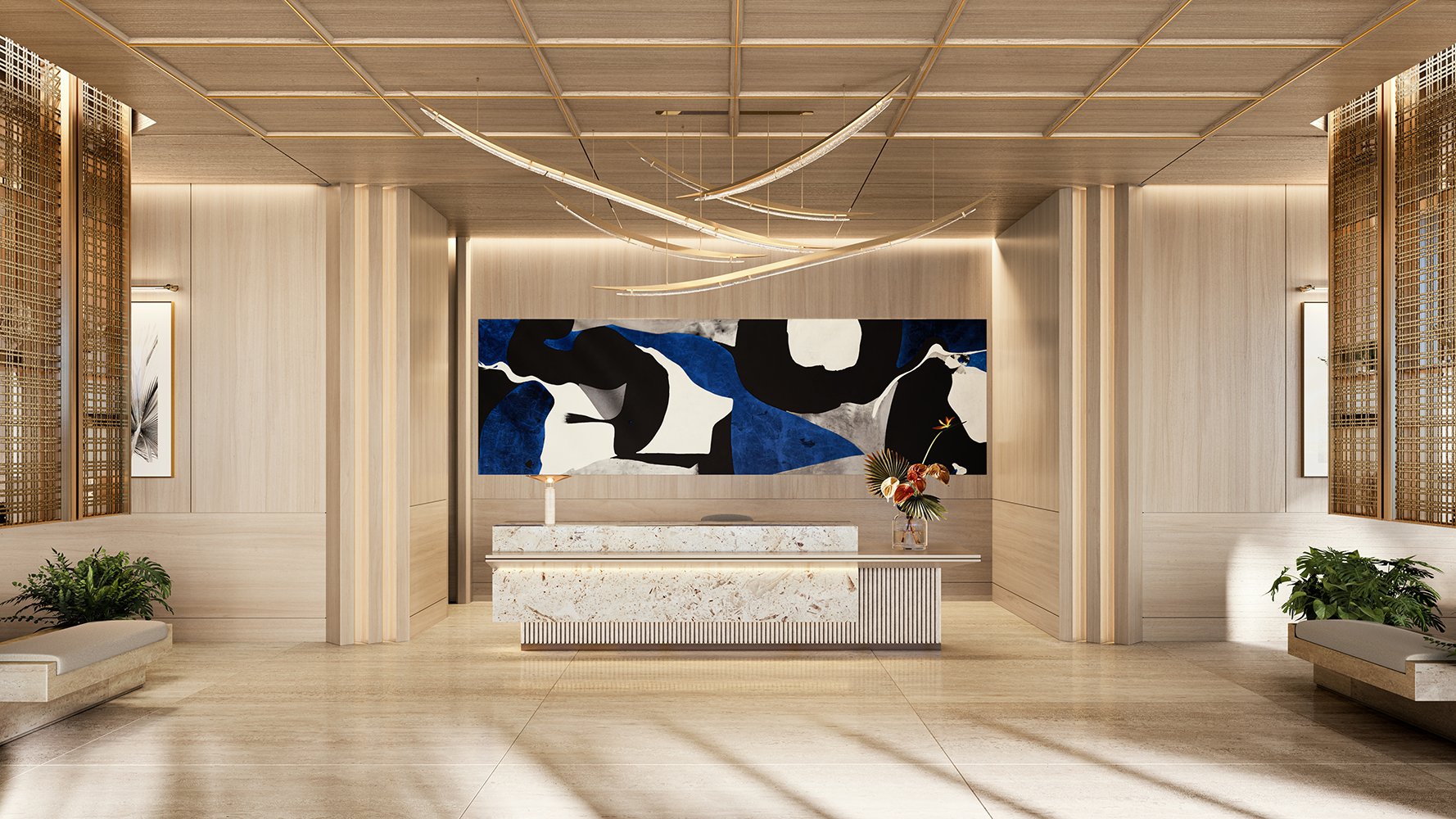
The Ritz-Carlton service plan offers greater detail on scheduled coverage. It includes a personalized 24-hour concierge, 24/7 valet and loss-prevention personnel, pool attendance for eight hours daily throughout the week, and door and public-area attendants for 16 hours daily, seven days a week. A resident liaison is planned for eight hours daily, five days a week. The roster also includes an on-site manager, chief engineer, and engineering staff available 16 hours daily throughout the week.
Its separately purchased menu extends further, encompassing housekeeping, dog walking, grocery shopping, personal training, private chefs, personal shopping, courier service, plant care, event planning, arrival stocking, laundry, engineering work, catering, and sommelier service. The project also includes a pool deck, fitness and wellness center, spa, and exclusive beach-club membership.
Neither project discloses a definitive staff-per-residence ratio. At Mr. C, service categories are identified without role-by-role shift coverage. At Ritz-Carlton, many coverage hours are defined, but an exact ratio remains unstated.
For a buyer, that is not necessarily a deficiency. A single ratio can obscure shift changes, management positions, engineering coverage, outsourced personnel, and seasonal demand. More operationally useful questions are precise: How many valet attendants are typically scheduled at peak arrival times? Is the concierge desk continuously staffed by dedicated residential personnel? What engineering response is available overnight? How are absences and high-occupancy periods covered?
Written answers matter more than an impressive headline number. They also make comparisons with other West Palm Beach offerings, including Mr. C Residences West Palm Beach, more disciplined and less dependent on brand perception.
Hospitality-style living brings frequent personal interactions with valet, housekeeping, food-and-beverage, and delivery personnel. Yet neither property establishes a comprehensive gratuity schedule. Buyers should not assume that tips are included in association fees or automatically incorporated into every optional-service charge.
Before contracting, request the current written gratuity policy and service-charge schedule. Clarify whether valet gratuities are customary, whether housekeeping invoices include a service charge, whether poolside and in-residence dining bills follow the same practice, and whether management organizes holiday staff funds. It is also worth asking whether third-party providers follow separate tipping conventions.
The goal is not to eliminate discretionary generosity. It is to distinguish voluntary gratuities from mandatory charges and forecast recurring cash outlays without awkward ambiguity. This is central to a buyer’s guide because culture can shape the ownership experience even when the amount is absent from a formal association budget.
Mr. C Tigertail has an indicated average association fee of approximately $1,985 per month, or about $2.16 per square foot. Applied to a hypothetical 1,200-square-foot residence, that rate produces an estimated fee of $2,592 per month, or $31,104 annually, before property taxes, insurance, and optional services.
The Ritz-Carlton’s pre-construction association estimate ranges from approximately $0.80 to $2.50 per square foot monthly-too broad for a clean unit-to-unit comparison. For a hypothetical 2,000-square-foot residence, $1.50 per square foot produces a $3,000 monthly fee, or $36,000 annually. At $2.50, the same residence reaches $5,000 monthly, or $60,000 annually.
These figures are illustrations, not interchangeable price benchmarks. The Mr. C number reflects an average building-level figure, while the Ritz-Carlton range is a pre-construction estimate. Residence size, budget revisions, and service allocations can materially alter the outcome.
At the Ritz-Carlton property, additional planning assumptions include annual property taxes near 2% of assessed value, HO-6 coverage estimated at $2,000 to $5,000-plus, and flood insurance estimated at $500 to $3,000. Actual costs depend on value, coverage, and elevation. Comparable due diligence should be applied to Mr. C rather than importing assumptions from another building or municipality.
A serious comparison should begin with the current association or proposed budget, reserve assumptions, insurance allocations, and a unit-specific fee schedule. Buyers should also request valet policies, beach-club costs where applicable, optional-service pricing, service charges, and gratuity guidance. For pre-construction ownership, identify which figures remain estimates and what may change before completion.
The final choice is personal. Coconut Grove offers a boutique residential model shaped by private hospitality and food-and-beverage touchpoints. West Palm Beach presents a more extensively scheduled staffing plan and a broad à-la-carte service menu. In both cases, the strongest lens combines lifestyle fit with a line-by-line annual carry model.
For discreet guidance on comparing South Florida’s service-led residences, connect with MILLION.
If branded residences are on your mind — as a home or as an allocation — we would be glad to share what we are seeing, privately.
Begin a quiet conversationNo. It is a residential condominium without a hotel component, although it offers hospitality-style amenities and services.
Advertised services include concierge reception, butler service, 24-hour valet and security, property management, available housekeeping and app-based requests.
Yes. Its published inclusive coverage includes a personalized 24-hour concierge, along with 24/7 valet and loss-prevention personnel.
No. Ritz-Carlton provides some role-specific coverage hours, but neither project publicly states a definitive staff-to-residence ratio.
Staff availability may be included, but individualized tasks such as housekeeping and other personal services can carry separate charges. Buyers should confirm each item in writing.
The published materials do not provide a comprehensive gratuity schedule. Buyers should request written guidance covering tips, mandatory service charges and third-party providers.
The indicated average is approximately $1,985 monthly, or about $2.16 per square foot, though a buyer should verify the fee for the specific residence.
At $2.16 per square foot monthly, the illustration is about $2,592 per month or $31,104 annually before taxes, insurance and optional services.
The pre-construction estimate spans approximately $0.80 to $2.50 per square foot monthly. Buyers should compare that range with the latest proposed budget.
Request the current budget, reserve assumptions, insurance allocations, unit-specific fees, valet policy, optional-service pricing, beach-club costs and written gratuity guidance.