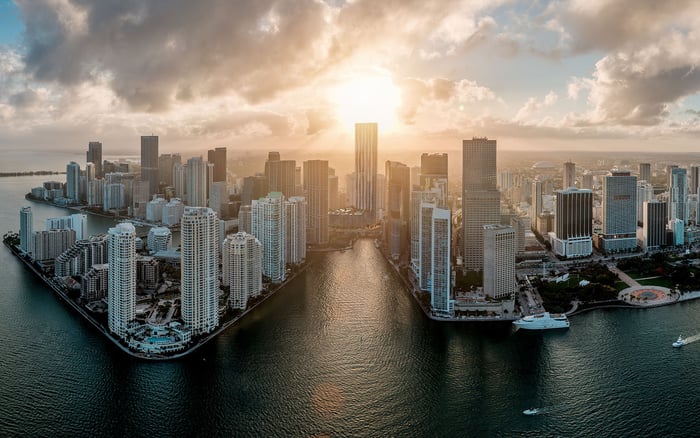
A buyer-oriented framework for evaluating Miami Grand Prix access from South Florida’s luxury neighborhoods, separating residential appeal from the practical details of parking, transfers and circuit entry.
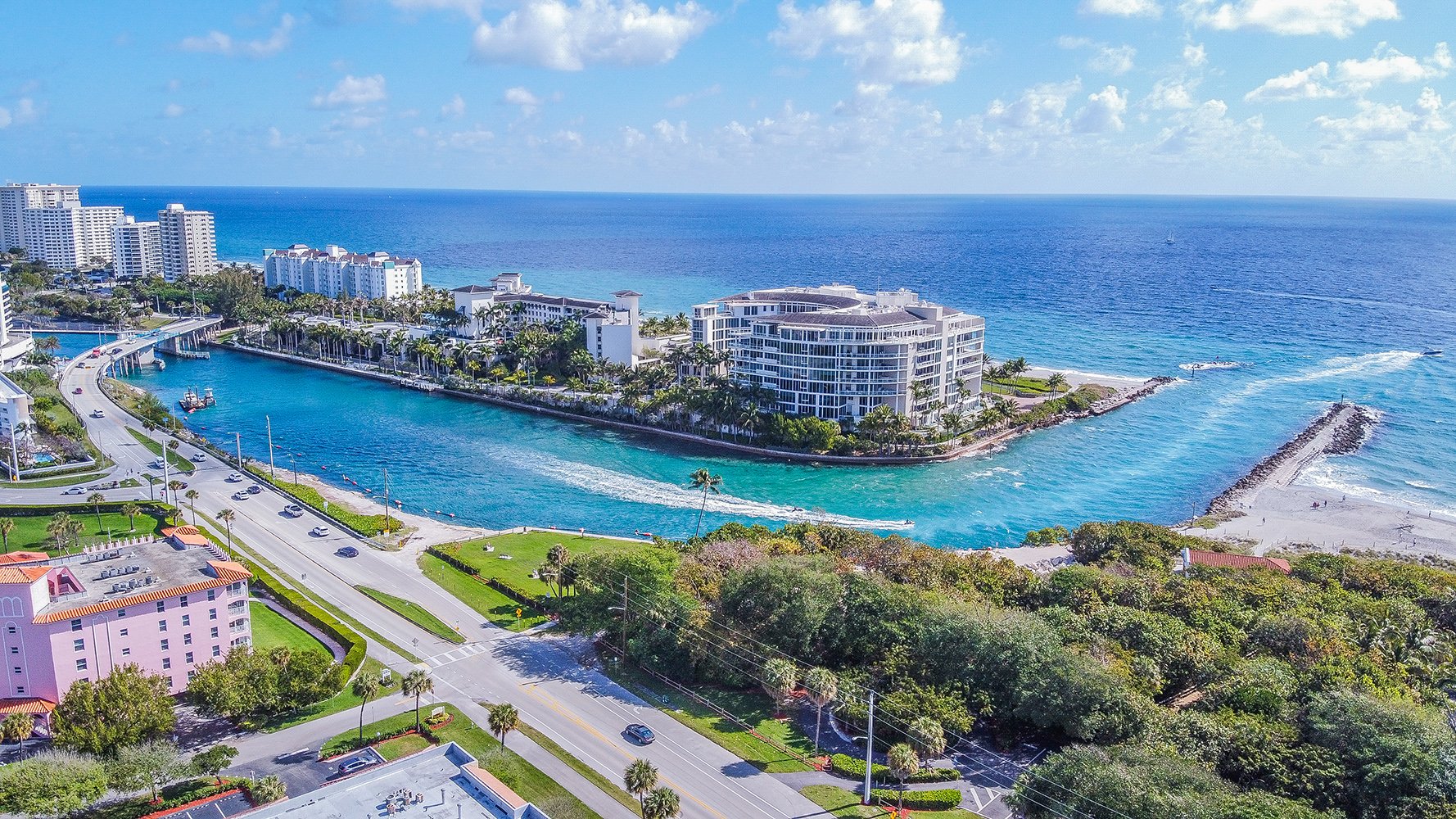
For South Florida’s luxury buyers, the Miami Grand Prix raises two distinct questions: where to enjoy living and how to reach the circuit. Those decisions overlap, but they are not interchangeable. A residence can suit a household beautifully without offering the simplest race-weekend journey. Equally, a promising location on the map does not guarantee a predictable arrival at the gate.
The 2026 weekend was scheduled for May 1-3 at the Miami International Autodrome, within the Hard Rock Stadium complex in Miami Gardens. Its address is 347 Don Shula Drive, Miami Gardens, FL 33056. This is not a downtown Miami or Miami Beach venue-an essential distinction when evaluating an F1-oriented residential base.
The temporary circuit measures approximately 3.36 miles and includes 19 turns. More relevant to a property decision is its setting within an existing stadium complex. Familiarity with an ordinary stadium visit should not replace event-specific arrival instructions.
Geographic distance is a starting point, not an access verdict. A useful comparison follows the entire journey: leaving the residence, reaching the authorized parking or drop-off location, completing any transfer, walking to the appropriate entrance and passing security.
For a buyer, that means asking more than whether a building is close to the stadium. Where would the vehicle actually go? Does the plan require a parking pass? Is a shuttle involved? How much walking can each guest comfortably manage? These questions turn a vague promise of convenience into a plan that can be assessed.
The return deserves equal attention. A successful arrival does not guarantee an equally straightforward collection. Evaluate the departure meeting point, communication arrangements and flexibility of any later commitment. Treat outbound and return travel as separate exercises rather than assuming one simply reverses the other.
Aventura belongs in the comparison, but it should not automatically be described as offering the best balance of luxury and circuit access. There is no defensible neighborhood-wide ranking for race-weekend travel times here. Buyers considering Avenia Aventura should evaluate the journey from the exact address to the event’s designated arrival location rather than rely on a general neighborhood label.
The same discipline applies to Sunny Isles Beach. A residential search that includes Bentley Residences Sunny Isles should treat circuit logistics as a separate due-diligence item. The project’s inclusion in a search does not establish parking privileges, special transport or race-weekend occupancy options.
For either area, ask a proposed transport provider to explain the permitted destination and collection arrangements before discussing estimated timing. A precise itinerary is more useful than an unsupported claim that one neighborhood is always easier than another.
For a household considering Bal Harbour, the relevant question is whether the preferred residential setting remains attractive when circuit travel is treated as a separate commitment. That is a more durable test than choosing an address around an unverified race-weekend shortcut.
A buyer exploring Rivage Bal Harbour can assess the residence on its own merits while requesting a separate transport plan for attendance. Do not assume that residential services include event access, reserved parking or permission to use a particular drop-off point.
Keep the comparison consistent across properties. Use the same intended arrival window, passenger requirements and expectations for onward walking. Otherwise, apparent differences in access may reflect different assumptions rather than meaningful distinctions between addresses.
For buyers weighing Brickell, circuit access should sit alongside the rest of the household’s itinerary. The useful question is not whether the neighborhood can be declared fastest, but whether the complete stay works without relying on an optimistic transfer assumption.
When considering The Residences at 1428 Brickell, keep long-term residential priorities distinct from a single event’s transport requirements. An appealing home need not win a race-weekend access contest to remain the right purchase.
Apply the same test to Las Olas and a Fort Lauderdale search that includes Andare Residences Fort Lauderdale. Compare the proposed journey from the exact address, including the final permitted approach and return collection. There is no sound basis here for giving Las Olas, Brickell or South Beach a guaranteed travel-time ranking relative to the other neighborhoods.
The access arrangement should determine the transport plan, not the other way around. Before selecting a vehicle or driver, establish the applicable parking-pass conditions, lot directions, passholder instructions and rideshare procedures. The venue’s street address alone is no substitute for those directions.
A chauffeur may be a preference for comfort and coordination, but not a guarantee of faster entry or privileged access. Ask where the driver is permitted to deliver passengers, where collection can occur and what happens if the agreed plan needs to change.
Treat shuttle arrangements with similar care. Complimentary service from designated parking lots has existed previously, but that does not confirm the same arrangement for 2026. Build an itinerary around the instructions applicable to the relevant event, not a remembered lot number or a previous year’s experience.
Metrorail does not directly serve the stadium. It should therefore not be treated as a station-to-circuit solution when comparing residential locations.
It can serve the Miami International Airport-to-city portion of a trip, but reaching Miami Gardens still requires an onward transfer. For a visiting household, separate airport arrival logistics from circuit attendance rather than letting one convenient segment imply an entirely rail-based itinerary.
Likewise, keep the desired gate-arrival time distinct from the race start. A start time alone does not account for parking, transfers, walking or security. Confirm the finalized event schedule before making firm commitments for the day.
The strongest residential comparison does not manufacture a neighborhood winner. It identifies the home that suits the buyer, then tests whether a practical event itinerary can support that choice. Compare exact addresses, consistent passenger needs, authorized arrival points and workable return arrangements.
Grand Prix access is best treated as a specific planning requirement, not evidence of a property’s investment performance or a promise of effortless mobility.
For a considered approach to South Florida residences and the lifestyle decisions around them, explore MILLION.
If branded residences are on your mind — as a home or as an allocation — we would be glad to share what we are seeing, privately.
Begin a quiet conversationThe weekend was scheduled for May 1–3, 2026.
The Miami International Autodrome is within the Hard Rock Stadium complex in Miami Gardens, not downtown Miami or Miami Beach.
The listed address is 347 Don Shula Drive, Miami Gardens, FL 33056. Event-specific parking and arrival instructions should guide the final approach.
No defensible race-weekend travel-time ranking is established among the neighborhoods discussed. Compare exact addresses and the complete journey to the relevant entrance.
Aventura can be considered, but it cannot be established as the best luxury-access balance. Its suitability depends on the particular residence and transport arrangement.
No guaranteed chauffeur advantage is established. A driver still needs to follow applicable parking, drop-off and collection instructions.
No. Metrorail does not directly serve the stadium, so an onward transfer is required.
Metrorail can serve the Miami International Airport-to-city segment. That does not eliminate the need for onward transport to Miami Gardens.
Previous complimentary shuttle arrangements do not establish the 2026 service. Any itinerary should rely on event-specific instructions.
Include the drive, authorized parking or drop-off, any transfer, walking and security. Assess the return collection separately.