For art collectors comparing Miami Beach and Palm Beach, the decision should begin with the collection’s needs. Building access, installation procedures, environmental conditions, adviser relationships, and preferred cultural routines all require residence-specific review.

For an art buyer, choosing between Miami Beach and Palm Beach is less about declaring one market universally superior than determining how a collection will function in a specific home. Daily enjoyment matters, but so do receiving, installation, storage coordination, security, insurance requirements, and access for trusted art professionals.
The comparison should therefore begin with the collection rather than the view. A buyer can identify the works that are hardest to transport, display, protect, or maintain, then test each shortlisted residence against those requirements. This approach turns a broad location debate into a practical acquisition strategy.
The right collector residence pairs visual pleasure with disciplined stewardship.
Cultural proximity does not mean the same thing to every collector. One buyer may prioritize recurring gallery appointments, while another may care more about access to advisers, exhibitions, private viewings, or conversations within an established network. The relevant measure is not simply distance but the ease with which those activities can become part of ordinary life.
Buyers considering Palm Beach can use Palm Beach Residences as a residential reference point while mapping their preferred cultural routine. The useful questions are concrete: Which relationships matter most? How often will appointments occur? Will the residence support spontaneous visits, planned events, and meetings with specialists?
The same discipline applies in Miami Beach. A buyer should list the cultural experiences and professional relationships that influence the collection, then evaluate how naturally each address fits that pattern. This avoids relying on generalized claims about either market.
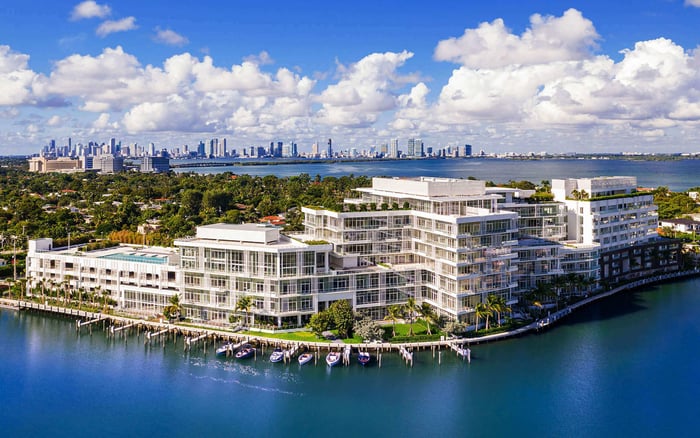
A Miami Beach home should be assessed as both a residence and a working environment for collection stewardship. Buyers reviewing Setai Residences Miami Beach or The Perigon Miami Beach should look beyond finishes and views to the procedures governing art movement and installation.
The review can include service-entry dimensions, elevator access, loading arrangements, permitted working periods, contractor procedures, temporary staging, security protocols, wall construction, glazing, climate control, backup systems, and insurance documentation. These conditions should be confirmed directly rather than inferred from a property’s positioning.
Interior circulation deserves equal attention. The route from the service entrance to the intended display area should accommodate the collection’s difficult works without fragile turns, avoidable transfers, or conflicts with household operations. Installation teams may also need protected working space and clear procedures for equipment.
Freight suitability cannot be established by looking at a map alone. The practical route includes every stage between pickup and final placement, including building access, unloading, elevator use, staging, condition review, and installation. A short journey can still be complicated if the final steps are restrictive.
Collectors should create representative scenarios for each shortlisted home. One might involve a large crated painting delivered for immediate installation. Another might involve a sensitive work requiring controlled handling, temporary staging, or coordination among several specialists. The scenarios should reflect the actual collection rather than a generic shipment.
A registrar, insurer, conservator, installer, or fine-art shipper can then review the proposed route and procedures. Buyers should seek written confirmation where possible, particularly for building rules, equipment limitations, insurance obligations, and access arrangements. The objective is a repeatable process that the relevant parties can accept.
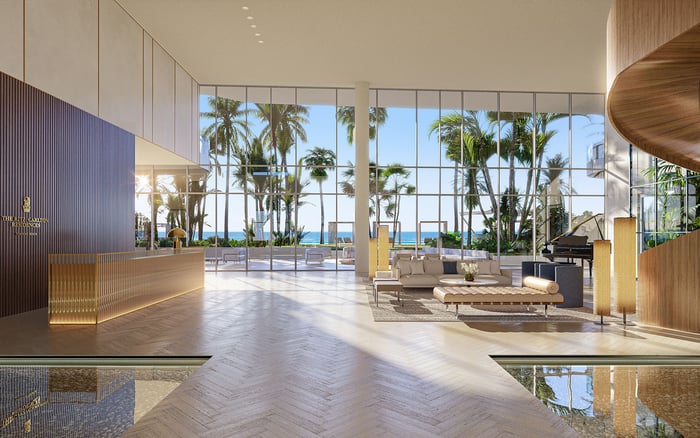
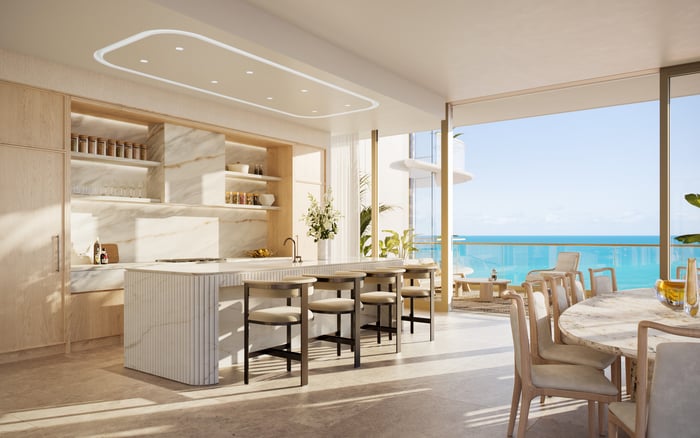
A successful collector home must support both presentation and preservation. Buyers should consider natural and artificial light, humidity and temperature stability, glazing, wall composition, electrical planning, security, and the relationship between display areas and household circulation.
The assessment should follow the collection’s medium and sensitivity. Paintings, works on paper, photography, sculpture, textiles, and new-media pieces may present different display and infrastructure questions. The buyer’s advisers can identify which conditions require specialist testing before the acquisition proceeds.
Flexibility also matters. A residence that works for the current arrangement may need to accommodate future acquisitions, loans, rotations, or conservation needs. Buyers can examine whether display walls, storage options, power access, and circulation routes allow the collection to evolve without disruptive alterations.
Building management can shape the ownership experience as much as the physical residence. Buyers should request the documents and written procedures that govern deliveries, contractors, renovations, insurance, security, and work in common or service areas. Any ambiguity affecting valuable or sensitive works should be resolved before contracting.
A useful comparison matrix can record the same criteria for every property. Categories might include access dimensions, loading procedures, elevator arrangements, installation permissions, climate considerations, security, adviser access, and required approvals. Consistent criteria make it easier to distinguish a manageable limitation from a serious operational obstacle.
Buyers should also identify who will coordinate future activity. Even a suitable building requires clear communication among the owner, household staff, property management, art advisers, installers, insurers, and shippers. Establishing responsibilities in advance can reduce uncertainty when a work arrives or leaves.
Miami Beach and Palm Beach should ultimately be compared through the buyer’s lifestyle, professional network, cultural priorities, and collection-management plan. Neither market should be selected on an assumed freight advantage or a generalized idea of cultural access. The decisive evidence comes from the exact residence and the owner’s intended routine.
A buyer who values a particular Palm Beach pattern may prioritize residences that make those appointments and relationships convenient. A buyer drawn to Miami Beach may advance a property that passes the same operational tests while supporting the preferred setting and lifestyle. In both cases, the collection provides the standard for comparison.
The final decision should combine aesthetic conviction with verified procedures. When access, installation, environmental conditions, security, and adviser coordination have been reviewed, the residence can be judged as both a home and a setting for long-term stewardship.
For discreet guidance on South Florida residences suited to art collecting, consult MILLION.
If branded residences are on your mind — as a home or as an allocation — we would be glad to share what we are seeing, privately.
Begin a quiet conversationStart with the collection’s display, handling, security, and cultural needs. Then test each shortlisted residence against those requirements.
Building procedures and physical access can affect deliveries, installation, maintenance, and insurance coordination.
Confirm service-entry dimensions, elevator arrangements, loading procedures, working periods, staging options, and insurance requirements.
No. The complete handling route and the building’s procedures must also be reviewed.
Create realistic shipment and installation scenarios based on the collection’s most demanding works. Ask relevant art professionals to review each scenario.
Review light, climate stability, glazing, wall composition, electrical planning, security, and circulation routes.
Delivery, contractor, renovation, insurance, security, and service-area procedures may all be relevant.
Measure it against the buyer’s preferred galleries, advisers, events, and viewing routine rather than a generalized market reputation.
Yes. Display areas, infrastructure, storage options, and circulation should allow the collection to evolve.
Choose the residence that best combines lifestyle preferences with verified collection-management procedures.