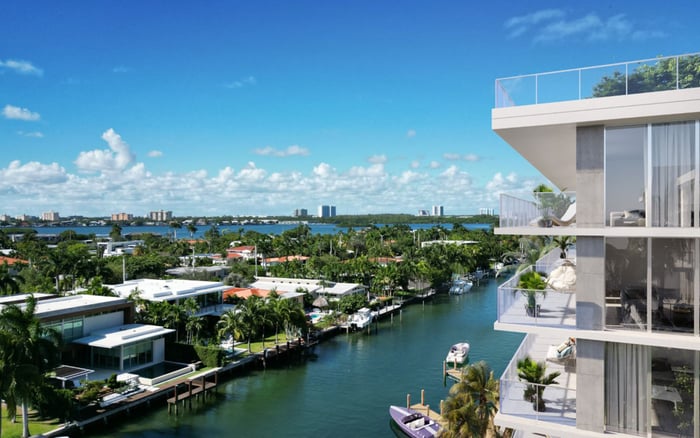
A buyer-focused framework for evaluating guest access at Mila, from pre-registration and elevator controls to visitor parking, amenities, staffing, and governing documents.

At Mila Bay Harbor Islands, the promise of a boutique waterfront condominium lifestyle places unusual importance on how guests are received. In an intimate building, a single arrival can move through the driveway, reception desk, elevator, residential floor, and amenities within minutes. The standard must therefore be controlled yet gracious.
Prospective owners should treat guest management as a material component of due diligence, not a minor operational detail. The central question is whether privacy, security, infrastructure protection, and hospitality have been translated into clear written rules and repeatable service procedures. The available framework is best understood as a series of points to clarify, rather than confirmation of Mila's current bylaws, guest limits, fees, parking allocations, or elevator protocols.
The governing documents or building manual should formally distinguish among a guest, a visitor, and a transient occupant. These categories may sound interchangeable, but they can raise different questions about duration, access, responsibility, and permissible use. Informal interpretations create uncertainty for owners and leave front-desk staff to make policy in real time.
A polished standard should also distinguish registered guests from unauthorized visitors who could create security or nuisance concerns. Owners need to know who may authorize entry, what identification is required, whether overnight stays are treated differently, and how household staff, contractors, deliveries, and personal service providers are categorized.
This distinction becomes especially important when legitimate private hosting could begin to resemble short-term or quasi-hotel occupancy. Any policy should align with the condominium documents and applicable zoning, licensing, and insurance requirements. Buyers should request the operative language rather than rely on a sales conversation or informal assurance.
Digital guest pre-registration can make a secure arrival feel effortless. An owner could provide a guest's details in advance, allowing reception to verify the visit without prolonged calls, lobby confusion, or unnecessary disclosure. The purpose is not merely surveillance; it is to let invited guests move through a controlled environment with the confidence expected of a luxury residence.
The same principle matters across Bay Harbor Islands. Buyers comparing Mila with Alana Bay Harbor Islands and Origin Bay Harbor Islands should ask how each building coordinates owner authorization, reception, access credentials, and after-hours procedures. The most persuasive system performs consistently, regardless of which employee is on duty.
A buyer should clarify whether every visit requires registration, how recurring guests are handled, how records are maintained, and what happens when a guest arrives before the owner. Procedures should also address denied entry, changed plans, emergency access, and communication with the resident.
Elevator policy is where privacy and capacity become tangible. Controlled access can prevent visitors from roaming residential floors, while scheduling can reduce congestion from overlapping guests, deliveries, move activity, and service personnel. Yet excessive friction can undermine the hospitality the building seeks to provide.
Holiday weekends, private events, and other high-occupancy periods warrant particular attention. Buyers should ask whether guest demand is anticipated, whether service activity is separated or scheduled, and how staff respond when queues form. In a boutique environment, the objective is not simply to move people vertically. It is to preserve calm, minimize resident disruption, and keep private floors appropriately protected.
The written policy should align with the physical access system and staffing model. If guests require escorted access, buyers should determine whether staffing is sufficient during peak periods. If credentials are issued, their duration and permitted destinations should be explicit.
Visitor parking can become the most visible pressure point in a compact waterfront setting. Guest vehicles share arrival space with residents, deliveries, vendors, and service personnel, while garage and driveway capacity may be constrained. A refined policy should define where visitors wait, who accepts vehicles, how overflow is managed, and whether advance notice is required.
Coordinated valet service may offer a more hospitality-oriented alternative to unmanaged visitor parking. Even so, buyers should confirm availability, hours, retrieval procedures, fees, gratuity expectations, liability protocols, and the treatment of oversized or specialty vehicles in the governing and operating materials. None of these details should be presumed.
When comparing nearby options such as Onda Bay Harbor and The Well Bay Harbor Islands, owners should look beyond the mere existence of parking or valet. The decisive issue is whether arrival procedures remain orderly when several households host at once.
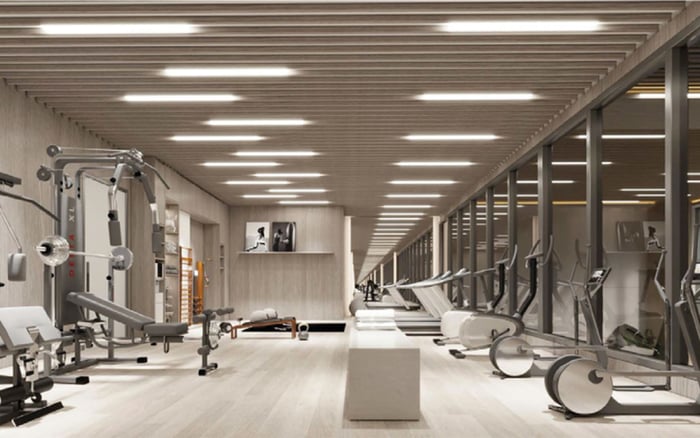
Guest privileges in lounges, pools, fitness areas, and other common spaces should be addressed expressly. Owners need clarity on whether accompaniment is required, whether guest counts vary by amenity, and whether reservations or peak-period restrictions apply. The rules should also establish the host's responsibility for conduct, damage, noise, and compliance.
Well-designed controls can be framed as hosting conveniences rather than prohibitions. Advance reservations, destination-specific credentials, and clear capacity practices help owners entertain confidently while protecting the shared environment. Consistency is essential: selective enforcement can feel less luxurious than a firm rule applied discreetly to everyone.
Sales materials, association documents, building manuals, and daily operations should present the same guest experience. Before closing, a buyer should review the condominium declaration, association rules, management handbook, parking plan, and developer disclosures. Specific questions should address guest definitions, registration, access hours, elevator controls, parking, valet, amenities, overnight stays, violations, and any charges.
Staff training determines whether those words become a credible service culture. Reception, security, elevator, parking, and resident-service teams should follow a single, coordinated procedure. The strongest standard protects the home without making an invited visitor feel processed. For an owner, that balance supports confidence, privacy, and effortless entertaining.
Are Mila's current guest limits publicly confirmed here? No. Buyers should verify any limits in the current association documents, building manual, and developer disclosures.
Why should guest, visitor, and transient occupant be defined separately? Clear definitions reduce inconsistent interpretation and clarify access, duration, responsibility, and permissible use.
Could digital pre-registration improve arrivals? Yes. It can streamline verification while preserving controlled access and a more gracious reception experience.
Should every guest receive elevator access to all floors? Not necessarily. Destination-controlled access may better protect privacy, but Mila's actual protocol must be confirmed.
What should buyers ask about peak elevator periods? Ask how holidays, private events, deliveries, and service activity are scheduled to limit queues and resident disruption.
Is visitor parking at Mila guaranteed? No allocation should be assumed. Confirm spaces, eligibility, hours, fees, overflow procedures, and restrictions in writing.
Can valet solve visitor-parking pressure? Coordinated valet may create a smoother arrival, provided its capacity, hours, fees, liability, and retrieval procedures are clear.
May guests use every amenity? That depends on the operative rules. Buyers should verify accompaniment, reservations, guest counts, and peak-period limitations.
How should short-term occupancy be treated? Policies should distinguish private guests from quasi-hotel use and remain consistent with condominium, zoning, licensing, and insurance requirements.
What is the clearest sign of a strong service standard? Written policy, access technology, staffing, and daily execution should deliver the same discreet, consistent experience.
For a discreet conversation and a curated building-by-building shortlist, connect with MILLION.
If branded residences are on your mind — as a home or as an allocation — we would be glad to share what we are seeing, privately.
Begin a quiet conversation