Moving a primary residence from Doha to Surfside calls for more than a change of address. Coordinate title, trust arrangements, insurance and succession documents through a property-specific, cross-border review.
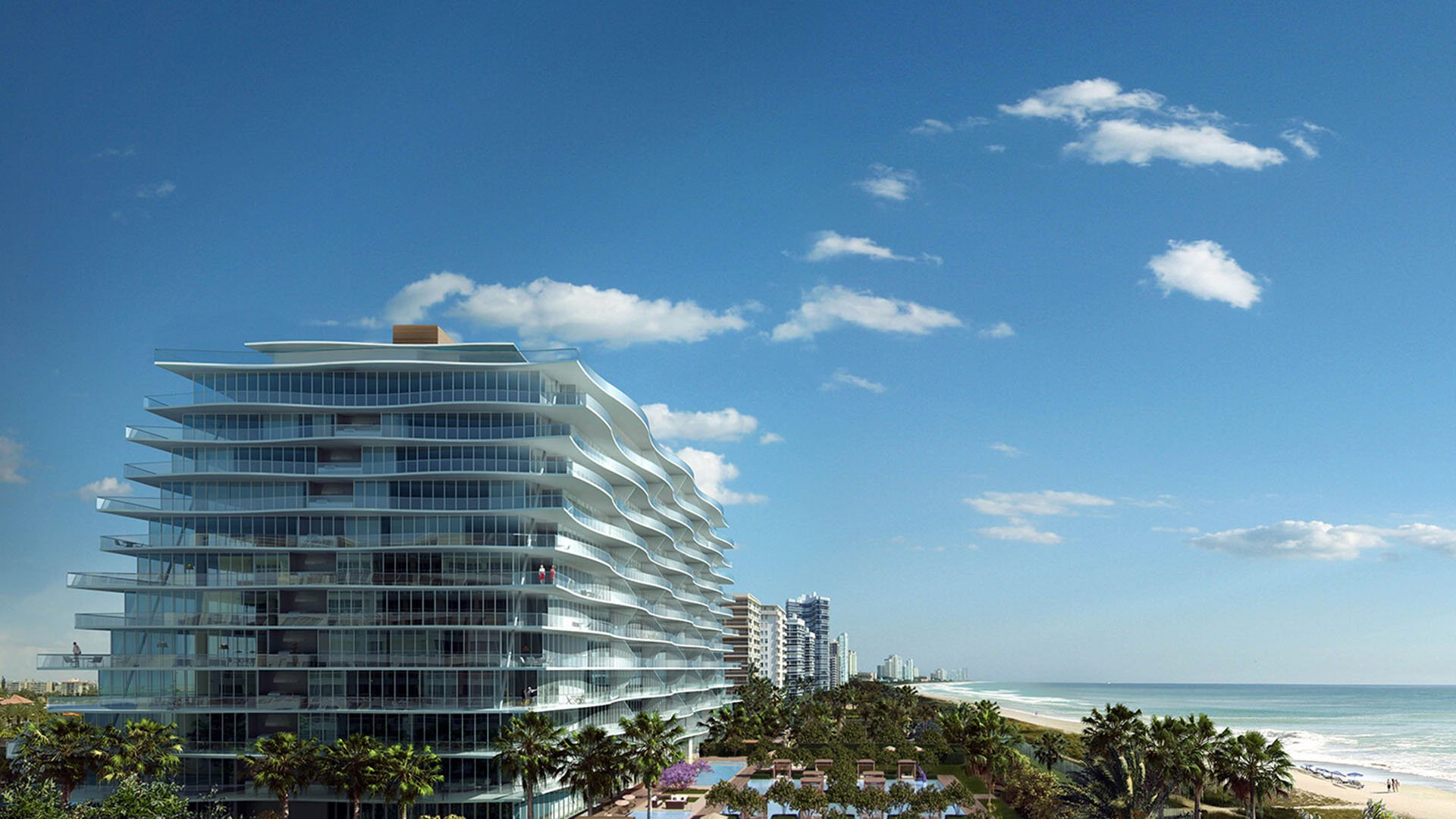
Making Surfside the primary residence after Doha is a decision about daily life. It should also prompt a coordinated review of ownership, insurance and family continuity. The objective is not simply to acquire a home, but to ensure that the deed, estate arrangements and coverage reflect how the household intends to live.
For a buyer considering The Surf Club Four Seasons Surfside, the residential search and advisory work should proceed together. Before settling on an ownership structure, ask Florida real-estate and estate counsel, qualified cross-border tax advisers and an insurance professional to work from the same account of the family’s circumstances.
Begin with a written brief covering anticipated time in Florida and Doha, existing property interests, family relationships, current trusts and wills, and who should make decisions during an absence or incapacity. Treat the brief as a planning document, not a declaration that any particular residency or tax status has been established.
“Primary residence” should not become shorthand for every legal and financial question. An insurance classification can use a more-than-nine-month annual occupancy test without establishing tax domicile or homestead rights. Ask each adviser to identify the test relevant to their work rather than borrowing a conclusion from another discipline.
Residency documentation deserves its own file. Depending on the applicable insurance requirements, evidence may include a homestead exemption, Florida identification, vehicle registration or voter registration where legally applicable. Confirm which documents the specific policy accepts; do not assume that obtaining one document resolves the broader relocation analysis.
If an existing property is changing from occasional use to the household’s principal home, ask the insurance professional whether a signed affirmation and supporting records are required. Resolve that question before requesting a classification change. The goal is consistency between actual occupancy, representations made to the insurer and advice governing the family’s other affairs.
Deed vesting belongs early in the acquisition discussion. Ask counsel to compare the proposed ownership arrangement with the family’s intended succession outcome, rather than selecting a name for the deed in isolation.
Whether the contemplated residence is at Arte Surfside or another property, the review should be specific to the buyer. Ask who would hold title, who would have authority to act, what happens if that person becomes unavailable, and whether the arrangement fits the intended beneficiaries. Any tax consequences require qualified review before implementation.
Trust ownership does not automatically eliminate eligibility for Florida’s homestead tax exemption. Florida’s land-trust statute permits a qualifying beneficiary’s principal residence to receive that exemption when held by a land-trust trustee. This is a narrow provision, not blanket approval of every trust structure.
Do not extend that provision into assumptions about spousal rights, minor children, creditor protection or succession. Request a separate analysis of those questions. If the property is already owned, treat a proposed title transfer as a fresh advisory decision, not merely an administrative correction.
A move from Doha does not, by itself, establish which succession rules govern a particular family or asset. Ask qualified advisers in the relevant jurisdictions to review the household’s circumstances and existing documents together.
The working file should include existing wills, trust instruments, amendments, powers of attorney and health-care instructions, where available. Do not assume that any document will function unchanged in Florida or Qatar. Ask counsel to assess its intended scope, formal requirements and interaction with the rest of the plan.
Pay particular attention to whether a proposed new document could unintentionally conflict with an earlier one. Ask advisers to explain which assets each instrument is intended to address, who is appointed to act, and whether additional execution, translation or recognition steps are necessary. These are questions for review, not predetermined requirements.
The same discipline applies to probate and taxation. Do not select a trust or title arrangement on an untested promise that it avoids probate, removes tax exposure or guarantees a particular inheritance outcome. Seek a coordinated recommendation grounded in the family’s actual circumstances.
For an oceanfront home, review property coverage and flood coverage separately. Do not assume that a residential policy includes flood losses. Separate flood insurance is available through the National Flood Insurance Program or private insurers; ask the insurance professional to evaluate the appropriate arrangement.
At Fendi Château Residences Surfside, as with any condominium under consideration, request the actual association insurance documents rather than relying on the existence of a master policy. Have the adviser examine what the association insures and what protection the household should arrange separately. The project name alone establishes nothing about coverage.
A condominium master policy providing building coverage for a unit may be acceptable as proof of flood coverage in specified insurance circumstances. That does not confirm that every owner’s coverage needs are satisfied. Ask for a written explanation of both compliance and the protection provided.
Flood requirements can also depend on policy eligibility, exceptions and applicable implementation dates. Where a requirement uses dwelling replacement cost, do not substitute the property’s purchase price. Have the adviser confirm the governing policy terms and requirements at placement and renewal.
For a purchase at Ocean House Surfside, base the final review on the actual documents, not general expectations about luxury ownership. Ask counsel and the insurance professional to reconcile the proposed title, intended occupancy and policy arrangements before the transaction is treated as complete.
Keep the approved deed and trust materials, executed succession documents, insurance policies and adviser contacts in an organized household file. Ask counsel which originals should be retained, who should have access and how the appointed decision-makers should be informed. The aim is to make the plan usable, not merely signed.
Finally, establish a review point when occupancy, family circumstances, ownership or coverage changes. A thoughtfully selected Surfside residence should support the household’s life; its legal and insurance arrangements deserve the same considered attention. Use this framework as an agenda for qualified advice, not as a substitute for it.
Explore a considered approach to your Surfside residential search with MILLION.
If branded residences are on your mind — as a home or as an allocation — we would be glad to share what we are seeing, privately.
Begin a quiet conversationNo. An insurance occupancy test should not be treated as a universal test for tax domicile or homestead rights.
Prepare a shared brief covering intended occupancy, existing property interests, family relationships and current estate documents. Give the same information to the relevant legal, tax and insurance advisers.
Review it before finalizing the ownership structure. Ask counsel to assess the proposed title alongside authority to act, succession objectives and potential tax consequences.
Florida’s land-trust statute permits the exemption for a qualifying beneficiary’s principal residence held by a land-trust trustee. This does not establish eligibility for every trust arrangement.
No. The tax-exemption provision should not be treated as resolving spousal, minor-child, creditor or succession rights.
No automatic replacement is recommended. Qualified advisers should review their scope, requirements and interaction with any proposed Florida documents.
Depending on the policy requirements, evidence may include a homestead exemption, Florida identification, vehicle registration or legally applicable voter registration. Confirm the acceptable documentation with the insurance professional.
Separate flood coverage is available through the National Flood Insurance Program or private insurers. Ask an insurance professional to evaluate coverage for the specific property.
No. Building coverage may satisfy proof requirements in specified circumstances, but that does not establish that all of an owner’s protection needs are met.
Revisit the arrangements when occupancy, family circumstances, ownership or insurance coverage changes. Keep the household’s legal and insurance advisers working from updated information.