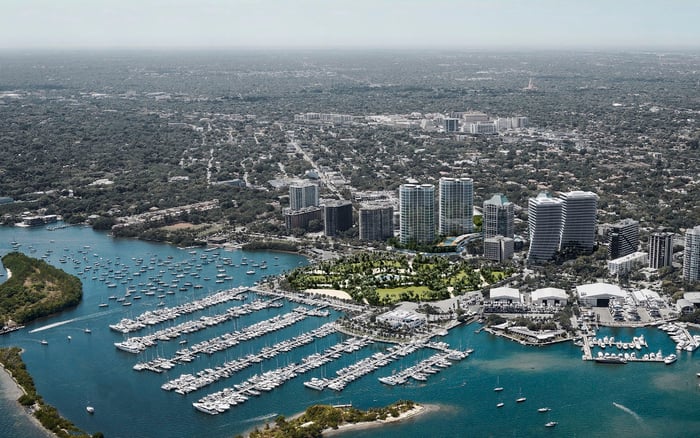
Making Coconut Grove a primary residence after Lisbon requires more than a waterfront address. Coordinate vessel-specific dockage, departure arrangements, crew responsibilities, and hurricane procedures before committing to the yacht’s relocation.
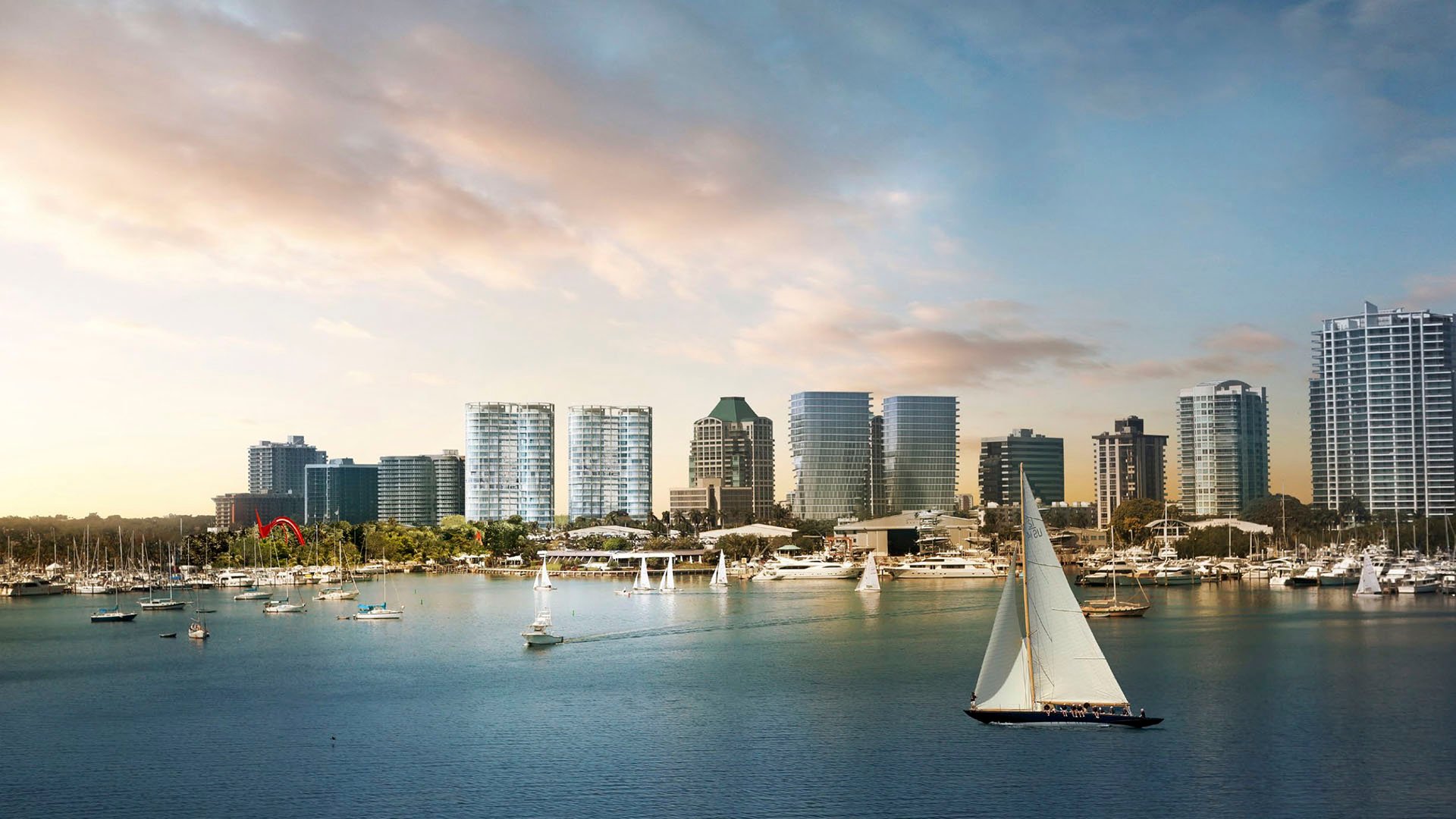
Moving a primary residence from Lisbon to Coconut Grove is as much an operational decision as a residential one. The home should support the life you intend to lead, but the yacht requires its own confirmed arrangements: suitable dockage, dependable crew coverage, departure coordination, and a hurricane plan that works when you are elsewhere.
Treat the residence and the berth as separate commitments. A compelling apartment does not establish marina availability, and a waterfront setting does not confer docking rights. Buyers considering Park Grove Coconut Grove should evaluate the home on its residential merits while independently securing the vessel’s operating base.
Establish vessel requirements, obtain written marina terms, define crew responsibilities, and then test how the residential shortlist supports those arrangements. Keep legal domicile and tax planning on a separate professional track; choosing a primary home does not, by itself, determine either.
Grove Harbour Marina sits on Biscayne Bay in Coconut Grove, with dockage offered for vessels up to 135 feet. That makes it a relevant starting point for a yacht owner, not an automatic match. Confirm length overall, beam, draft, utilities, contract duration, and actual availability before authorizing relocation.
Regatta Harbour, at 3385 Pan American Drive in Dinner Key, offers a different combination of facilities: dry-storage capacity for more than 400 vessels, three launch points with lifts, and 700 linear feet of transient floating dockage. Those figures describe distinct functions. Total dock length is not a maximum vessel length, and dry-storage capacity does not establish suitability for a particular yacht.
Indoor and outdoor dry storage, Jet Ski storage, and unlimited launching for marina members seven days a week may support a separate dayboat or tender strategy. Ask which vessel dimensions and weights are accepted, how launches are arranged, and whether the intended use fits the membership terms. Confirm availability directly; capacity is not inventory.
Regatta Harbour’s marina hours are 8:30 a.m. to 5:30 p.m. daily; fuel-dock hours are 9 a.m. to 5 p.m. daily. Reconfirm both, then ask how those windows affect provisioning, launches, and returns. Seven-day launching does not mean round-the-clock service.
The marina is part of a 9.5-acre waterfront redevelopment incorporating restaurants, retail, events, parking, and boating facilities. That mix provides a useful setting for evaluating everyday convenience, but the practical questions remain specific: where will provisions arrive, where can crew meet, and how will guests reach the vessel?
For a buyer comparing Four Seasons Residences Coconut Grove with other residential candidates, test the actual home-to-marina journey at the hours you expect to use it. Verify building arrangements for visitors, deliveries, and staff rather than assuming residential services extend to yacht operations. The objective is a routine that feels effortless because its details have been settled.
Doca de Alcântara and Doca de Santo Amaro offer useful departure-side coordination points for an owner already based in Lisbon. Reception contacts and operating hours are available for both. Begin with the vessel’s existing berth arrangements and identify who will handle access, preparation, and the final handover.
Keep transport planning separate from marina selection. Obtain vessel-specific proposals before committing to a carrier, loading location, price, or transit window. Do not build the residential move around an assumed Lisbon-to-Miami shipping schedule. Align departure arrangements and destination acceptance in writing before either becomes a fixed deadline.
A practical relocation file should bring together vessel dimensions, utility requirements, responsible contacts, proposed dates, and confirmation of destination arrangements. Ask qualified advisers to address U.S. vessel import requirements and cross-border ownership questions separately. Transport coordination is not a substitute for compliance advice, and a marina reservation does not resolve entry requirements.
South Florida crew-placement services cover captains, chefs, and deckhands, with options to supplement an existing crew or assemble a new team. Yacht-management and concierge services are also available. Distinguish the service on offer from the specific duties someone has contracted to perform for your vessel.
Before departure, assign responsibility for receiving the yacht, checking its condition, managing provisioning, liaising with the marina, and reporting to the owner. Confirm who will be available during travel periods and who can authorize urgent expenditure. Placement can involve registration, a deposit, candidate review, selection, and a crew-placement agreement. Allow time for a deliberate hiring process.
When evaluating Opus Coconut Grove, apply the same operational discipline to the residence: ask about authorized access, delivery procedures, and any relevant staff arrangements. Do not assume crew accommodation or access rights. Immigration and work authorization require separate advice before assigning U.S.-based duties to a relocating team.
A vessel-specific hurricane plan should establish where the boat will go, what preparations will be made, and when action begins. The trigger matters as much as the destination. If relocation is part of the plan, arrange it early rather than waiting until access or staffing becomes constrained.
At Miami’s municipal marinas, hurricane procedures call for closure to the public when a Hurricane Warning is issued or 24 hours before expected landfall, with owners required to leave their vessels. Electrical service to piers is also subject to shutoff when significant storm surge is expected. These are municipal procedures, not the contractual rules of Grove Harbour or Regatta Harbour. Obtain each operator’s written requirements independently.
Preparations should address removing canvas and loose equipment, doubling lines, adding chafe protection, improving watertight integrity, and clearing cockpit drains. Engines and vessel systems should remain in working order. Alongside the contracted crew’s responsibilities, identify a friend or family member who can help execute the plan if you are away.
No berth, dry-storage rack, or management arrangement should be treated as guaranteed hurricane refuge. Confirm responsibilities and alternatives without confusing preparation with assured protection.
Before finalizing the move, seek written berth acceptance, a workable departure arrangement, defined crew coverage, and an actionable storm plan. Assess the residence against that complete picture, not a map alone. Coconut Grove becomes a more convincing primary base when the household and yacht can function independently, including during your absence.
For a considered approach to your Coconut Grove residential search, connect with MILLION.
If branded residences are on your mind — as a home or as an allocation — we would be glad to share what we are seeing, privately.
Begin a quiet conversationGrove Harbour advertises dockage for vessels up to 135 feet. Acceptance still depends on vessel dimensions, utilities, contract terms, and berth availability.
No. Its 700 linear feet of transient floating dockage describes total dockage, not a maximum vessel length or confirmation of a suitable berth.
It offers indoor and outdoor dry storage and Jet Ski storage, with stated dry-storage capacity for more than 400 vessels. Confirm vessel suitability and current availability directly.
Marina hours are listed as 8:30 a.m. to 5:30 p.m. daily, with fuel-dock hours of 9 a.m. to 5 p.m. daily. Reconfirm those hours before planning service or launch arrangements.
Obtain written confirmation of vessel suitability, availability, and marina terms before committing to relocation. Coordinate that acceptance with the departure and transport arrangements.
Start with the vessel’s existing berth arrangements and the reception contacts at Doca de Alcântara or Doca de Santo Amaro, as applicable. Assign responsibility for preparation, access, and handover.
Crew-placement services offer captains, chefs, and deckhands and can supplement an existing team. Confirm duties, availability, placement terms, and any immigration or work-authorization requirements separately.
The municipal plan does not establish Grove Harbour’s or Regatta Harbour’s contractual procedures. Obtain the relevant operator’s written storm requirements.
It should identify the vessel’s destination, preparation steps, action triggers, and people responsible. Include backup help if the owner is away and address early relocation where appropriate.
No such conclusion should be drawn from the property purchase. Obtain separate professional advice on domicile, tax treatment, vessel import requirements, and crew authorization.