A discreet guide for Madrid-based families considering a West Palm Beach residence, with emphasis on governance, ownership conversations, use protocols, budgets, succession planning and advisory coordination before a Florida purchase.

For a Madrid family, a home in West Palm Beach is rarely just an acquisition. It is a setting for winter holidays, university visits, extended stays, business travel, multigenerational gatherings and, often, a quiet long-term allocation to Florida. The more prominent the family, the more the residence should be treated as a private institution, not an improvised retreat.
Family governance begins before the offer. Who will own the home, who may use it, who pays for it, who makes decisions, and what happens if one branch of the family wants liquidity later? These questions are not cosmetic. They shape the buying entity, the budget, the choice between condominium and single-family living, and the family’s relationship with the asset.
West Palm Beach and Palm Beach appeal to buyers seeking discretion, culture, marina access, private clubs, schools, healthcare proximity and a calmer rhythm than larger urban centers. Yet Florida’s emotional ease can obscure a complex cross-border conversation. Madrid-based families should bring legal, tax, estate, insurance and property advisers into the discussion early, so the home is designed around the family rather than the other way around.
The strongest purchases usually begin with a written family brief. It does not need to be theatrical. It should answer practical questions: Is the home primarily a second home, an investment, or a long-term family base? Will adult children have independent access? Are guests permitted without a family principal present? Can the property be rented, or is privacy the controlling value?
This is where a buyer’s-guide mindset becomes useful. A family that defines its internal rules before touring residences can evaluate each option with clarity. If privacy is essential, the family may favor a building or home that supports discreet arrival and controlled access. If the priority is seasonal gathering, the plan may place greater weight on bedroom count, staff flow, outdoor space and proximity to preferred daily routines.
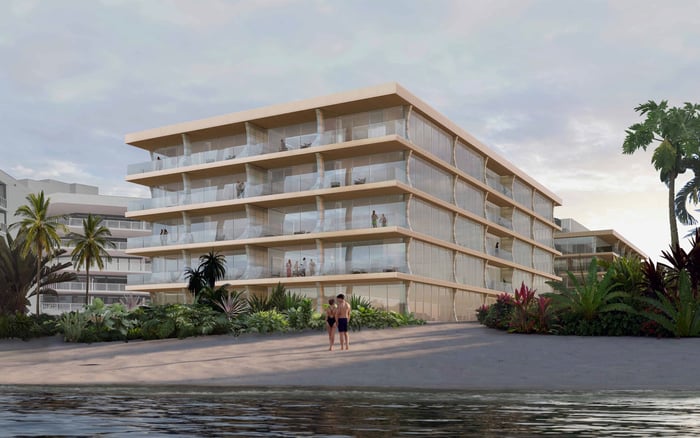
Project visits should be used as governance exercises, not only aesthetic tours. Walking through Alba West Palm Beach, for example, can help a family test how a residence might function for alternating use by parents, children and guests. Touring Forté on Flagler West Palm Beach may raise different questions about arrival patterns, service expectations and how visible the family wants to be in daily life.
The title structure of a Florida residence should never be an afterthought. Families often need to weigh personal ownership, trust ownership, company ownership, marital considerations, succession objectives, financing preferences and privacy concerns. The correct structure depends on the family’s facts and should be reviewed by counsel familiar with both sides of the Atlantic.
The governance point is clear: ownership should reflect the intended use of the home. If the parents are acquiring the property for their own seasonal use, one structure may be appropriate. If the goal is to create a multigenerational family asset, the documents may need to anticipate children, spouses, grandchildren, future sales, voting rights and maintenance obligations. If the home is expected to sit within a broader family-office framework, reporting and decision authority should be integrated from the start.
A discreet family agreement can sit beside the legal structure. It may address scheduling, permitted guests, pet policies, staffing, art and valuables, renovations, hurricane-season protocols, insurance coordination, and approvals for major expenditures. These provisions are not glamorous, but they preserve harmony.
High-net-worth families sometimes spend months negotiating price and only minutes discussing use. That is backwards. The emotional value of a Florida home comes from who gets to enjoy it, when they may enjoy it, and under what rules.
A Madrid family with several adult children may need a calendar protocol that avoids quiet resentment. Priority weeks should be defined. Holidays should be rotated. Notice periods should be respected. If one family branch uses the residence more often, the family should decide whether that has any financial consequence or whether equal access remains the guiding principle.
Guest rules deserve particular care. Florida hospitality is generous, but family homes can become social platforms if boundaries are loose. Some families prohibit unaccompanied guests. Others allow trusted friends but require advance notice. Staff should not be asked to interpret family politics. A clear use policy protects both privacy and service quality.
For families drawn to waterfront living, view, access and exposure can become part of the governance conversation. A residence such as Shorecrest Flagler Drive West Palm Beach may prompt questions about how often the family will host, how formal the service model should be, and whether the home is intended to feel like a private residence or a polished receiving space.
The purchase price is only the first line in the family ledger. A Florida home can involve property taxes, insurance, condominium assessments, maintenance, staffing, security, utilities, landscape care, club life, travel logistics, vehicles, storage, art handling and periodic renovations. The governance question is who approves these expenses and how they are funded.
Families should consider creating an annual property budget with decision-making thresholds. Routine expenses can be handled by a designated manager. Larger capital projects may require approval from parents, a family council or a nominated representative. If the property is owned for multiple branches, contributions should be defined in advance to avoid informal and unequal arrangements.
Insurance deserves particular attention because the family should understand not only cost, but responsibility. Who maintains coverage? Who reviews limits? Who inventories valuable contents? Who coordinates after a storm or water event? A residence that feels effortless during a February visit still requires year-round stewardship.
A condominium can simplify some aspects of ownership. It may provide building management, shared amenities, controlled access and a more predictable lock-and-leave experience. It can also impose association rules, renovation approvals, pet policies, rental restrictions and communal decision-making. For a cross-border family, that discipline may be attractive or limiting, depending on temperament.
A single-family estate offers autonomy, privacy and greater control over architecture, staffing and outdoor life. It also places more operational responsibility on the owner. Security, maintenance, vendors, storm preparation and repairs become more personal. Families coming from Madrid should be honest about how much oversight they want from afar.
This is why side-by-side touring matters. Comparing Palm Beach Residences with a West Palm Beach condominium option can clarify whether the family values independent identity or managed simplicity. The best answer is not universal. It is the answer that matches the family’s governance capacity.
A Florida home often becomes symbolic. Children remember it as the place where cousins gathered, grandparents hosted, and the family established an American rhythm. That symbolism is powerful, but it can complicate succession if documents and expectations are vague.
Madrid-based families should discuss how spouses are treated, whether the home is intended to remain within a bloodline, how future partners may use the property, and what happens upon divorce, death or relocation. These are delicate issues, best handled privately and professionally. Silence does not make them disappear. It simply transfers the conversation to a more difficult moment.
The next generation should also understand stewardship. If the family expects adult children to inherit the home, they should be educated on operating costs, insurance, taxes, staffing and local obligations. A beautiful Florida residence can become a burden if heirs receive keys without context.
A refined acquisition requires coordination. The family’s Madrid advisers, Florida counsel, tax professionals, estate planners, insurance advisers, lender, property manager and real estate adviser should understand the same objective. Fragmented advice can produce elegant documents that fail in practice.
The family should appoint one internal decision-maker. That person does not need to control everything, but someone must manage questions, approvals, signatures and timing. Without a clear point of contact, even a straightforward purchase can become slow and emotionally expensive.
Discretion is also part of governance. Communications should be limited, documents organized, and property visits planned with care. The family’s identity, travel schedule and internal arrangements should not circulate casually. In the ultra-premium market, quiet execution is a form of value.
Should a Madrid family decide ownership structure before choosing a home? Yes. The intended ownership and family-use model can influence the type of property, financing, privacy planning and closing process.
Is a Florida home mainly a lifestyle decision or a governance decision? It is both. The lifestyle appeal is clear, but the long-term success of the purchase depends on rules, roles and expectations.
Should adult children have automatic use rights? Not necessarily. Access should be discussed openly and documented so family members understand priority periods, guest rules and responsibilities.
Can one family branch use the home more than another? Yes, if the family agrees. Unequal use should be addressed in advance to avoid resentment or confusion over expenses.
Is a condominium easier for cross-border ownership? It can be easier operationally, but association rules and shared governance must be reviewed carefully before purchase.
Is a single-family estate better for privacy? It may offer more autonomy, but it also requires more direct oversight, staffing and year-round maintenance planning.
Should the home be available for rentals? That depends on the family’s privacy goals, ownership structure and property rules. Many families decide this before touring.
Who should manage the property when the family is in Madrid? A designated property manager or trusted local representative should handle routine oversight, vendors and urgent issues.
How should major renovations be approved? The family should set financial thresholds and define who can approve design changes, capital expenses and timing.
When should advisers become involved? Advisers should be engaged before an offer is made, so legal, tax, estate and governance issues are aligned from the beginning.
For a tailored shortlist and next-step guidance, connect with MILLION.
If branded residences are on your mind — as a home or as an allocation — we would be glad to share what we are seeing, privately.
Begin a quiet conversation