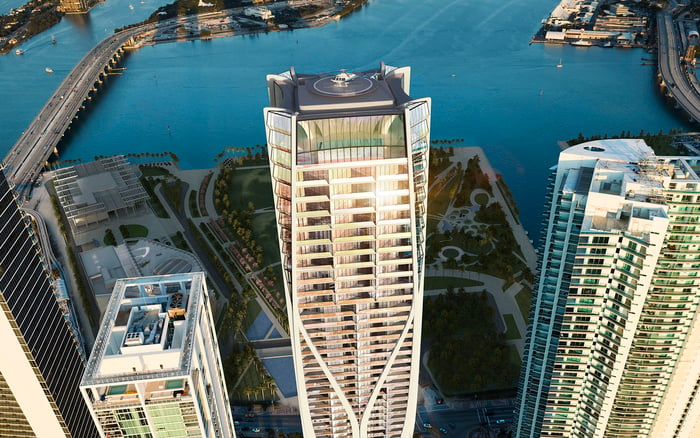
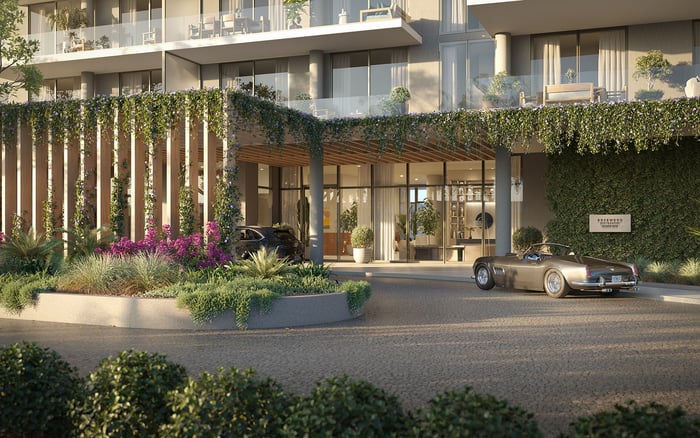
Bal Harbour offers a compact coastal routine, but a family office should underwrite the exact residence, school itinerary, driver coverage, and FBO transfer before treating a Los Angeles relocation as a simpler operating model.
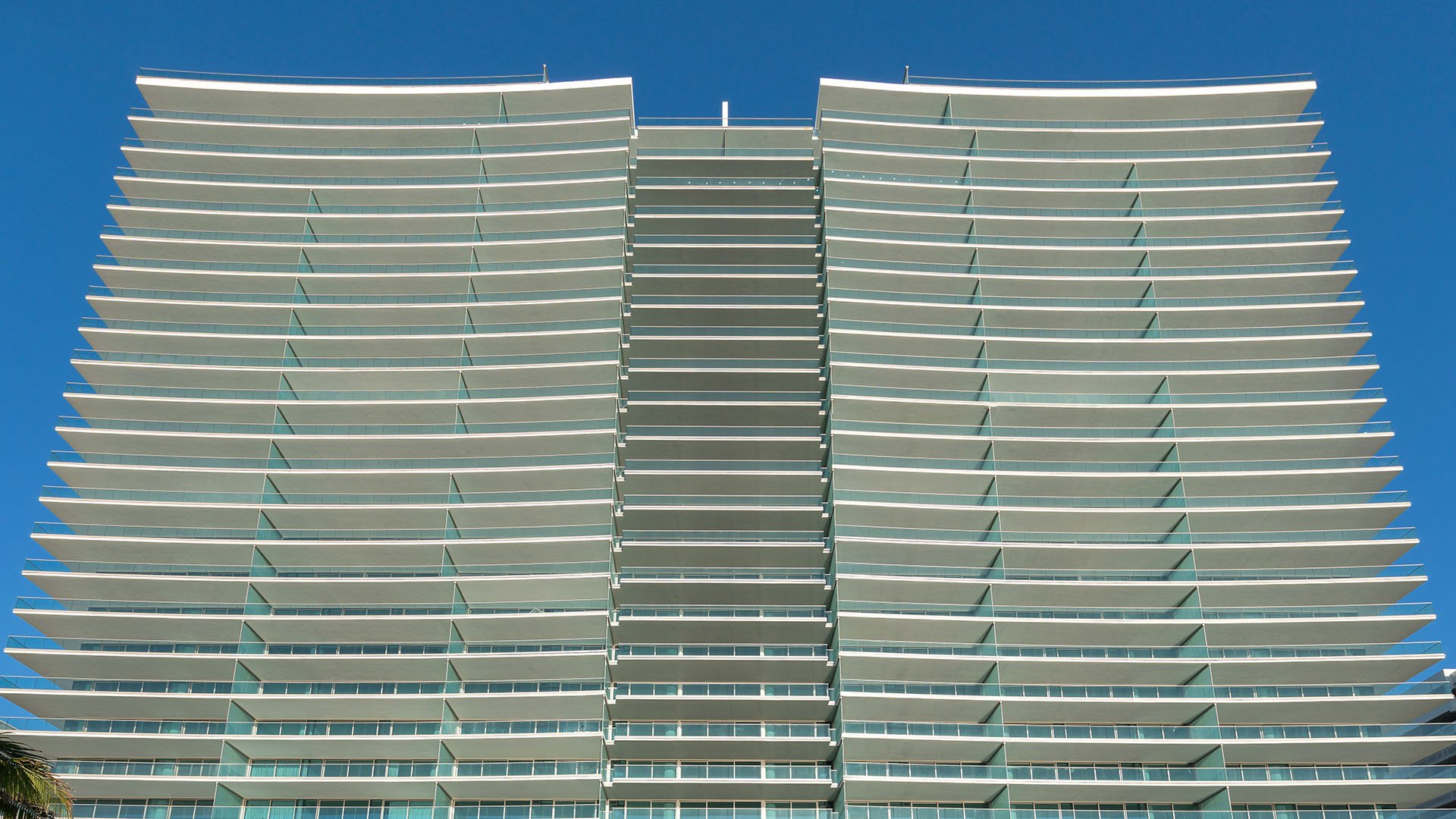
For a Los Angeles family considering Bal Harbour, the most consequential relocation question is not whether the setting feels more compact. It is whether the household’s actual week becomes easier to manage. Beach access, shopping, and nearby dining can create a remarkably contained routine. School departures, regional appointments, and private flights follow a different transportation map.
Bal Harbour occupies roughly one square mile on a barrier island between the Atlantic Ocean and Biscayne Bay, immediately north of Miami Beach. That scale supports its appeal, but it does not make every obligation local. A family office should distinguish discretionary trips from scheduled commitments before selecting a residence or revising chauffeur coverage.
The acquisition brief should therefore include two parallel assessments: how comfortably the family can enjoy the immediate neighborhood, and how reliably it can leave it. The best fit is the address that serves both, not necessarily the one with the most persuasive walkability headline.
Bal Harbour’s pedestrian appeal centers on oceanfront living, beach access, Bal Harbour Shops, and nearby restaurants. That does not mean every household errand is within walking distance. A walkability figure of 80 associated with 9700 Collins Avenue, for example, describes an address rather than the entire village. Broader ratings can suggest a different picture without resolving a particular family’s needs.
For a residence under consideration at Oceana Bal Harbour, commission a practical walking audit rather than applying a neighborhood impression to the building. Start at the entrance the family would actually use. Walk to intended destinations, assess crossings, and repeat the exercise at the hours those trips would occur.
Apply the same discipline when evaluating Rivage Bal Harbour. Focus on the proposed household routine: which outings could genuinely happen on foot, which would still require a vehicle, and whether every family member would find those routes comfortable. These are diligence questions, not assumptions about either property’s services or access.
A more walkable leisure routine may reduce some short transfers. It does not establish a measurable reduction in chauffeur mileage relative to Los Angeles, nor does it automatically justify a smaller transport team. Collins Avenue and the Broad Causeway remain important connections between the village, neighboring coastal communities, and the mainland.
Build the staffing model around overlapping commitments. A school pickup, a principal’s appointment, and an airport departure may require separate arrangements even when lunch and evening shopping are walkable. Before reducing coverage, determine which trips are flexible and which cannot shift without disrupting another person’s day.
The free, app-based Freebee service operates seven days a week, with connections including Bal Harbour Shops, Surfside Publix, Bay Harbor’s Kane Concourse, and Haulover. Confirm current coverage and operating details before incorporating it into household plans. It may complement local mobility, but should not be treated as guaranteed capacity for a time-critical school or aviation transfer.
Schools are outside Bal Harbour itself. That distinction matters more operationally than the proximity of a favorite restaurant. Ruth K. Broad Bay Harbor K-8 Center in neighboring Bay Harbor Islands serves Bal Harbour residents, while Miami Beach Senior High is another public-school option outside the village’s immediate walking core. Confirm current assignments and eligibility directly before acquisition.
Private-school possibilities include Scheck Hillel Community School, Miami Country Day School, Lehrman, and The Cushman School. Their inclusion in a search should not imply admission, transport availability, or an interchangeable commute. Select the likely school first, then test its actual arrival and dismissal requirements against the residence.
If the search expands to Bay Harbor Towers, compare the resulting school itinerary with the Bal Harbour alternatives rather than assuming a neighboring address solves it. Add extracurricular destinations and different dismissal times for siblings. The shortest-looking route may not produce the simplest household schedule.
Indicative road estimates place Miami International Airport approximately 20-30 minutes from Bal Harbour and Fort Lauderdale-Hollywood International Airport approximately 25-35 minutes away. These are orientation figures, not dependable residence-to-FBO operating times. Other estimates put trips to Miami International, Downtown Miami, or Brickell at around 25-30 minutes, depending on traffic, reinforcing the need for route-specific testing.
For private aviation, the useful endpoint is the selected fixed-base operator, or FBO, rather than an airport label. Ask the aviation team and driver to establish the actual access point, arrival requirements, and contingency allowance. Include the time between leaving the residence and beginning the road journey, rather than measuring only the drive.
Model outbound and inbound transfers separately. A departure with children and luggage follows a different sequence from a principal’s return alone. The family office should agree on pickup procedures and backup arrangements, then test the preferred route during relevant travel periods. A promotional airport estimate should never become the calendar’s default transfer block.
Los Angeles offers a useful reminder that airport choice and residential location must be considered together. Van Nuys Airport is approximately 15 miles from Beverly Hills and 20 miles from Downtown Los Angeles. Ontario International Airport is approximately 38 miles from Downtown Los Angeles. Those distances illustrate geographic tradeoffs; they do not establish comparable journey times.
There is no sound basis here for claiming that Bal Harbour delivers a specific private-aviation time saving over Los Angeles. Compare the existing California residence and preferred FBO with the proposed Florida residence and selected FBO, using equivalent departure windows and household requirements.
For a coastal alternative such as The Surf Club Four Seasons Surfside, repeat the full exercise. Surfside’s place on the shortlist should trigger a fresh route assessment, not the automatic reuse of a Bal Harbour transfer assumption.
Before approval, give decision-makers a compact operating brief: verified walking routes, confirmed school arrangements, tested school-run windows, regional appointment patterns, and a residence-to-FBO plan. Keep observed journey times separate from estimates, and record which obligations require dedicated coverage.
The objective is not to eliminate driving. It is to reserve the car for journeys that genuinely need it while preserving the freedom of a compact coastal routine. For a family office, that distinction turns lifestyle appeal into a residence the household can use with confidence.
Explore residences through MILLION with the household’s daily routes, school commitments, and aviation requirements at the center of the search.
If branded residences are on your mind — as a home or as an allocation — we would be glad to share what we are seeing, privately.
Begin a quiet conversationBeach access, shopping, and nearby dining can support a walkable routine. Schools, regional appointments, and airport transfers still require separate transportation planning.
No. The figure is associated with 9700 Collins Avenue, so it should not be applied to every residence in the village.
Ruth K. Broad Bay Harbor K–8 Center in neighboring Bay Harbor Islands is identified as serving residents. Confirm current assignment and eligibility directly before relocating.
Options include Scheck Hillel Community School, Miami Country Day School, Lehrman, and The Cushman School. Admissions and transport arrangements require separate confirmation.
Not solely because local leisure trips become walkable. Coverage should reflect overlapping school, appointment, and airport obligations.
An approximate road estimate is 20–30 minutes, with traffic affecting the journey. This is not a confirmed residence-to-FBO transfer time.
An approximate road estimate is 25–35 minutes. Test the route to the actual terminal or selected FBO before using it for scheduling.
It may complement local travel, subject to confirmation of current service details. It should not be assumed to provide guaranteed capacity for time-critical movements.
No standardized comparison establishes that conclusion. Compare actual residences, selected FBOs, travel windows, and household requirements.
Include walking routes, confirmed school arrangements, tested school-run windows, regional travel needs, and a residence-to-FBO plan. Distinguish observed journey times from estimates.