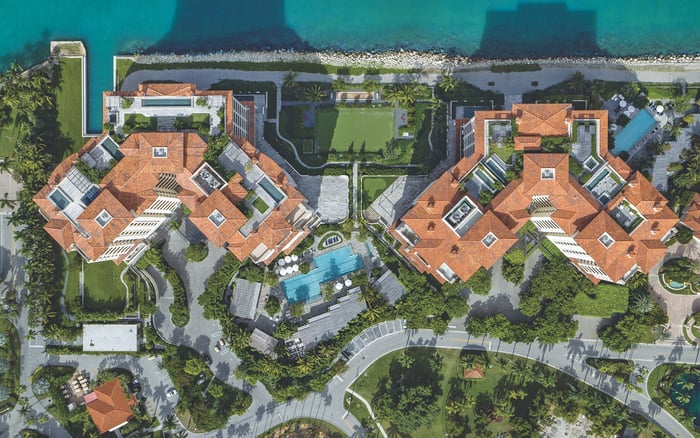
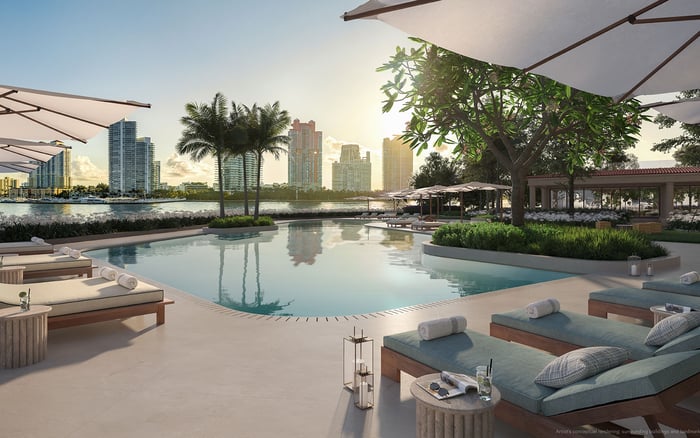
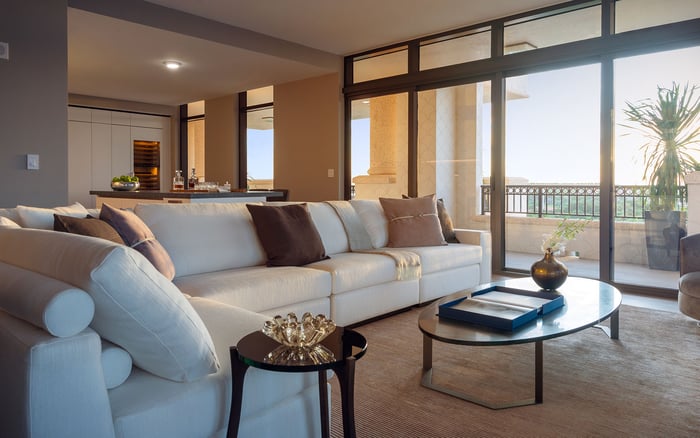
At Palazzo del Sol, the right line is not simply the one with the broadest view. Orientation, acoustic conditions, solar exposure, terrace comfort, sightlines, and view protection should all influence both residence selection and offer strategy.
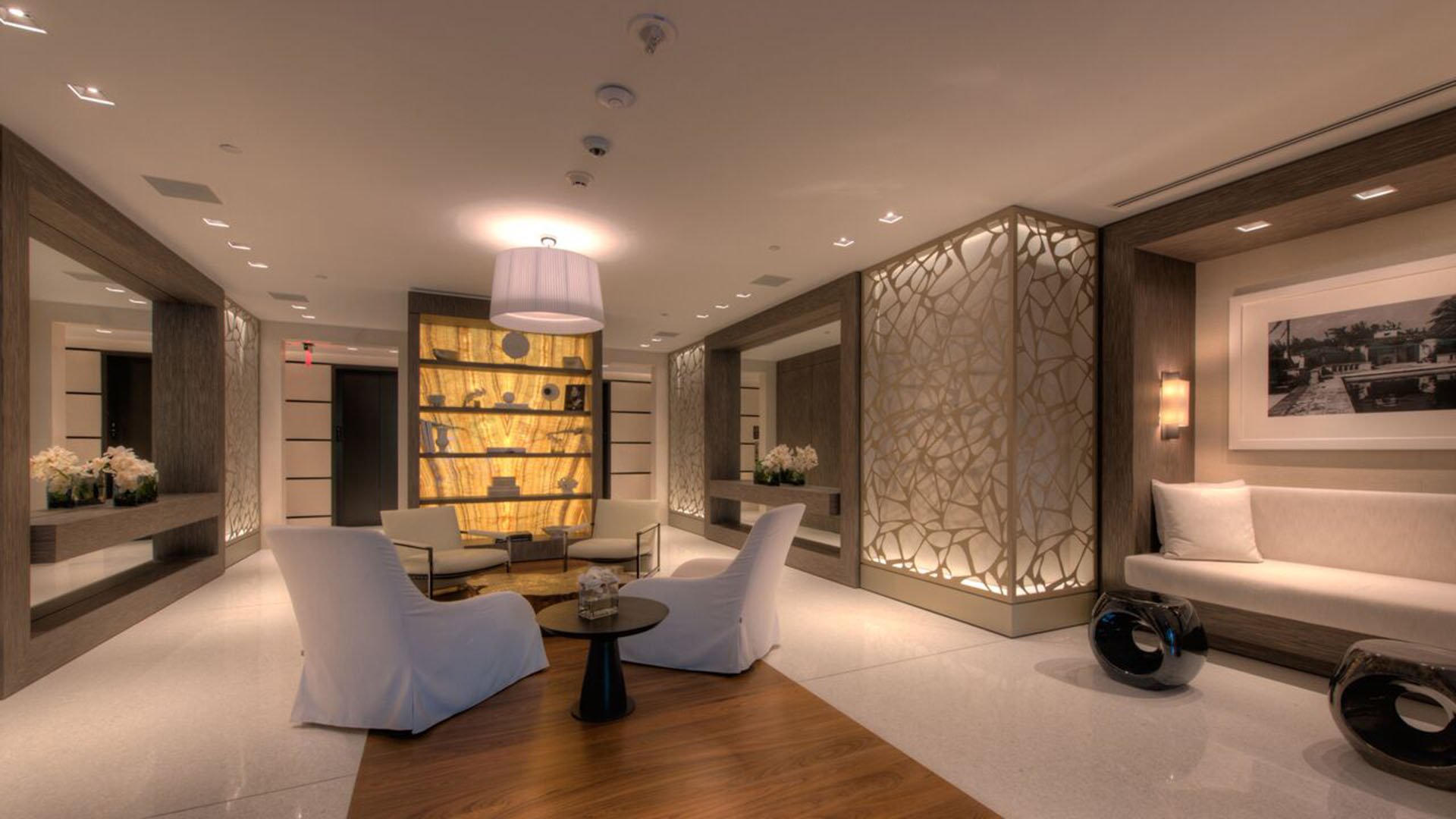
At Palazzo del Sol, an ultra-luxury waterfront condominium on private Fisher Island in Miami Beach, two residences of similar scale can offer meaningfully different experiences. The distinction begins with orientation. Outlooks may encompass Government Cut, the Atlantic Ocean, Fisher Island’s marina, and the Miami and South Beach skylines, but a view’s value extends well beyond its headline direction.
Large terraces and expansive glazing make the characteristics of each line unusually consequential. Sunlight, wind, marine activity, neighboring sightlines, and evening privacy can shape the interiors as much as the outdoor spaces. A disciplined buyer evaluates the residence as a complete sensory environment, then translates its lasting advantages and measurable compromises into the offer.
A broad panorama may command attention during a showing, yet the strongest view premium belongs to an outlook that remains compelling from the rooms used most often. Assess it at seated eye level from the living room, primary bedroom, kitchen, and terrace rather than relying on the first impression at the glass. Consider whether the composition offers depth, movement, skyline interest, open water, or only a limited oblique angle.
Protection is equally important. Landscaping, nearby buildings, and future development can alter a corridor that appears open today. Before assigning a premium, verify the outlook through current surveys, public records, condominium documents, and nearby development plans. Buyers comparing Palazzo della Luna or The Residences at Six Fisher Island should apply the same principle: purchase the verified durability of the view, not merely its presentation on showing day.
Fisher Island’s resort-like calm does not make every exposure acoustically identical. Government Cut and the surrounding waterways can introduce marine-traffic noise, while ferry operations, amenity areas, active circulation routes, elevators, corridors, mechanical equipment, and neighboring residences may create more localized sound.
Visit at multiple times, including periods when the island and waterways are active. Listen with the terrace doors open and closed, pausing in bedrooms as well as entertaining spaces. Hard finishes and open plans can make intermittent sounds more noticeable. Examine building systems, elevator relationships, and the spaces above and below the candidate residence. A beautiful line with recurring noise may still be desirable, but the price should reflect that condition rather than overlook it.
Solar orientation shapes afternoon heat gain, glare, air-conditioning demand, terrace comfort, and the hours when individual rooms feel most inviting. A luminous afternoon exposure may complement one owner’s schedule while proving less comfortable for another. Assess screens, furnishings, artwork locations, and work surfaces under actual daylight rather than assuming window treatments will resolve every issue.
Wind warrants equal attention. Prevailing breezes can improve comfort, while a highly exposed terrace may become less usable in stronger conditions. Test several points across the outdoor area, particularly the dining and seating zones. A comparative visit to The Links Estates at Fisher Island can clarify whether a buyer truly prefers condominium elevation and exposure or a different relationship with the island landscape.
Begin with terrace-to-terrace sightlines and visibility from neighboring buildings, pools, or shared amenities. Repeat the exercise after sunset, when illuminated interiors behind expansive glazing may become more exposed. Stand where furniture is likely to be placed, then look both outward and back toward the rooms.
Next, assess acoustic privacy in relation to residences above and below, corridors, elevators, public spaces, and building systems. Finally, study the arrival sequence. Elevator programming, entry configuration, and direct sightlines into living areas determine how private a home feels before anyone reaches the terrace. The best line is not necessarily the most isolated, but its privacy conditions should align with the owner’s expectations.
A premium is most defensible when several durable advantages converge: a protected, well-composed view; comfortable solar exposure; usable outdoor space; low noise; and strong privacy. One exceptional feature should not automatically outweigh several daily compromises.
Build comparisons by line, floor, renovation quality, and view rather than relying solely on price per square foot. Separate correctable conditions, such as certain interior treatments, from fixed characteristics, including orientation, neighboring sightlines, circulation adjacency, and an exposed view corridor. Document each issue after repeat visits, estimate its effect on enjoyment and future marketability, and allow the offer to reflect the complete balance.
Schedule morning, afternoon, and evening visits whenever possible. Open and close doors, sit in the primary rooms, walk the full terrace, observe marine traffic, and listen near entries and bedroom walls. Review view protection and nearby plans with qualified advisers. This scrutiny is especially important in the resale market, where finishes may attract immediate attention while the line’s permanent attributes ultimately carry greater weight.
What is the first factor to assess when choosing a line at Palazzo del Sol? Begin with orientation because it shapes the view composition, sunlight, wind, and relationship to surrounding activity.
Which view corridors may be available? Potential outlooks include Government Cut, the Atlantic Ocean, Fisher Island’s marina, and the Miami and South Beach skylines.
Is the widest view always the most valuable? No. Protection, room-by-room visibility, privacy, glare, and long-term durability can matter more than width alone.
How can a buyer evaluate view protection? Review current surveys, public records, condominium documents, landscaping conditions, and nearby development plans before pricing a premium.
When should noise be tested? Visit at multiple times of day and listen with exterior doors both open and closed.
What noise sources deserve particular attention? Consider marine traffic, ferry activity, amenities, elevators, corridors, mechanical systems, circulation routes, and neighboring residences.
Why does solar exposure matter to an offer? It can affect heat gain, glare, cooling demand, terrace comfort, and how rooms function throughout the day.
Can wind be considered an advantage? Yes. Breezes may improve comfort, although stronger exposure can reduce outdoor usability in windy conditions.
How should privacy be evaluated after dark? Turn on the interior lighting and inspect visibility from neighboring terraces, buildings, pools, and shared areas.
What conditions justify a line premium? A premium is strongest when protected views, comfortable exposure, low noise, usable outdoor space, and privacy reinforce one another.
For a tailored shortlist and next-step guidance, connect with MILLION.
If branded residences are on your mind — as a home or as an allocation — we would be glad to share what we are seeing, privately.
Begin a quiet conversation