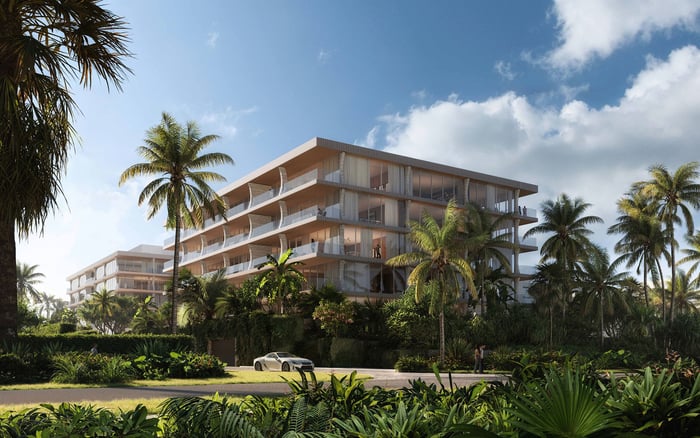
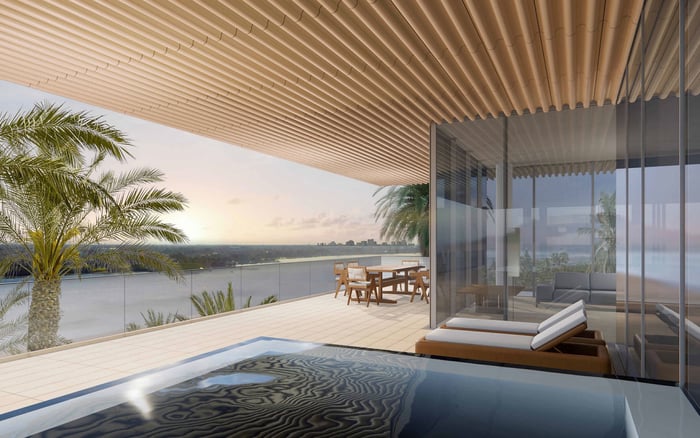
For buyers planning a Palm Beach residence around Formula 1 travel and boat-show activity, the strongest strategy emphasizes route simplicity, flexible airport timing, disciplined driver staging, and a home that supports both privacy and efficient event-day movement.
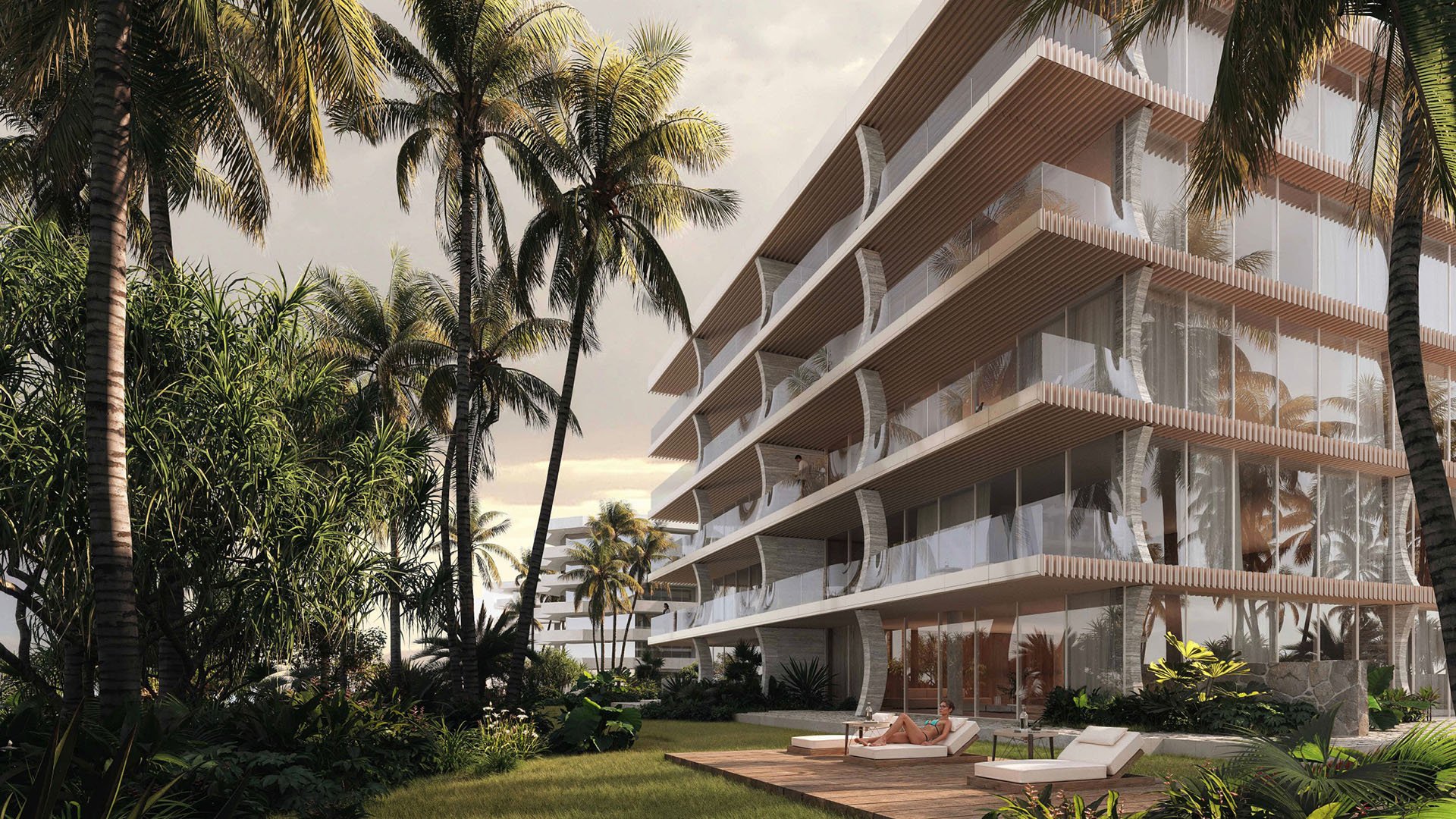
Leaving Austin for Palm Beach calls for more than a change of address. For a household balancing Formula 1 travel with boat-show plans, the residence should support coordinated airport transfers, guest arrivals, driver handoffs, schedule changes, and private time between events.
The selection process should therefore extend beyond views and finishes. Buyers can assess how easily principals, guests, staff, and vehicles move through a typical event day. A residence that supports a clear arrival sequence and multiple transportation options may be more useful than one chosen primarily for perceived proximity.
A Formula 1 itinerary can encourage a useful planning habit: establish generous margins and avoid depending on a single route or departure window. In Palm Beach, that discipline can be adapted to a more locally focused residence strategy without assuming that the same procedures apply.
Create primary and backup plans for airport transfers, event drop-offs, and returns to the residence. Confirm arrangements close to the travel date, since conditions and schedules can change. Fixed drive-time assumptions should not substitute for live coordination with the relevant airport, event, transportation provider, or building team.
The right location depends on the household’s actual sequence of movements. An island-oriented routine may prioritize privacy and a particular residential setting, while a West Palm Beach routine may place different weight on event access, guest collection, and vehicle repositioning.
Use Palm Beach Residences as one comparison point, then assess it against West Palm Beach options such as Forté on Flagler West Palm Beach and Shorecrest Flagler Drive West Palm Beach. The comparison should focus on operational fit rather than an unsupported promise of faster travel.
For another branded-residence perspective, review The Ritz-Carlton Residences® West Palm Beach within the same framework. Building access, guest procedures, vehicle handoff, privacy, and household preferences should all be verified directly before a decision.
A concise driver brief can identify the intended drop-off point, an alternate meeting place, the responsible contact, and the trigger for pickup. This reduces ambiguity without relying on speculative curb waits or unverified traffic predictions.
When principals, guests, and staff follow different schedules, separate movements may be easier to manage than one tightly linked convoy. Pickup instructions should be confirmed in real time, and the plan should leave room for an event appointment or airport schedule to shift.
Airport strategy should be based on current, directly verified conditions rather than assumptions carried over from another city or event. The household team can confirm flight details, ground-transport arrangements, luggage requirements, and building access before each movement.
A resilient plan includes adequate margin, a backup vehicle arrangement, and a clear communication chain. The objective is not to promise speed; it is to preserve composure when timing changes.
Before selecting a Palm Beach residence, score each option against the same practical criteria: privacy, building arrival procedures, guest handling, vehicle access, backup transportation choices, and compatibility with the household’s preferred event rhythm. This creates a more useful comparison than straight-line distance alone.
The final choice should reflect how the residence performs across ordinary days as well as high-demand occasions. Event logistics can shape the shortlist, but long-term comfort and household priorities should remain central.
How should Formula 1 travel influence a Palm Beach residence strategy? Use it as a reminder to plan early, preserve timing margins, and maintain backup transportation options without assuming identical local conditions.
Should buyers rely on published drive times during major events? No. Travel conditions can change, so buyers should verify current information and prioritize route flexibility.
Is an island residence automatically the best choice for boat-show plans? Not necessarily. The better choice depends on privacy preferences, guest movements, driver arrangements, and the household’s full itinerary.
Can a West Palm Beach residence simplify an event routine? It may suit some itineraries, but buyers should verify access, building procedures, and transportation arrangements for their specific plans.
What should be included in a driver brief? Include the intended drop-off point, an alternate meeting place, pickup instructions, key contacts, and a communication plan.
Why separate principal, guest, and staff transportation? Separate movements can provide flexibility when arrival times, appointments, or responsibilities differ.
How should airport timing be handled? Confirm current flight and ground-transport details directly, allow an appropriate margin, and maintain a backup plan.
Which building details matter for event logistics? Verify vehicle access, guest arrival procedures, handoff arrangements, privacy considerations, and communication protocols.
What is the best way to compare Palm Beach projects? Apply one scorecard covering household fit, privacy, access procedures, transportation flexibility, and everyday livability.
Should event access determine the entire purchase decision? No. Event-day operations are one factor alongside long-term comfort, privacy, service preferences, and the household’s broader South Florida routine.
For a confidential assessment and a building-by-building shortlist, connect with MILLION.
If branded residences are on your mind — as a home or as an allocation — we would be glad to share what we are seeing, privately.
Begin a quiet conversation