A practical comparison framework for buyers considering La Baia North and Mila in Bay Harbor Islands, focused on verifying access, staffing, storm procedures, insurance, association finances, leasing rules, and responsibilities during extended absences.
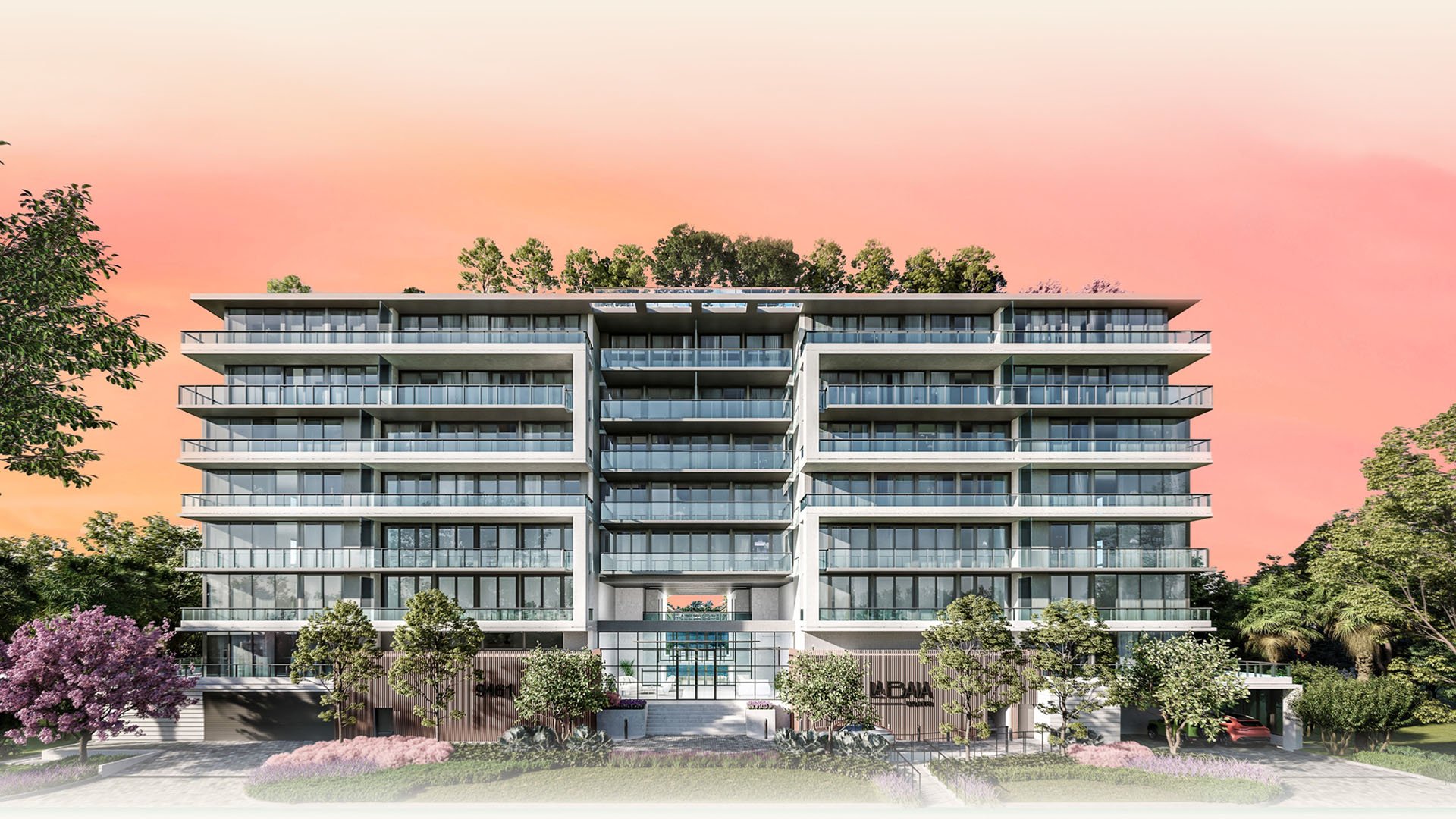
For buyers who spend extended periods outside South Florida, a residence must remain manageable while unoccupied. Lock-and-leave living generally describes the ability to arrive and depart with minimal friction, but it is not a standardized legal, operational, or service designation.
Buyers considering La Baia North Bay Harbor Islands or Mila Bay Harbor Islands should therefore verify how each property handles security, maintenance, authorized access, deliveries, emergencies, and extended owner absences. Marketing language should not replace written procedures or governing documents.
The right choice depends on how the residence will be used. A seasonal owner, frequent traveler, international buyer, or purchaser planning to lease the unit may have different priorities regarding staffing, access, storage, parking, vendor coordination, and emergency response.
Buyers should also distinguish privacy from service. A more intimate residential environment does not automatically confirm that staff will inspect a vacant unit, admit a contractor, accept a delivery, coordinate housekeeping, or prepare the residence for severe weather. Those responsibilities should be identified before signing a contract.
Ask for a written explanation of services covered by association fees and tasks that remain the unit owner’s responsibility. Important questions include who can enter during an emergency, how vendors are approved, whether remote authorization is permitted, how keys are secured, and what happens to packages during a long absence.
A separate property manager or home-watch provider may be necessary when the association does not handle in-unit inspections, contractor supervision, housekeeping coordination, or post-storm checks. Buyers should confirm whether outside providers are permitted and how they gain access.
For a broader comparison, buyers can apply the same checklist to Alana Bay Harbor Islands. Using consistent questions makes it easier to compare owner obligations without relying on assumptions.
A lock-and-leave plan should address severe-weather preparation, emergency communication, authorized entry, key custody, and post-event inspections. Buyers should determine what the association does for common areas and what must be arranged separately inside the residence.
Insurance review should include the association’s coverage summary, applicable deductibles, unit-owner coverage, and responsibility for interior improvements and personal property. A qualified insurance professional and attorney can help a buyer understand how the relevant documents apply to the intended ownership pattern.
Purchasers evaluating Onda Bay Harbor can use the same review process, especially when comparing storm procedures, insurance responsibilities, maintenance obligations, and access during an owner’s absence.
The declaration, current budget, reserve study, insurance summary, rules, leasing provisions, meeting records, and available disclosures can clarify how a condominium operates. Buyers should examine reserves, deductibles, possible assessment exposure, staffing arrangements, guest access, vendor policies, parking procedures, package handling, and restrictions affecting vacant residences.
Leasing rules also require careful review. Minimum lease periods, approval procedures, frequency limits, and other restrictions can affect an owner’s plans. Buyers should rely on current governing documents rather than assumptions about rental flexibility.
Amenities and absentee-owner support should be evaluated separately. When considering The Well Bay Harbor Islands, buyers should still confirm whether residence inspections, housekeeping coordination, storm preparation, or contractor supervision are included or require independent arrangements.
Before purchasing at La Baia North or Mila, buyers should create a written list of operational questions, compare the responses with the governing documents, and review personal insurance needs. The analysis should reflect expected visit frequency, the length of anticipated absences, possible leasing plans, and the level of third-party support the owner is prepared to arrange.
The central question is not whether a residence is described as convenient. It is whether the building’s documented procedures and the owner’s independent arrangements create a clear plan for periods when the home is vacant.
What does lock-and-leave mean in Bay Harbor Islands? It generally describes a residence that can remain unoccupied between visits, but it is not a standardized service or legal designation.
How should buyers compare La Baia North and Mila? Compare documented staffing, access, maintenance, emergency procedures, association finances, insurance responsibilities, and leasing rules.
Are in-unit property-management services included in association fees? Buyers must verify which services are included and which require a separate property manager or home-watch provider.
What access rules should an absentee owner review? Review policies for guests, vendors, emergency entry, remote authorization, key custody, deliveries, and access during extended absences.
Which storm procedures matter for a vacant residence? Confirm preparation responsibilities, emergency contacts, authorized entry, communication procedures, and post-event inspection arrangements.
What insurance information should a buyer examine? Review the association’s coverage summary, applicable deductibles, unit-owner coverage, and responsibility for interiors and personal property.
Which financial records are important? Examine the current budget, reserve study, available meeting records, insurance information, and potential assessment exposure.
Can an owner lease the residence while away? That depends on current leasing provisions, including approval procedures, minimum lease periods, frequency limits, and other restrictions.
Why might an owner need a home-watch provider? Independent help may be needed when the association does not perform in-unit inspections, coordinate vendors, or conduct post-storm checks.
What should a buyer confirm before signing? Obtain written answers, compare them with the governing documents, review insurance needs, and identify every responsibility that remains with the owner.
For a tailored shortlist and next-step guidance, connect with MILLION.
If branded residences are on your mind — as a home or as an allocation — we would be glad to share what we are seeing, privately.
Begin a quiet conversation