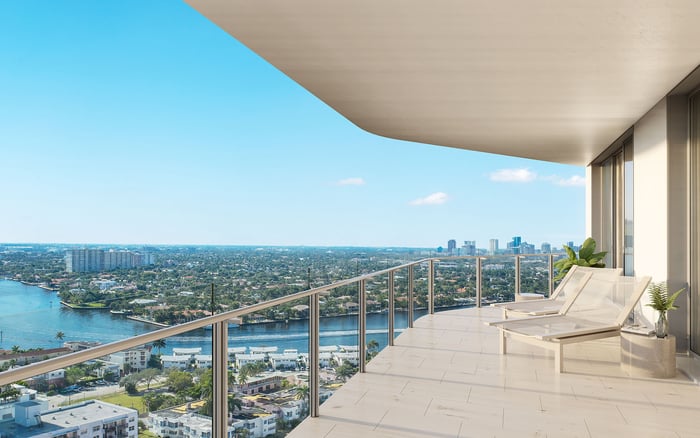
A disciplined review of wind, flood, deductible, and reserve exposure can clarify the potential carrying-cost profile of a luxury coastal condominium before purchase.

Insurance and reserve diligence is central to evaluating a luxury coastal condominium in Fort Lauderdale. A buyer should examine how responsibilities may be divided among the condominium association, its master policies, and the individual owner’s coverage.
For a buyer considering The Ritz-Carlton Residences® Fort Lauderdale, the objective is to understand potential exposure before contractual deadlines expire. Policy structure, deductibles, reserves, lender conditions, and governing documents can all influence carrying costs and liquidity planning.
Begin by confirming that every document applies to the residence and condominium under consideration. The contract, legal description, association materials, insurance records, and property information should refer to the same asset.
Ask the appropriate legal, insurance, lending, and inspection advisers to identify missing or inconsistent records. This step helps prevent a buyer from relying on policy or property information associated with a different building or ownership structure.
A premium alone does not describe the scope of insurance. Request the available declarations, limits, covered-property definitions, exclusions, endorsements, valuation terms, and deductible schedule. Then determine which building elements may be insured by the association and which improvements, contents, living expenses, or loss assessments may require owner coverage.
Wind-related diligence should identify any separate hurricane, named-storm, or windstorm deductible shown in the documents. If a deductible is percentage-based, the buyer’s advisers should establish the value to which that percentage applies and translate it into a potential dollar exposure.
The same document-based review is appropriate when comparing branded options such as Four Seasons Hotel & Private Residences Fort Lauderdale. Branding and service should not be treated as substitutes for reviewing insurance terms.
Deductible analysis becomes more useful when policy language is converted into owner-level scenarios. Buyers can ask how an association may address an uninsured amount and how the governing documents allocate shared costs.
Review several possible outcomes, including a loss below the applicable deductible, a covered loss above it, and a loss affected by an exclusion or coverage dispute. Compare those scenarios with the owner policy’s loss-assessment provisions and any event-specific limitations disclosed by the insurer.
This framework also applies when evaluating St. Regis® Residences Bahia Mar Fort Lauderdale. Similar positioning in the Fort Lauderdale luxury market does not establish that projects have similar policy terms, deductibles, reserves, or allocation provisions.
Flood and wind should be investigated separately because the relevant documents may assign different responsibilities, limits, exclusions, and deductibles. Ask whether the association maintains flood coverage, what property it addresses, and what supplemental coverage an owner may wish or need to discuss with an insurance adviser.
A property’s flood designation is only one diligence input. Buyers should also consider available policy terms, elevation documentation, lender requirements, association responsibilities, and owner-policy options. Written confirmation from the relevant professionals is preferable to relying on general sales discussions.
Reserve diligence should address both current funding and anticipated capital needs. Request the available budget, reserve schedule, studies, engineering materials, governing documents, and assessment disclosures. Review the assumptions used for useful lives, repair or replacement costs, contribution timing, and future funding.
For coastal property, ask whether the reserve plan meaningfully addresses the building systems and common elements identified in the available professional reports. A low initial contribution does not by itself establish that long-term costs are adequately funded.
Insurance and reserves should also be reviewed together. A large deductible, an excluded loss, or an underinsured component may place pressure on cash, reserves, borrowing capacity, or owner assessments, depending on the governing documents and circumstances.
Before the applicable diligence or cancellation period ends, assemble the available budget, reserve materials, insurance declarations, deductible schedule, governing documents, engineering records, and assessment or litigation disclosures. Legal counsel, an insurance adviser, the lender, and an inspector can then evaluate the materials within their respective roles.
The goal is not to predict a future event. It is to understand the documented allocation of risk, identify unresolved questions, and evaluate whether the potential exposure fits the buyer’s financial plan.
Why should insurance diligence begin with the property documents? The documents establish which condominium, association, and obligations are under review. They also help advisers identify missing or inconsistent information.
Which master-policy materials should a buyer request? Request the available declarations, limits, endorsements, exclusions, valuation terms, covered-property definitions, and deductible schedule.
Why does the deductible basis matter? A percentage deductible cannot be evaluated without knowing the value to which it applies. Translating it into a potential dollar amount makes the exposure easier to assess.
Should wind and flood be reviewed separately? Yes. The applicable policies may contain different limits, exclusions, deductibles, and allocations of responsibility.
What is loss-assessment coverage? It is an owner-policy feature that may respond to certain association assessments, subject to the policy’s terms, limits, exclusions, and event-specific restrictions.
Can branding confirm the quality of a condominium’s insurance? No. Buyers should review the actual insurance and association documents rather than infer coverage from a brand or service model.
What should a buyer examine in a reserve schedule? Review the listed components, projected timing, cost assumptions, contribution plan, and consistency with available engineering materials.
How can reserves and deductibles interact? Depending on the documents and circumstances, an uninsured amount may place pressure on association cash, reserves, borrowing, or owner assessments.
Who should review the diligence file? Legal, insurance, lending, and inspection professionals should assess the materials within their respective areas of expertise.
What is the objective of pre-purchase insurance diligence? It is to clarify documented responsibilities, quantify potential exposure where possible, and identify unresolved questions before contractual deadlines.
For a confidential assessment and a building-by-building shortlist, connect with MILLION.
If branded residences are on your mind — as a home or as an allocation — we would be glad to share what we are seeing, privately.
Begin a quiet conversation