The Berkeley Palm Beach is presented as a conventional luxury condominium, with no mandatory furniture package, hotel operator or centralized rental program publicly disclosed. Buyers should still resolve who owns any furnishings, who funds replacement and what transfers at resale before signing.
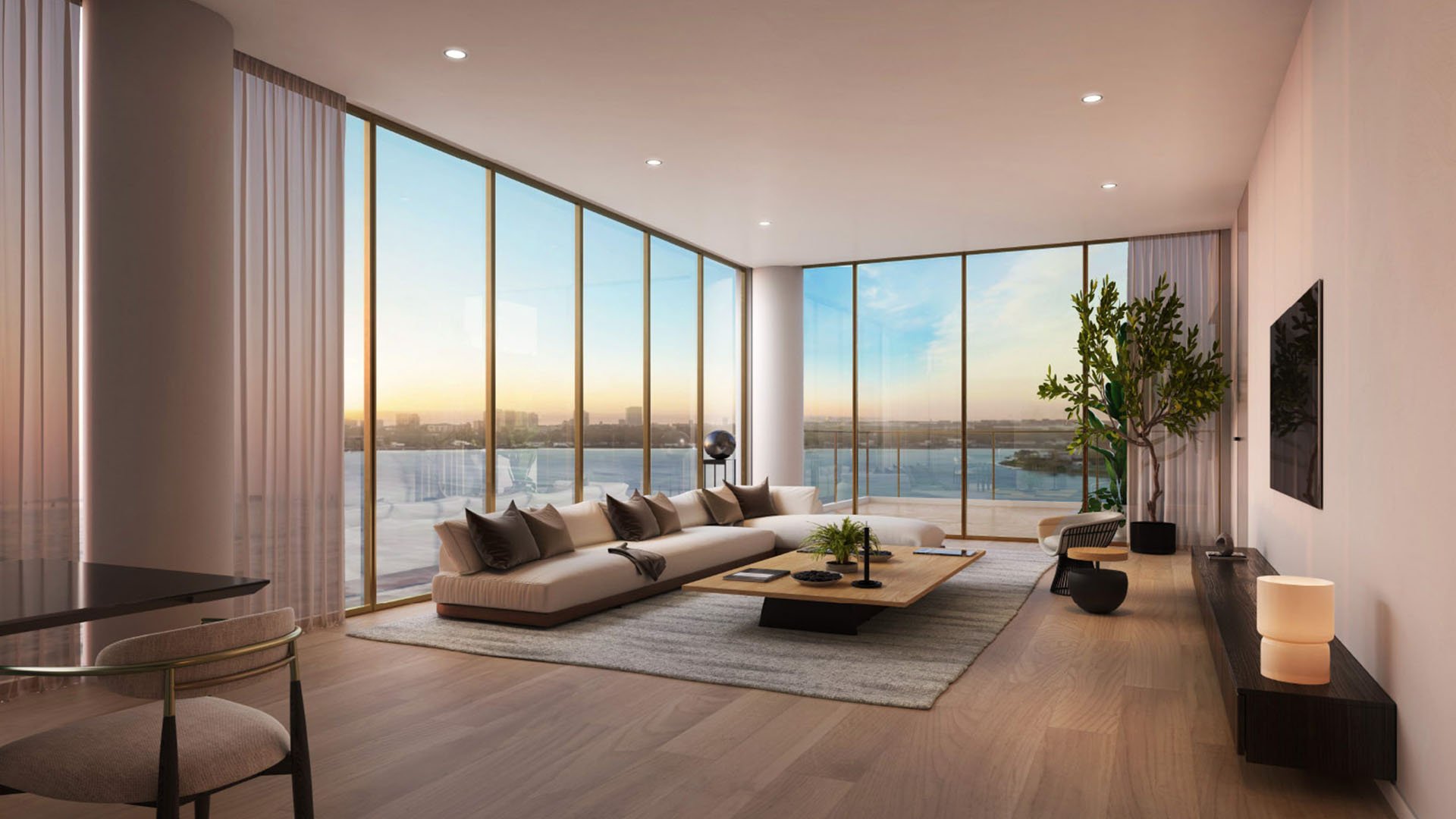
The Berkeley Palm Beach is presented as a luxury waterfront condominium rather than a hotel or condo-hotel. Planned for 500 South Australian Avenue in West Palm Beach, the 25-story development comprises 193 residences. The offering ranges from two to five bedrooms, with publicly marketed prices from $2 million to more than $10 million.
That positioning matters. In a conventional condominium, ownership generally centers on the residence and its appurtenant interests, as defined by the governing documents. A hotel-linked model can add another contractual layer involving an operator, rental participation, service standards and prescribed furniture, fixtures and equipment, commonly abbreviated as FF&E.
Current public materials for The Berkeley describe residences, finishes and amenities but do not disclose a mandatory furniture package, hotel operator or centralized rental program. The prudent conclusion is therefore narrow: furniture-package obligations remain due-diligence questions, not documented project requirements at this stage.
A furnished model is a design statement, not proof of what legally transfers with the residence.
The Berkeley's residential specifications establish a polished architectural baseline. Plans include private elevator vestibules, oversized balconies and configurations of up to five bedrooms plus flex space. Specified finishes include Snaidero cabinetry, European white-oak flooring, Sub-Zero and Wolf appliances, and integrated smart-home technology.
The amenity program includes a family-friendly seventh floor, a 15,000-square-foot adults-only rooftop, a boardroom and a dog run. These features help define the condominium experience, but they should not be conflated with movable contents inside an individual residence.
For Palm Beach buyers, the distinction is especially important during pre-construction. Renderings and furnished models convey scale, mood and potential placement. They do not, by themselves, establish that sofas, dining tables, art, rugs, lighting, bedding or outdoor furniture are included in the purchase price. Only the contract documents, specifications and any separate bill of sale can answer that question.
If a furniture package is offered, the first request should be a complete inventory. The schedule should identify every included item, its quantity and any relevant model, material, finish or substitution right. It should also distinguish built-in components from movable personal property.
Buyers should then determine how title passes. Furniture may transfer under a separate bill of sale, may be owned directly by the unit owner or, in some operator-controlled structures, may be governed by a participation agreement. The Berkeley has not publicly disclosed that type of operating structure, but these questions remain relevant whenever a furnished purchase is contemplated.
The purchase agreement should also state whether the package price is included in the residence price or treated as a separate capital investment. Complete packages can extend beyond furniture to art, accessories, bedding and housewares. Quotations may exclude window treatments, upgraded outdoor pieces, photography or other finishing elements, leaving additional owner-funded costs after closing.
This buyer's-guide principle is simple: never let the word “turnkey” substitute for a written, itemized description of what the buyer will own.
Furniture replacement is more than an aesthetic consideration. In a condo-hotel or managed rental model, eligibility for a rental program may depend on maintaining brand-standard FF&E and replacing worn or noncompliant items on a prescribed schedule. An owner's preference to retain, reupholster or remove a piece may be secondary to the operator's standards.
No such mandatory program is publicly disclosed at The Berkeley. Even so, a buyer considering future leasing should review the declaration, rules, purchase agreement, budget and any later rental addendum for approval rights, service requirements, licensing provisions and transfer procedures.
Coastal conditions warrant separate attention. Florida humidity and exposure can shorten the useful life of particleboard, unsealed wood, unsuitable fabrics and outdoor furniture not designed for a marine environment. Owners should ask who determines that an item has reached the end of its useful life, whether replacements must come from an approved vendor and whether equivalent alternatives are permitted.
Prospective purchasers comparing nearby choices such as Forté on Flagler West Palm Beach and Alba West Palm Beach can apply the same document-first discipline. The relevant answer lies in each project's contracts, not in assumptions based on a model residence or sales presentation.
A condominium budget may provide for common-property insurance, administration and reserves, while hotel or rental operations may allocate management, housekeeping, reservations, marketing, furniture, technology and service costs separately. Buyers should identify every payment stream rather than assume that one budget covers another.
Florida's structural reserve framework concerns major common-property components, not in-unit décor. Palm Beach County property-maintenance standards address habitability and sanitation but do not prescribe a private interior design package. Neither framework should be mistaken for a reserve that will replace an owner's sofa, terrace seating or window treatments.
A useful ownership forecast therefore includes a private FF&E budget. It should remain conceptually separate from association assessments and from any operator-imposed reserve that could arise under a future rental arrangement.
Resale is where ambiguous furniture language becomes tangible. A seller may expect to remove collectible pieces, while a purchaser may believe the staged contents are included. If a rental agreement exists, an operator may have separate standards for what must remain or be replaced before participation continues.
The contract should establish whether furniture transfers automatically with the residence, transfers only through a separate bill of sale or does not transfer at all. It should address the owner's right to remove or sell pieces separately, any approval requirements, the treatment of replacements and the effect of a residence sale on warranties or rental eligibility.
These points can influence both presentation and economics. A carefully furnished residence may create a compelling market impression, but legal transfer depends on written terms. Conversely, a standardized package with limited removal rights could constrain the next owner's design freedom even when the real estate itself transfers cleanly.
Buyers also evaluating The Ritz-Carlton Residences® West Palm Beach or Mr. C Residences West Palm Beach should resist applying one property's ownership assumptions to another. Without contractual language, branding, services and furnished presentation do not answer who owns individual FF&E.
Before committing, a buyer should obtain and reconcile the declaration, purchase agreement, exhibits, specifications, condominium budget and rules. If furnishings are offered, the file should also contain the inventory, package agreement, bill of sale, warranties, delivery terms and replacement provisions. Any rental addendum should be reviewed for furniture standards, fees, inspections, approval rights and transfer restrictions.
Counsel should confirm what constitutes real property, what constitutes personal property, when title and risk of loss pass, and whether substitutions are permitted before delivery. The buyer should also understand which obligations survive closing and which rights transfer to a future purchaser.
At The Berkeley, the available public positioning supports a conventional luxury-condominium reading. It does not support treating a mandatory furniture package as an established fact. For sophisticated buyers, that absence is a reason for neither concern nor complacency. It is a reason to make the final documents explicit.
For discreet guidance on South Florida luxury ownership and acquisition questions, connect with MILLION.
If branded residences are on your mind — as a home or as an allocation — we would be glad to share what we are seeing, privately.
Begin a quiet conversationNo. It is publicly presented as a luxury waterfront condominium rather than a hotel or condo-hotel.
No mandatory furniture package is disclosed in the reviewed public materials. Buyers should confirm the final position in their contract documents.
No. A furnished model illustrates a possible interior presentation but does not establish that its FF&E transfers with a purchase.
The purchase documents should identify the included items and explain whether title passes under the contract or through a separate bill of sale.
That right depends on the governing contracts. Buyers should obtain written confirmation of removal, separate-sale and transfer rights.
The documents should allocate replacement costs and decision-making authority. In-unit furniture is generally distinct from common-property reserve funding.
In an operator-controlled model, noncompliant furnishings can affect rental eligibility. No centralized rental program is publicly disclosed for The Berkeley.
No. The structural reserve framework concerns major common-property components rather than an owner's private furniture and décor.
Potential exclusions can include window treatments, upgraded outdoor furniture, photography and other finishing elements. An itemized schedule is essential.
Review the declaration, purchase agreement, exhibits, specifications, budget, rules and any furniture, bill-of-sale or rental addendum.