Aria Reserve’s waterfront condominium offering is documented, but its precise emergency-power coverage is not established by the available marketing materials. For buyers, the essential distinction is between advertised features, confirmed electrical loads, and ownership obligations that require governing-document review.
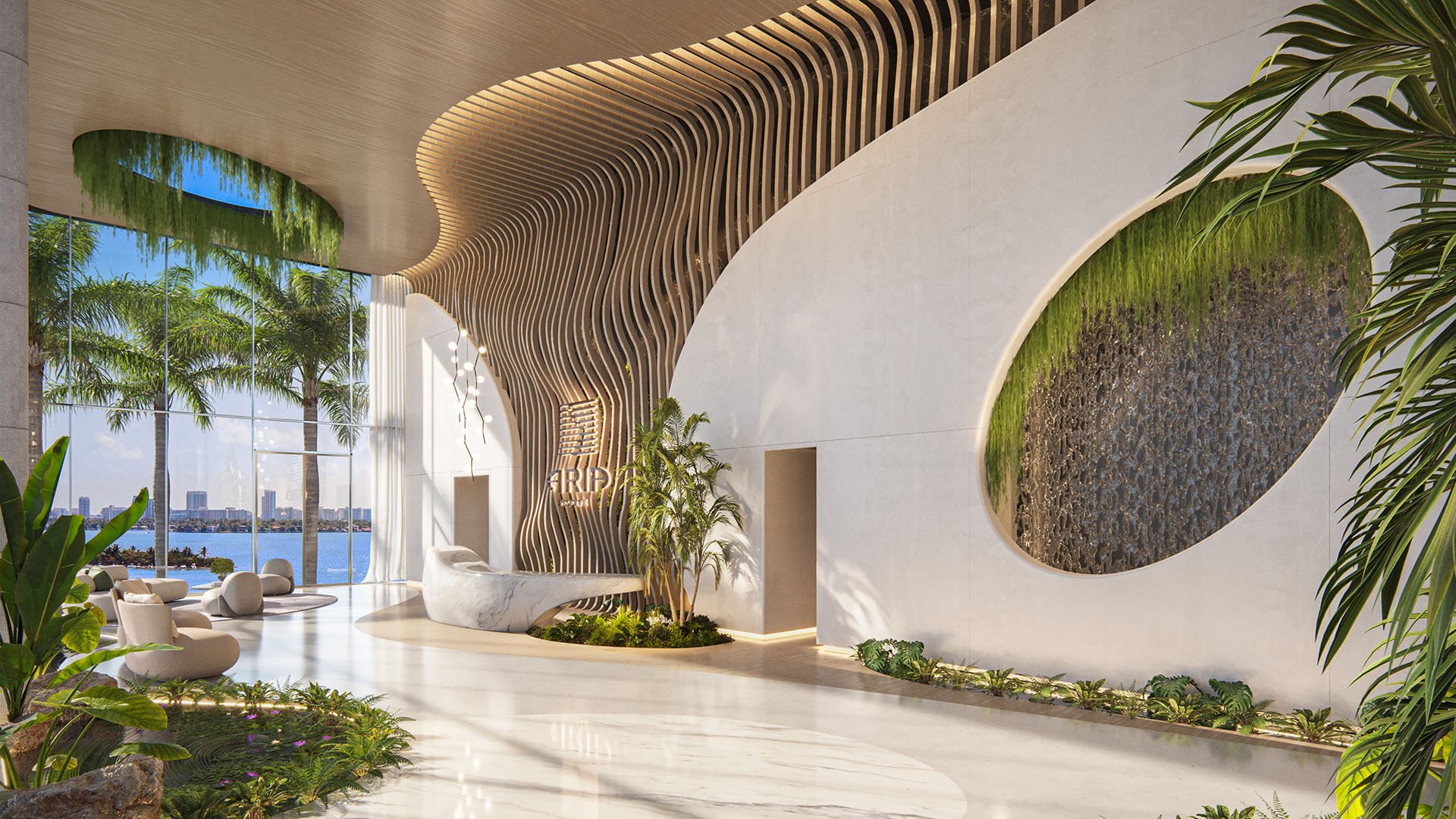
At Aria Reserve Miami, the appeal begins with a waterfront condominium setting in Edgewater and two 62-story towers developed by Melo Group. Yet a discerning purchase decision extends beyond views and amenities to a quieter question: what remains operational when utility power fails?
The precise answer remains unconfirmed. No generator-backed load schedule has been identified in the available information, leaving exact coverage inside residences and across common areas unresolved. That does not mean these spaces lack backup power. It means buyers should not mistake an advertised feature for an outage-performance commitment.
For ownership planning, separate three questions: which equipment receives emergency power, under what operating conditions, and who bears the associated obligations. Each deserves a written answer specific to the residence and tower under consideration.
Dedicated generator-backed outlets or other emergency-power circuits within individual units are not advertised. Backup coverage for in-unit air conditioning, refrigerators and general outlets therefore remains unconfirmed-not proven absent. A purchase evaluation should preserve that distinction rather than turn silence into reassurance or a negative finding.
Residences are described as offering space for an office, study or media room. That flexibility matters for daily living, but it does not establish that the room’s outlets, cooling or communications remain available during an outage. A home office and an outage-ready home office are different propositions.
Ask for a unit-specific explanation of any supported circuits. If selected outlets are backed up, request their locations and operating limits. If refrigeration is supported, establish which circuit serves it. If cooling is represented as available, clarify whether that means the whole residence, selected equipment or something more limited. These are questions to resolve, not established specifications for Aria Reserve.
For a buyer also considering EDITION Edgewater, the useful comparison begins with the same written, circuit-level inquiry at each property. Neither project’s residential positioning alone establishes its relative backup capability.
A Notifier NFS2-3030 Fire Alarm/Voice Communications System is identified for Aria Reserve. That equipment description is not a generator-backed load schedule and does not establish which other building systems receive emergency power.
The distinction matters because life-safety support and residential continuity are not interchangeable promises. As a separate comparison, an emergency generator is explicitly advertised at Selene Oceanfront Residences in Fort Lauderdale to support life-safety systems during a power outage. That wording does not promise full residential backup, nor does it establish anything about Aria Reserve’s design.
At Aria Reserve, emergency-power coverage for elevators, domestic water pumps and security equipment remains unresolved. Request the operating scope for each, including any service restrictions. The presence of a fire-alarm system is not confirmation that an elevator, water service or apartment appliance will operate during an interruption.
Aria Reserve’s amenity offering includes an entire floor devoted to sports, family activities, socializing, reflection and fitness. Pools and wellness facilities are also advertised. These features describe the lifestyle offering; they do not guarantee that the facilities remain operational during outages.
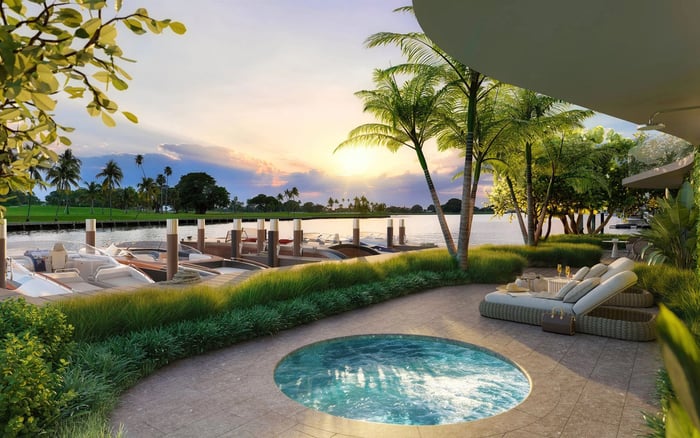
The South Tower’s advertised amenities include a waterfront restaurant and café, a baywalk, a semi-Olympic lap pool, a hot tub and a children’s splash area. Their inclusion does not establish emergency-power coverage. Neither residential nor amenity HVAC is promised as generator-backed in the available information.
For practical diligence, separate electrical support from permission to use a space. Ask whether the relevant equipment receives backup power, whether the facility would open during an outage, and what conditions could restrict access. A useful written response should address both equipment and operating policy, not offer a general assurance about amenities.
Covered parking, valet service and controlled access are advertised, but their outage capabilities remain unconfirmed. Garage gates deserve an explicit question, as do building entry procedures. Common-area Wi-Fi is advertised for the South Tower without an identified generator-backup commitment; it should not be treated as an established fallback for work or communication.
Aria Reserve’s condominium classification is established. Its project-specific allocation of emergency-power costs, maintenance duties and replacement obligations is not. Buyers should distinguish the engineering question of what works from the ownership question of who is responsible for it.
Request the applicable declaration, association documents, budget materials and maintenance provisions for professional review. The objective is to identify any relevant allocation among individual owners, tower-specific components and shared facilities, without assuming a particular arrangement exists. Two towers alone do not reveal how costs or responsibilities are divided.
New-construction buyers should also establish who can provide an authoritative written statement of operating coverage. Ask that each statement identify the tower, systems and conditions it addresses. A broad reference to emergency power is no substitute for an itemized description.
When evaluating Villa Miami alongside Aria Reserve, apply the same document-based standard. This is an ownership diligence framework, not a claim that the projects share engineering arrangements, service commitments or cost structures.
Generator capacity, fuel type, location, runtime and refueling arrangements remain unconfirmed for Aria Reserve. Do not assign a duration to backup service without a written specification and its underlying operating assumptions.
For a residence left unoccupied between visits, ask how management communicates service interruptions and what owner access or inspection arrangements are permitted. If refrigeration, cooling or connectivity is important to your use of the home, make those requirements explicit before relying on a continuity plan.
Do not substitute an improvised fuel-powered solution for confirmed building capabilities. Engine exhaust can cause carbon monoxide poisoning even when fumes cannot be smelled. Any personal backup proposal should receive appropriate building and qualified professional review rather than be assumed suitable for condominium use.
The decisive ownership standard is straightforward: obtain a written load schedule or equivalent system-by-system confirmation, clarify operating limits, and review the governing obligations. Until those answers are in hand, Aria Reserve’s emergency-power coverage should remain an open diligence item, not an inferred luxury amenity.
For a considered approach to South Florida condominium ownership, explore MILLION.
If branded residences are on your mind — as a home or as an allocation — we would be glad to share what we are seeing, privately.
Begin a quiet conversationThe available marketing materials do not establish an exact generator-backed load schedule. Residential and common-area coverage therefore remains unconfirmed, rather than proven absent.
Generator-backed residential HVAC is not promised in the available amenity materials. Buyers should request written confirmation specific to their residence.
The residence descriptions do not advertise dedicated generator-backed outlets or other emergency circuits. Refrigeration and outlet coverage require separate confirmation.
The brochure describes space for an office, study or media room but does not establish backup-power availability there.
No. The identified Notifier NFS2-3030 Fire Alarm/Voice Communications System is not a generator-backed load schedule and does not establish coverage for other equipment.
Emergency-power support for elevators and domestic water pumps remains unconfirmed. Buyers should request the operating scope and any restrictions for each system.
Their advertised availability does not establish outage operation. Common-area Wi-Fi is listed for the South Tower without an identified generator-backup promise.
Generator runtime, capacity, fuel type and refueling arrangements are not established by the available information. A reliable duration requires written specifications and operating assumptions.
Project-specific maintenance, replacement and cost-allocation obligations require review of the governing documents. The available information does not establish those provisions.
Request a written load schedule or equivalent system-by-system confirmation, including residential circuits, common services and operating limits. Review the applicable ownership and maintenance obligations separately.