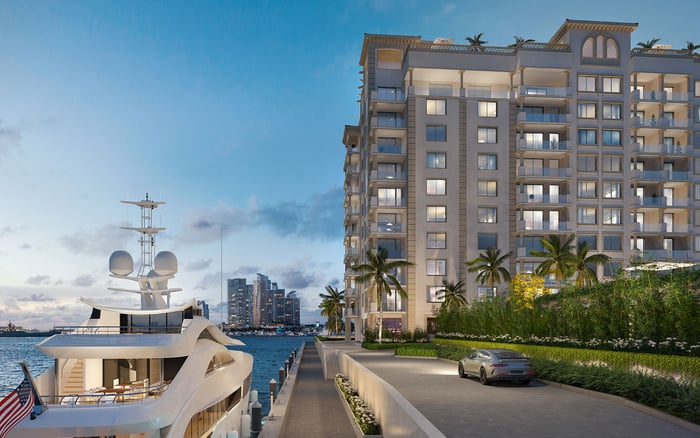
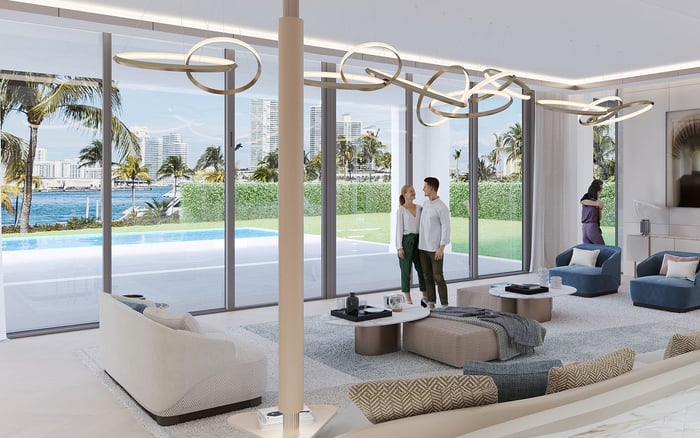
A buyer-focused look at how estate-scale living at The Links Estates at Fisher Island can support extended family stays through zoning, access planning, staff coordination, privacy, and island amenities.
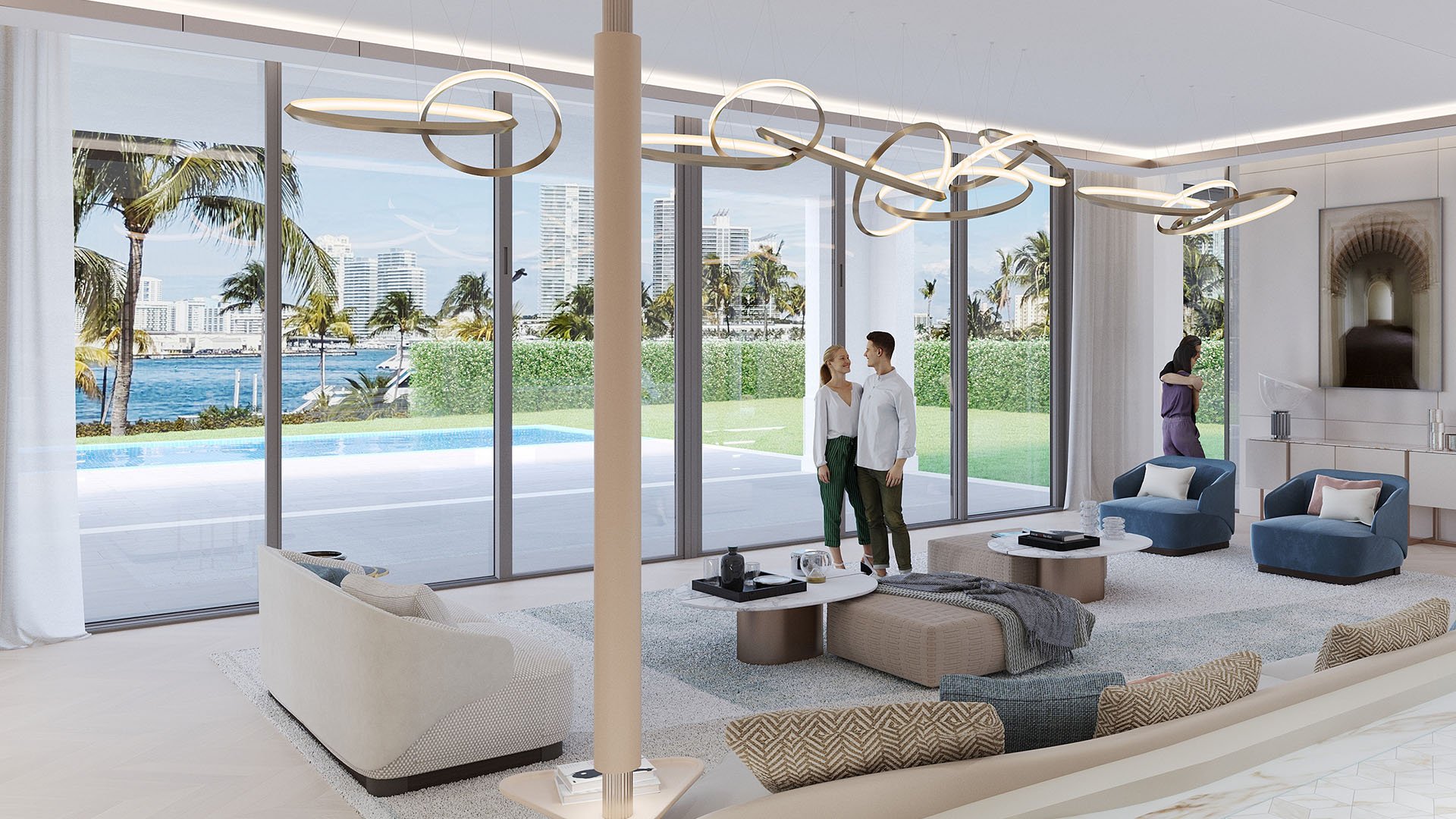
At The Links Estates at Fisher Island, the most sophisticated ownership question is not simply how many relatives can visit. It is whether a residence can support a family’s true seasonal rhythm: grandparents arriving first, adult children working remotely, grandchildren moving between pool time and activities, friends joining for a weekend, and staff keeping the household composed in the background.
The Links Estates at Fisher Island is positioned as an ultra-low-density, estate-scale residential offering within Fisher Island’s private-island environment. That distinction matters. Extended family use is not an occasional hospitality event here; for many buyers, it is the central reason to consider an estate format. The strongest strategy treats guests as a recurring household operation, with access, privacy, dining, service, and daily movement considered before the first suitcase arrives.
Fisher Island is often associated with a refined condominium lifestyle, where shared corridors, lobbies, elevators, and building amenities create a particular kind of convenience. The Links shifts the conversation toward estate-scale living. For a multi-generational family, that can mean separate routines under one private roof, with more natural separation between elders, adult children, grandchildren, staff, and short-stay visitors.
Buyers may compare the broader island universe, including The Residences at Six Fisher Island, Palazzo del Sol, and Palazzo della Luna, but The Links poses a different question: can the property function like a private family compound rather than a large apartment? The answer depends less on decorative luxury and more on operational intelligence.
In practical terms, estate scale allows different branches of a family to stay together while maintaining autonomy. One couple may prefer early breakfasts and quiet mornings. Another may keep late dinners and social evenings. Children may need casual zones where activity does not disturb grandparents. Staff may need circulation that supports service without making the house feel managed. The strength of the plan lies in making those patterns coexist gracefully.
The most effective extended-stay program begins with zones. Grandparents should have a calm area that feels removed from the daily noise of children and visitors. Adult children benefit from suites or retreat spaces that allow independent schedules. Grandchildren need activity zones that can absorb play, meals, and downtime without overtaking formal rooms. Staff require service areas that can handle increased laundry, housekeeping, food preparation, and maintenance during multi-week or seasonal stays.
The family program should also distinguish between formal entertaining areas and casual family rooms. A residence may need to host a polished dinner one evening and a relaxed breakfast for ten the next morning. Those are different environments, with distinct acoustic, service, and privacy demands. Quiet retreat spaces are equally important. During long visits, luxury is not constant togetherness; it is the ability to step away without leaving the family ecosystem.
Outdoor space is a key advantage for extended stays. It can absorb family meals, children’s activity, pool time, and informal gatherings, reducing pressure on the interiors. When outdoor areas are treated as active living rooms rather than decorative backdrops, the estate can carry a larger family load with less friction.
Fisher Island’s controlled-access setting makes guest planning more operationally important than in a typical mainland luxury home. Arrivals and departures should be pre-coordinated, particularly when family members travel in waves. A gracious experience begins before guests reach the front door: access permissions, luggage handling, drivers, staff awareness, and arrival timing all need to be addressed in advance.
This is where a clear guest protocol becomes essential. Owners should prepare preferences for access, luggage, dining, amenity scheduling, children’s activities, and staff communication before relatives arrive. The goal is not rigidity. It is ease. When the household already knows who is coming, where they are staying, what they prefer for breakfast, and how they plan to use the island, family time can feel spontaneous rather than improvised.
Privacy management is another part of access. A large family stay can blur boundaries quickly. A thoughtful plan defines which spaces are open to everyone, which areas are reserved for the primary owners, which zones are staff-only, and where visiting friends should be received. In the best estates, privacy is designed so quietly that guests experience it as comfort.
Extended family visits increase the operational load. Laundry multiplies. Housekeeping becomes more frequent. Kitchens need to accommodate varied schedules, children’s meals, formal dinners, dietary preferences, and last-minute requests. Drivers may need to coordinate arrivals, activities, and off-island movements. Maintenance must be responsive because more people using the house means more demand on every system.
For seasonal visits, staffing should be planned with the same seriousness as the floor plan. A family may need more housekeeping coverage, additional kitchen support, childcare coordination, and a single point of communication between owners and household staff. Without that structure, even a beautifully planned estate can feel strained.
The highest form of service is invisible continuity. Towels appear without ceremony. Children’s spaces reset themselves. Grandparents are not asked to adjust to the pace of younger generations. Guests feel hosted, but the owners do not feel burdened. That is the difference between having space and having a strategy.
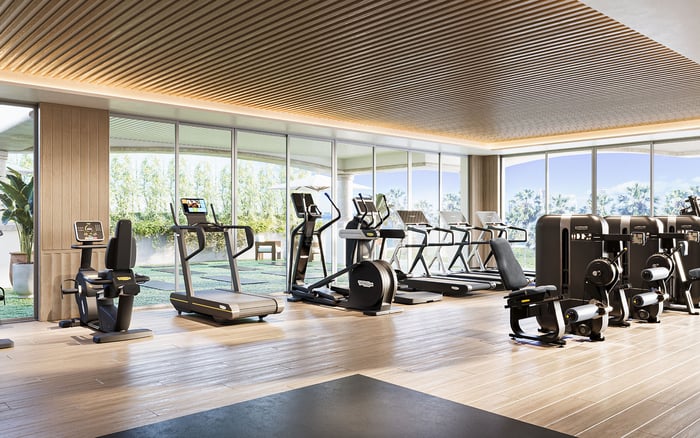
The Links’ proximity to Fisher Island’s club, golf, marina, and resort-style amenities can reduce pressure on the residence by giving different age groups separate activity options. This is particularly valuable for extended stays. Not every meal has to happen at home. Not every afternoon needs to be organized around the pool. Not every family member needs the same schedule.
A strong guest strategy uses the island as part of the household plan. Grandparents may enjoy quiet routines, adults may prefer club or marina access, and children may need structured activities outside the residence. When the island’s amenities are treated as extensions of the estate, the home remains calmer and more private.
This is where Fisher Island becomes more than a setting. It becomes infrastructure for family life. The residence provides the private base, while the broader island environment gives guests options. That balance is especially relevant for buyers who want togetherness without the intensity of everyone occupying the same rooms all day.
For Estates & Single-Family buyers, The Links is best understood as a private family compound strategy within Fisher Island, not merely a larger luxury residence. Palazzo del Sol Fisher Island and Palazzo della Luna Fisher Island may be part of the same island vocabulary, but the estate format at The Links places special emphasis on autonomy, service flow, outdoor living, and repeat guest use.
The strongest plan balances togetherness and independence. Large family meals, shared recreation, and holiday traditions should feel easy. Private bedroom suites, quiet retreats, service areas, and defined staff communication should feel equally protected. When those pieces work together, extended family stays become a privilege rather than a production.
Why is The Links Estates at Fisher Island relevant for extended family stays? Its estate-home format can support multi-generational occupancy more naturally than typical condominium layouts.
What should owners plan before family members arrive? Access permissions, luggage handling, dining preferences, staff communication, amenity timing, and children’s activities should be coordinated in advance.
How does Fisher Island’s controlled access affect guests? Arrivals and departures require more advance planning than a conventional mainland luxury home or standard gated community.
What family zones matter most for long stays? Grandparent areas, adult suites, children’s spaces, quiet retreats, formal rooms, casual rooms, and service areas should be clearly defined.
Why is outdoor space important at The Links? Outdoor areas can absorb meals, play, pool time, and informal gatherings without overwhelming the interiors.
How should staffing change during seasonal family visits? Owners should account for higher laundry, housekeeping, kitchen, childcare, driver, and maintenance demands.
Does estate-scale living replace the need for island amenities? No. Club, golf, marina, and resort-style amenities can reduce pressure on the residence by giving guests separate options.
What is the main privacy challenge with extended family stays? The challenge is balancing shared family time with protected suites, quiet rooms, owner-only areas, and staff circulation.
How is The Links different from condominium-style Fisher Island living? The Links emphasizes estate-scale living rather than shared corridors, lobbies, and elevators.
What is the best way to think about guest strategy at The Links? Treat family guests as a recurring household operation, not as occasional visitors.
To compare the best-fit options with clarity, connect with MILLION.
If branded residences are on your mind — as a home or as an allocation — we would be glad to share what we are seeing, privately.
Begin a quiet conversation