At Palm Beach’s highest tier, a residence is only part of the purchase. Buyers should verify staffing depth, service protocols, gratuity customs, HOA coverage, taxes, insurance and potential assessments before comparing annual carry.

At the upper end of the Palm Beach condominium market, service is not an ornamental amenity. It shapes privacy, convenience, security and the daily rhythm of ownership. Yet even a polished service roster does not reveal how consistently those services are delivered when arrivals overlap, employees are absent or seasonal demand intensifies.
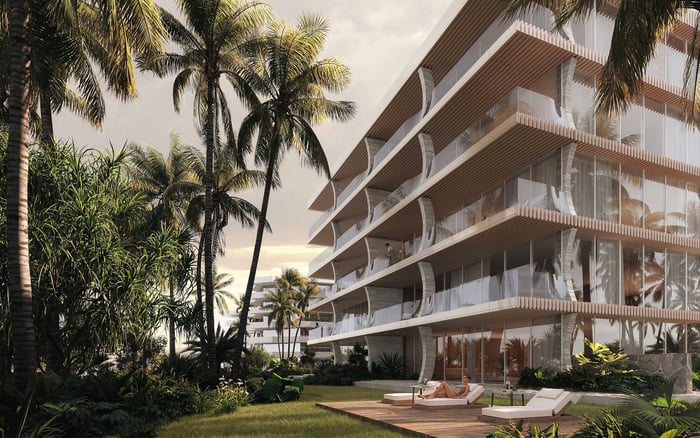
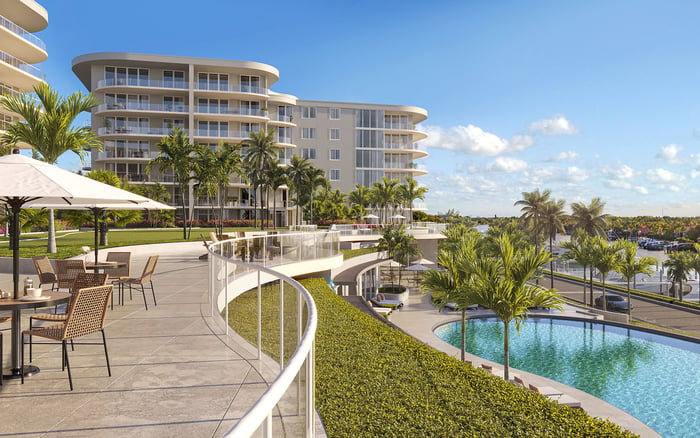
That distinction is central when considering The Bristol Palm Beach, a full-service condominium at 1100 S. Flagler Drive in West Palm Beach. The building offers 24-hour door and front-desk staff, full-time concierge and security, and 24-hour valet service. Valet service includes car washing, while a scheduled house car serves nearby shopping and restaurants. Private elevators open directly into residences, with separate service elevators for staff and deliveries.
The amenities are equally substantial: a 75-foot outdoor lap pool, a two-story fitness center and spa, a club lounge, terrace gardens, and an indoor and outdoor dog park. The buyer’s more revealing inquiry, however, begins where the amenities menu ends.
Luxury service should be measured by delivery under pressure, not by the number of functions named.
Before drawing a direct comparison, buyers should confirm the exact project and address represented by Palm Beach Residences. Without that identification, its staffing, gratuity practices, association expenses and service standards cannot be compared reliably with those of The Bristol.
Names can sound interchangeable in a market rich with new and established offerings, but operating models are building-specific. A prospective owner might also be evaluating Forté on Flagler West Palm Beach and South Flagler House West Palm Beach. Each should be examined through its own governing documents, budget, service protocols and unit-level costs-not through neighborhood assumptions.
A list of functions does not disclose staff per residence, staff per floor, shift coverage or peak-hour headcounts at The Bristol. A headline ratio can also mislead if it combines management, engineering, spa and resident-facing personnel into a single figure.
Ask management for headcounts by role and shift. Buyers should know how many people cover the front desk, door, valet, security and concierge functions during ordinary hours, overnight periods and high-demand windows. Ask who fills in during illness, vacation or turnover, and whether supervisory employees are counted as active coverage.
Operational questions are equally important. What is the target valet wait time? How far in advance must the house car be reserved? Are trips prioritized by request time, destination or resident need? How are guests, vendors and food deliveries received? Which elevator handles each category, and how are simultaneous arrivals managed without compromising privacy?
A discreet test can be useful: visit at different hours and observe, without manufacturing demands, how naturally the team handles arrivals and handoffs. Service should feel anticipatory, but buyers should still seek written policies rather than rely on a single tour.
Whether gratuities for The Bristol’s valet, door staff, concierge personnel or house-car drivers are expected, pooled, optional or prohibited remains unspecified. That ambiguity should not be interpreted as policy.
Request the current written gratuity guidance. Ask whether direct cash gifts are permitted, whether a holiday fund is customary, how pooled distributions are allocated and whether residents typically recognize employees who provide frequent personal assistance. The objective is not to negotiate generosity, but to understand the building’s social and financial expectations before arrival.
Buyers comparing a hotel-influenced proposition such as The Ritz-Carlton Residences® West Palm Beach should make the same inquiry. Brand, staffing model and gratuity custom are separate questions. A written answer prevents awkwardness and allows optional tips or seasonal gifts to be incorporated into a realistic ownership budget.
Three Bristol listings illustrate why building-wide averages are inadequate. Unit 601, a 4,483-square-foot residence, had a monthly HOA fee of $9,357 and annual property taxes of $113,144. Together, those disclosed costs equal approximately $225,428 per year.
Unit 1403 had monthly HOA dues of $7,660 and 2025 property taxes of $179,000, for an annual total of approximately $270,920. Unit 2203 had monthly HOA dues of $9,066 and annual property taxes of $259,198, totaling approximately $367,990.
These are point-in-time, unit-specific disclosures, not forecasts. Each total excludes mortgage costs and may also exclude unit insurance, uncovered utilities, assessments, maintenance, gratuities and other owner-specific expenses. Before making an offer, confirm current figures for the exact residence and model multiple years rather than simply annualizing the latest month.
For Unit 601, the dues covered common areas, gas, HVAC, hot water, association insurance, structural and grounds maintenance, pest control, sewer, security, trash and water. Unit 1403 had similar inclusions, but included cable television and did not identify HVAC in the same way. Even within one building, buyers should not presume identical wording or coverage.
When association dues include “insurance,” determine whether that means only the association’s master policy. An owner may still need coverage for interiors, contents, liability, flood exposure and loss assessments. Request the insurance summary, identify deductibles, and have qualified advisers explain where association responsibility ends and owner responsibility begins.
The broader diligence file should include the current operating budget, reserve study, financial statements, estoppel, house rules, pending-assessment disclosures and recent board minutes. Review payroll and contracted-service costs in context; an elegant service proposition must also be financially supportable.
Palm Beach County property taxes are payable from November 1 through March 31 and become delinquent afterward. Proposed and final millage rates can be paired with a unit’s projected taxable value to estimate future exposure, but buyers should not assume that the seller’s current tax bill will define the next owner’s liability.
A useful comparison sheet has four columns: promised service, documented staffing, resident custom and annual cost. Add notes on peak-season coverage, valet performance, house-car access, delivery handling, gratuity expectations, insurance gaps and assessment risk. This turns an emotive tour into a disciplined ownership comparison.
For MILLION readers, this is as much a Buyer's Guides question as a Lifestyle decision, and it belongs within Pricing & Trends and Resale analysis. The finest outcome is not necessarily the building with the longest amenity list. It is the residence whose service delivery, financial structure and social customs align with how the owner genuinely intends to live.
For discreet guidance on Palm Beach residences and unit-specific ownership diligence, connect with MILLION.
If branded residences are on your mind — as a home or as an allocation — we would be glad to share what we are seeing, privately.
Begin a quiet conversationThe Bristol is a full-service luxury condominium at 1100 S. Flagler Drive in West Palm Beach.
It offers 24-hour door and front-desk staff, full-time concierge and security, and 24-hour valet service.
No staff-per-residence, staff-per-floor, shift-coverage or peak-hour headcount figure is specified.
Ask about valet wait-time targets, overnight coverage, car-wash procedures, reservation rules, service boundaries and peak-demand priorities.
Whether gratuities are expected, pooled, optional or prohibited is unspecified. Buyers should request the written policy and ask about holiday-fund customs.
The disclosed monthly HOA fee and annual property taxes totaled approximately $225,428 per year before other ownership costs.
HOA dues and property taxes vary among units, so a building-wide average can obscure the actual cost of a specific purchase.
Potential additions include financing, owner insurance, uncovered utilities, assessments, maintenance, gratuities and other personal expenses.
Not necessarily. Buyers should clarify whether only the master policy is included and assess interior, contents, liability, flood and loss-assessment needs.
Only after confirming the exact Palm Beach Residences project and address, then reviewing its staffing, policies, governing documents and unit-specific costs.