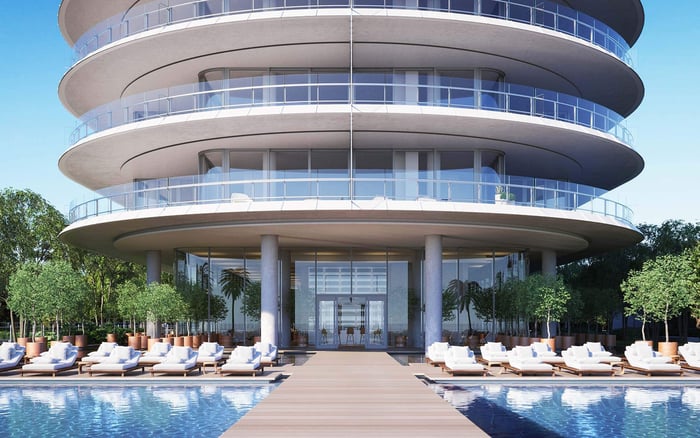
A buyer-focused editorial guide to reviewing Kempinski Residences Miami Design District before reservation, with emphasis on documents, brand governance, location fit, costs and long-term value.
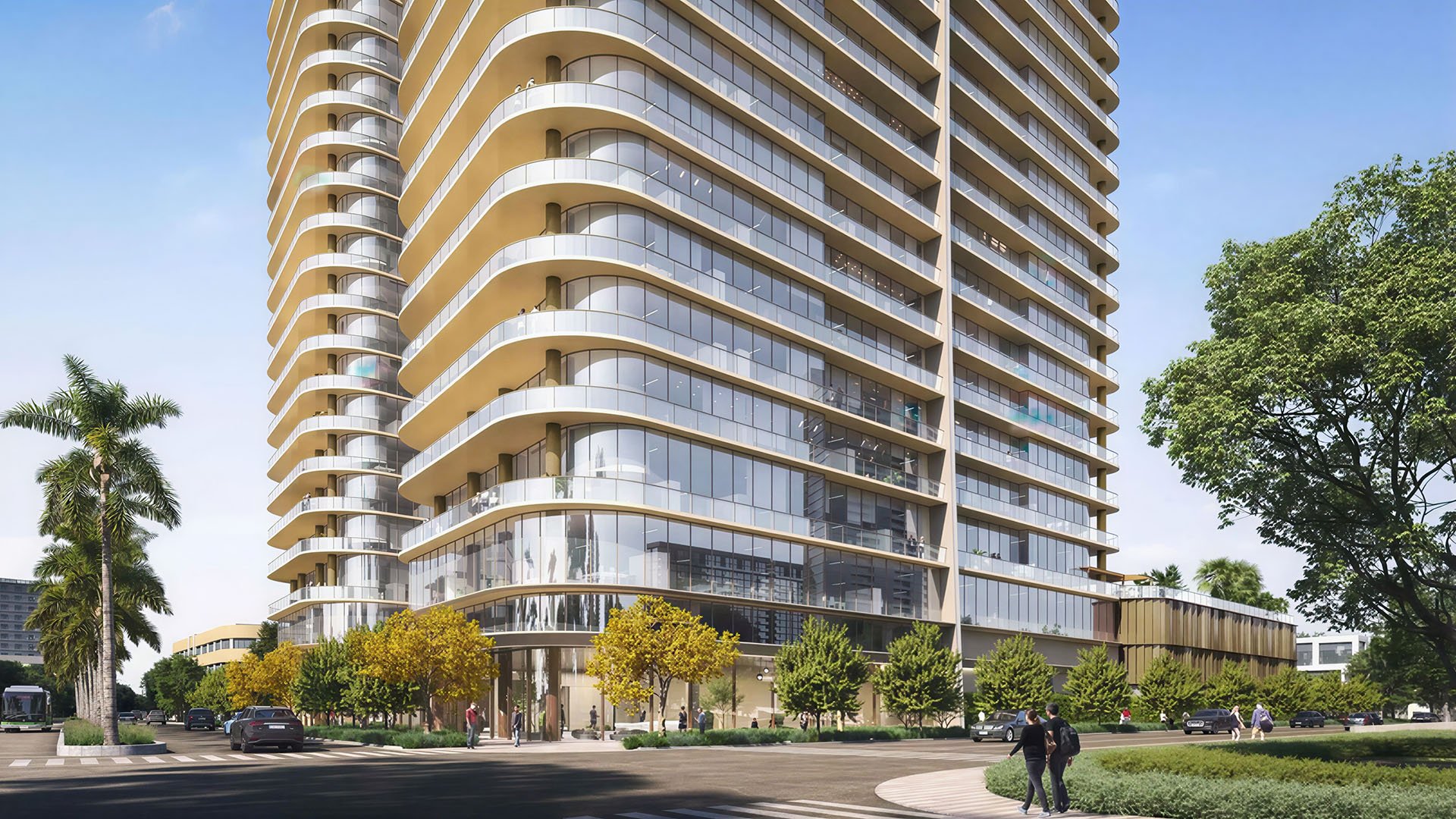
For a buyer considering Kempinski Residences Miami Design District, the reservation stage should feel elegant, but never casual. In South Florida’s luxury market, reserving a residence is often the first formal step toward a future purchase. It can also be the moment when emotion, scarcity, and brand storytelling begin to outrun practical review.
The right approach is calm and document-led. A buyer should understand what is being reserved, how funds are handled, which conditions apply, and what happens if the project documents evolve. This is especially important in the Design District, where cultural cachet, retail energy, and architectural ambition can make the lifestyle proposition feel immediate before the legal and financial details have been fully absorbed.
This article is not about dampening enthusiasm. It is about preserving leverage. The most sophisticated buyers tend to move quickly only after they have slowed down around the details.
The reservation agreement is the first document to review with care. Buyers should ask whether the reservation is binding or non-binding, whether it secures a specific residence or only a priority position, and under what circumstances funds may be returned. The exact language matters more than any verbal summary.
Key questions include who holds the reservation deposit, whether the deposit is placed in escrow, which deadlines apply, and what future contract documents will replace or supersede the reservation. If the agreement references future disclosures, condominium documents, pricing schedules, or construction milestones, buyers should understand that the reservation is only one piece of a larger sequence.
Pre-construction buyers should also clarify what may change between reservation and contract. Floor plans, finishes, amenity concepts, and service programs can be refined as a project progresses. A reservation should not be treated as a substitute for the full purchase agreement.
Branded residences are judged by more than architecture. They are judged by continuity of service, operating discipline, design coherence, and the daily experience of ownership. The name on the building may create confidence, but buyers should still ask how the brand relationship is structured and what standards will govern the property after delivery.
This is the same diligence buyers apply when comparing other branded or design-forward offerings across Miami, from 888 Brickell by Dolce & Gabbana to The Residences at Mandarin Oriental, Miami. Brand affiliation can add distinction, but enduring value lies in execution: staffing, maintenance, hospitality protocols, governance, and the ability to sustain the experience over time.
Buyers should ask which services are included in regular assessments, which services are optional, and whether hospitality-style offerings may carry separate usage charges. The refined question is not simply, “What are the amenities?” It is, “Who operates them, who pays for them, and how consistently will they be delivered?”
The Design District offers a particular rhythm. It is urban, design-conscious, and closely connected to Miami’s art, fashion, dining, and retail culture. For some buyers, that is precisely the point. For others, the essential question is whether the neighborhood’s energy aligns with daily living rather than occasional visits.
A buyer should spend time in the area at different hours. Consider arrival patterns, valet flow, restaurant traffic, event evenings, access to nearby neighborhoods, and the ease of moving between home, airport, beach, office, and private club life. Luxury is not only what happens inside the residence. It is also how gracefully the property fits into a buyer’s routines.
This is where Design District ownership differs from waterfront or resort-style living. A buyer comparing urban Miami with an Edgewater project such as EDITION Edgewater should think less in terms of which is “better” and more in terms of which setting supports the intended life. Privacy, views, walkability, cultural access, and day-to-day convenience rarely carry equal weight for every household.
The most important number is not always the headline price. Buyers should request a clear picture of projected monthly assessments, reserve contributions, insurance assumptions, parking arrangements, storage, optional services, closing costs, and any anticipated owner obligations. In a new project, early estimates can be subject to refinement, so the underwriting should include a cushion.
Luxury buyers also need to consider the cost of maintaining a residence at the standard the building implies. Furnishings, window treatments, smart-home systems, art installation, service subscriptions, and private staff coordination can be meaningful additions to the purchase budget. For a second-home buyer, the relevant question may be whether the residence can be kept guest-ready with minimal friction. For a primary user, the focus may be consistency, access, and privacy.
This is the terrain of buyer guides rather than brochure prose. A beautiful rendering may introduce the dream, but the budget determines how comfortably that dream can be lived.
In luxury pre-construction, square footage alone is an incomplete measure. Buyers should study proportions, ceiling conditions, exposure, elevator arrival, privacy between bedrooms, kitchen placement, service access, outdoor space, and the relationship between formal and informal living areas. A plan that photographs beautifully may not function as well for entertaining, staff movement, long-stay guests, or art placement.
Ask how natural light enters the residence, where mechanical areas sit, how terraces connect to living spaces, and whether principal rooms offer the privacy expected at the price point. For collectors, wall space can matter as much as glass. For families, storage and acoustic separation may matter more than an oversized entertaining salon.
Buyers should also request clarity on what is included in the delivered residence. Finish levels, appliance packages, closet systems, lighting allowances, and customization options should be understood before moving from reservation to contract.
Even buyers who plan to hold long term should think like future sellers. The best luxury residences typically combine scarcity, coherent design, strong operations, and a location that remains relevant through market cycles. In the Design District, the value proposition is tied to culture and convenience rather than sand-front exclusivity, which means the buyer profile may differ from that of Miami Beach or Sunny Isles.
Investment discipline does not require a purely financial mindset. It requires asking whether the residence will be easy to explain to the next qualified buyer. What makes it distinct? Is the floor plan intuitive? Does the brand add durable confidence? Are carrying costs proportionate to the experience? Can the building maintain its service level without straining owners?
Comparable thinking can be useful across submarkets. A buyer considering The Perigon Miami Beach may be underwriting oceanfront scarcity, while a Design District buyer may be underwriting urban cultural adjacency. Both can be compelling, but they are not the same thesis.
Before reserving, buyers should have counsel prepared to review documents, a tax advisor aware of ownership structure, and a trusted representative who understands both pre-construction process and luxury condominium operations. The earlier this group is aligned, the less likely a buyer is to feel rushed when contract documents arrive.
Questions should be direct and specific. What happens if delivery timing changes? What rights does the developer retain? How will common areas be controlled? What are the rules around leasing, guests, pets, alterations, and transfers? Which parts of the offering are fixed, and which may be modified?
For high-net-worth buyers, discretion is also part of diligence. The reservation should fit broader planning around privacy, entity ownership, estate considerations, and family use. A purchase of this type is rarely only a real estate decision. It is a lifestyle, balance-sheet, and legacy decision in one.
Is a reservation the same as a purchase contract? No. A reservation is typically an early step and should be reviewed separately from the full purchase contract and condominium documents.
What should I review first before reserving? Start with the reservation agreement, deposit language, refund provisions, deadlines, and any references to future documents.
Why does brand governance matter in a branded residence? The brand experience depends on operations, staffing, service standards, and long-term oversight, not only the name associated with the property.
Should I rely on renderings when evaluating the residence? Renderings are useful for orientation, but buyers should rely on contract documents, finish schedules, and plans for binding detail.
How should I think about the Design District location? Consider whether its urban, cultural, and retail-driven rhythm matches your daily routine, privacy expectations, and transportation patterns.
What costs should I examine beyond price? Review assessments, reserves, insurance assumptions, parking, storage, optional services, closing costs, and post-closing furnishing needs.
Are pre-construction details subject to change? Some details may evolve before completion, so buyers should understand which items are fixed and which remain subject to refinement.
How important is the floor plan? Very important. Proportion, privacy, light, storage, service flow, and terrace utility can affect both daily comfort and resale appeal.
Is this primarily a lifestyle purchase or an investment? It can be both, but buyers should define the primary objective before reserving so pricing, costs, and exit strategy are aligned.
Who should advise me before I reserve? Consider experienced legal counsel, tax guidance, and a luxury condominium advisor familiar with Miami pre-construction and operations.
For a confidential assessment and a building-by-building shortlist, connect with MILLION.
If branded residences are on your mind — as a home or as an allocation — we would be glad to share what we are seeing, privately.
Begin a quiet conversation