A disciplined approach to valuing a bespoke Regalia interior separates the residence itself from seller-added improvements and optional furnishings, with comparable sales, verified provenance, and condition guiding the negotiation.
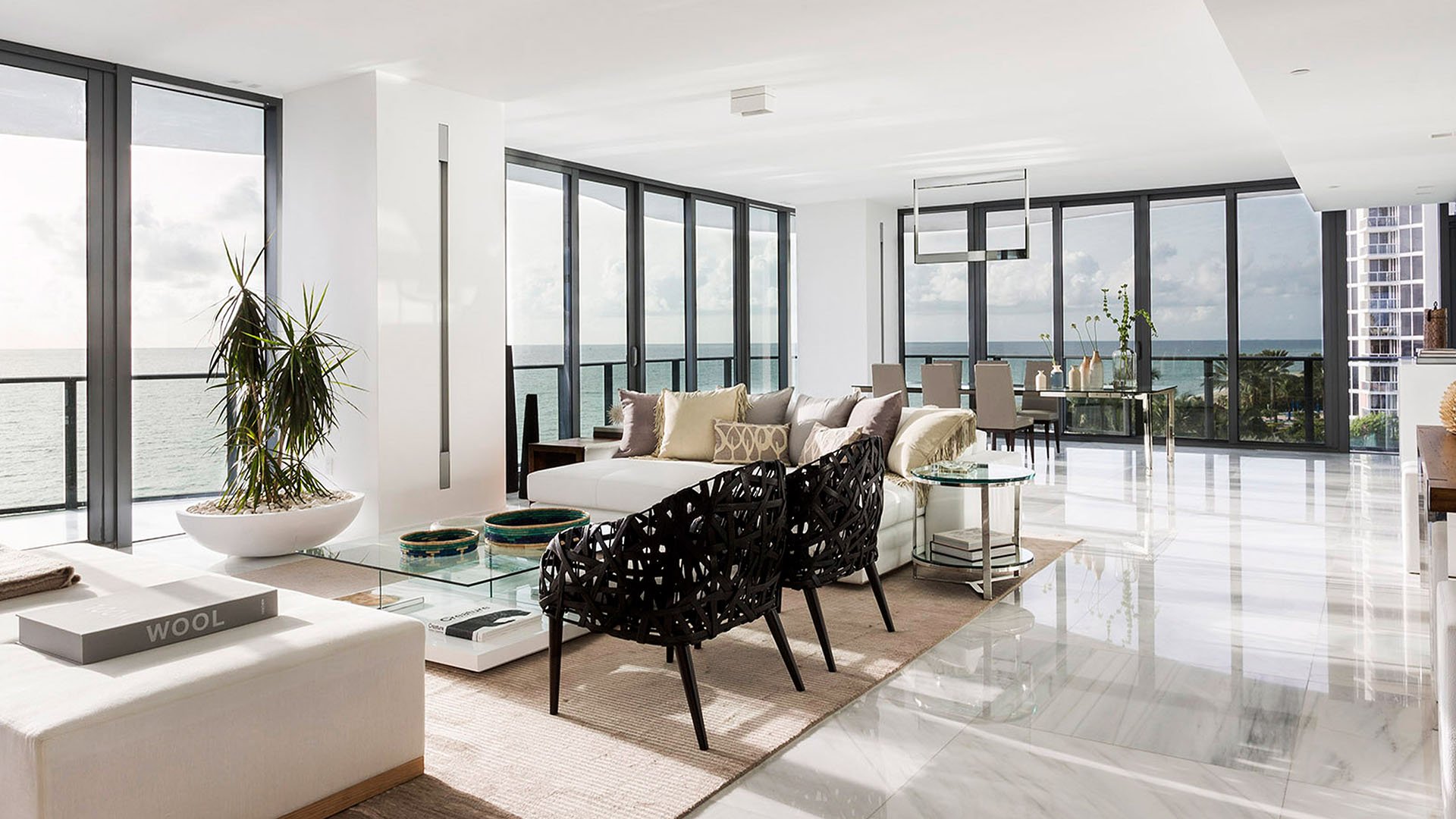
A bespoke interior can make a residence feel inevitable: precisely chosen stone, quietly resolved cabinetry, furniture proportioned to the room. At Regalia Sunny Isles Beach, however, appreciating that composition and establishing its resale value are different exercises. The buyer’s task is to distinguish the apartment’s underlying value from what the seller’s individual investment genuinely adds.
The clearest approach separates three components: the residence value supported by comparable sales, the contributory value of fixed bespoke improvements, and any optional furniture or art package. This prevents an exceptional presentation from becoming an undifferentiated premium. It also allows a buyer to admire the interior without accepting its original cost as the measure of today’s value.
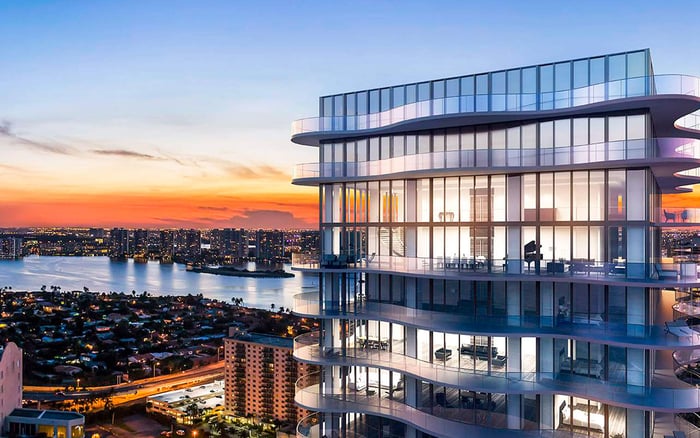
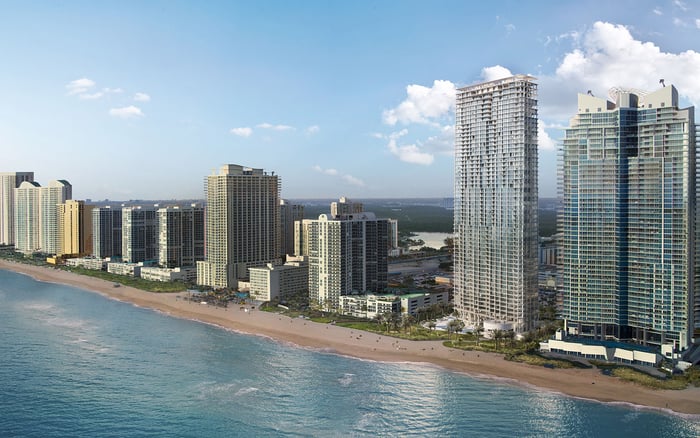
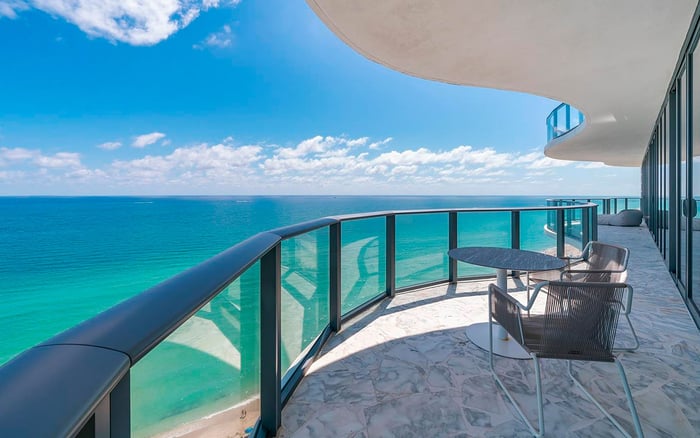
Regalia’s typical full-floor format makes same-building, same-configuration transactions especially useful starting points. The tower was designed by Bernardo Fort-Brescia of Arquitectonica, and typical residences have approximately 5,515 square feet indoors plus 2,100 square feet of terraces. Those characteristics belong to the real estate, not to a seller’s decorating budget.
The distinction continues inside. Specified residence features include private elevators, high-security entry systems, 10-foot ceilings, custom kitchen cabinetry, top-tier appliances, and butler’s pantries. A valuation should therefore ask whether the seller replaced an already luxurious element, materially improved it, or simply chose a different expression of comparable quality.
Imported stone, wood, glass, and wall coverings, along with customized Poltrona Frau furnishings, also feature in the project. Neither an imported finish nor a prestigious furniture label, by itself, establishes a seller-funded upgrade. Request the apartment’s original specifications alongside the seller’s finish schedule before assigning incremental value.
Two reported transactions provide context, but not a building-wide valuation range. Unit 6 reportedly sold for $10 million on December 5, 2025, with four bedrooms, six bathrooms, and 4,992 square feet. That equates to approximately $2,003 per interior square foot.
PH-43 reportedly sold for $19,888,888 on February 3, 2026, with six bedrooms, eight bathrooms, and 10,755 square feet, or approximately $1,849 per interior square foot. Its penthouse configuration differs materially from a conventional full-floor apartment. The lower price per square foot does not demonstrate that a standard residence deserves a discount, nor does either transaction isolate a bespoke-interior premium.
Asking prices belong in a separate category. Unit 16 has a reported asking price of $14.7 million, with four bedrooms and six bathrooms. Unit 3 has a reported asking price of $19.995 million for six bedrooms, nine bathrooms, and 10,515 square feet, approximately $1,902 per square foot. Its double-height great room, sculptural floating staircase, and mezzanine distinguish it physically from conventional full-floor comparables.
These are reported-sale and asking-price snapshots, not independently verified closing records or confirmation of current availability. Before relying on them, verify transaction details, included furnishings, condition, configuration, and the relevant measurement basis.
The difference between approximately 5,515 square feet for a typical residence and 4,992 square feet for the Unit 6 transaction deserves attention. It is not evidence that one apartment has gained or lost usable space without first checking how each figure was established.
Use equivalent interior-area measurements throughout the analysis. Keep terraces separate, and do not multiply a transaction’s interior price-per-square-foot figure by a larger marketing-area figure without reconciling the definitions. Otherwise, a measurement mismatch can masquerade as an interior premium.
For a buyer also considering Jade Signature Sunny Isles Beach, the same discipline applies: compare documented areas and configurations before drawing conclusions from headline pricing. A broader search can clarify personal preferences, but it does not make another building an automatic valuation substitute.
Establish designer provenance for the actual residence. Building-level design references are no substitute for an apartment-specific contract, and differing design attributions do not prove who conceived a seller’s rooms.
Request design agreements, itemized invoices, finish schedules, installation dates, maintenance records, and a written inventory of inclusions and exclusions. Where relevant, ask for documentation of installation work and any applicable approvals. These materials help distinguish an integrated renovation from a furnishing exercise and clarify what the buyer would acquire.
Then evaluate the fixed work on its merits: execution, present condition, functional usefulness, maintenance demands, and compatibility with the intended lifestyle. A highly personal finish may be beautifully made yet offer limited value to someone planning to replace it. Conversely, a well-resolved interior may reduce the work a particular buyer expects to undertake.
Invoices document expenditure. They do not establish an equal resale premium, and the available evidence does not support a standard percentage uplift for bespoke design.
For some buyers, the most persuasive benefit is not a designer’s name but avoiding another design and installation project. Evaluate that benefit against the buyer’s actual plans: which rooms would remain untouched, which systems need attention, and which pieces are essential to the composition?
When weighing an alternative such as Muse Residences Sunny Isles Beach, ask the same questions rather than assuming that a visually complete apartment is equally suitable. The relevant comparison is between the homes as the buyer would use them, including any desired changes.
Furniture and art require their own discussion. Specify what stays, its condition, and any proposed allocation separately from fixed improvements. A room photographed as a complete composition may feel very different once excluded pieces are removed. The written inventory should resolve that distinction before an offer becomes a contract.
Begin with the best-supported residence value, accounting for configuration, area, condition, and relevant transaction differences. Then assess the seller’s fixed improvements without counting the same quality twice. Finally, negotiate any optional contents as a distinct package, with appropriate professional advice on contractual treatment.
If an interior premium cannot be isolated confidently, acknowledge that uncertainty in the offer rather than manufacturing precision. A buyer can recognize exceptional craftsmanship while declining to reimburse every historical decision. The strongest valuation remains persuasive after the styling, personal attachment, and original invoices are set aside.
For discreet guidance on evaluating a bespoke South Florida residence, connect with MILLION.
If branded residences are on your mind — as a home or as an allocation — we would be glad to share what we are seeing, privately.
Begin a quiet conversationSeparate the comparable-supported residence value, the contributory value of fixed improvements, and any optional furniture or art package. Avoid treating the seller’s total expenditure as the resale premium.
No. They document expenditure, while contributory value depends on the work’s condition, usefulness, buyer appeal, and supporting market evidence.
Residence specifications describe private elevators, high-security entry systems, 10-foot ceilings, custom kitchen cabinetry, top-tier appliances, and butler’s pantries. Verify what was originally supplied in the particular apartment.
Unit 6 reportedly sold for $10 million on December 5, 2025, with 4,992 square feet, approximately $2,003 per interior square foot. It offers transaction context but does not isolate an interior-design premium.
Not without substantial consideration of its differences. Its reported 10,755-square-foot penthouse configuration differs materially from a conventional full-floor residence.
No. The sample is small, includes different configurations, and does not establish a building-wide valuation range.
Treat them as asking-price snapshots rather than completed transactions or confirmation of current availability. Unit 3 also has distinctive architectural features that complicate comparisons.
Typical building descriptions cite approximately 5,515 interior square feet, while Unit 6’s transaction record uses 4,992 square feet. Comparing inconsistent area definitions can distort the apparent premium.
Request design contracts, itemized invoices, finish schedules, installation dates, maintenance records, and a written inventory of included and excluded items. Verify designer attribution for the specific residence.
Yes, optional furniture and art should be distinguished from the residence and fixed improvements. Confirm exactly which pieces are included and their condition before negotiating the package.