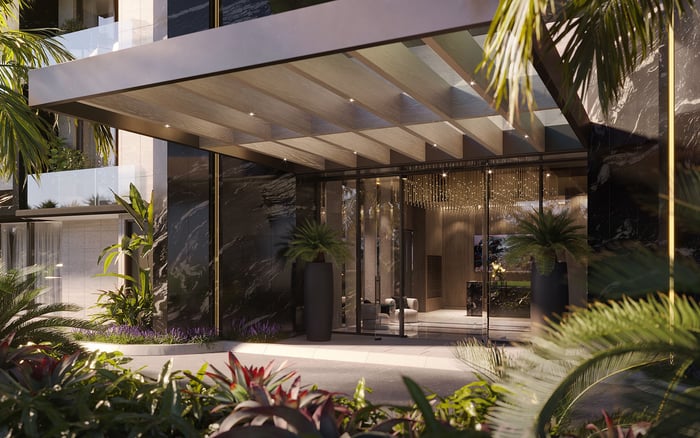
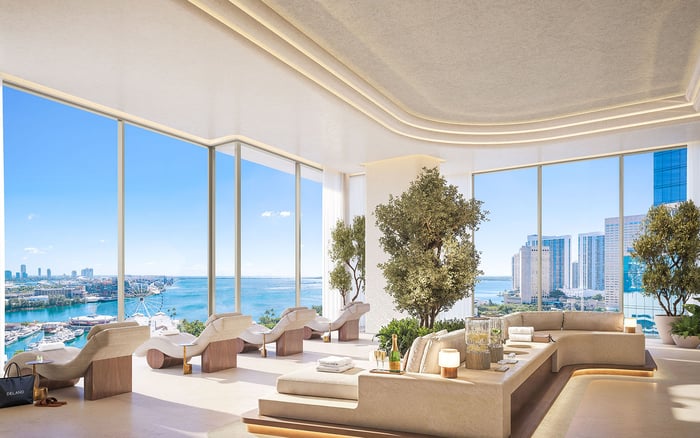
A considered approach to personalizing an Armani/Casa interior through collected art, disciplined furniture proportions, expressive textiles and a cohesive terrace, while respecting the residence’s existing finishes.
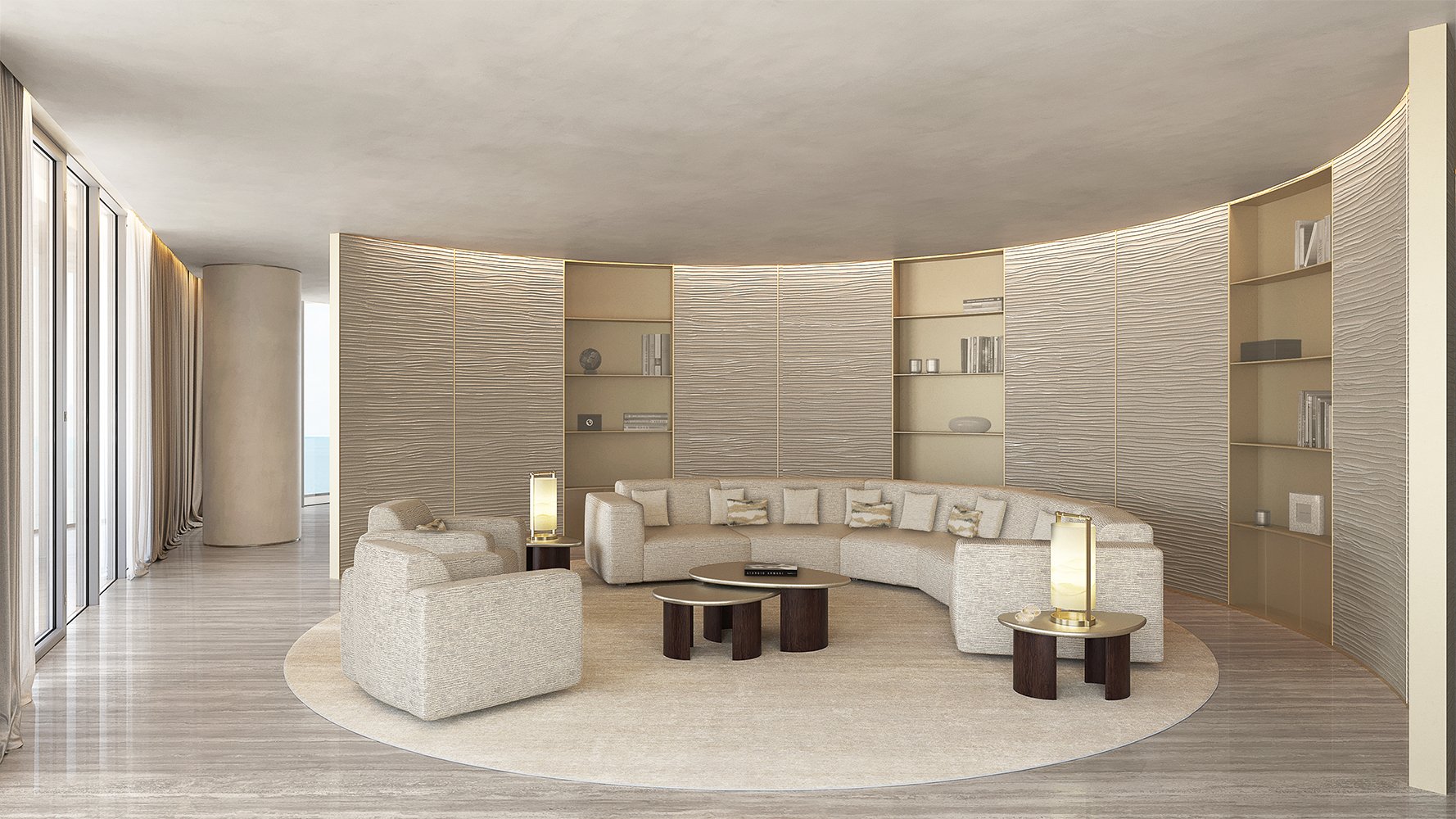
A branded residence should offer a coherent starting point, not ask an owner to adopt someone else’s biography. At Armani Casa Residences Pompano Beach, the advertised custom Armani/Casa finishes establish a design framework. Personal collections, daily rituals and individual preferences give that framework depth.
Begin by identifying what must feel unmistakably yours: a painting acquired on a memorable trip, an inherited chair, a library or a particular shade of green. Choose a few anchors before selecting supporting furniture. This reverses the showroom approach, in which a complete scheme arrives first and personal belongings must find somewhere to fit.
The aim is not to erase the branded interior. It is to create a home whose architectural discipline and personal character strengthen one another.
Armani/Casa’s aesthetic emphasizes simple lines, precise proportions, precious materials, refined finishes and elegant textiles. It also embraces varied inspirations and design codes. Those principles suggest compatibility through proportion and material relationships, not a requirement that every object share the same provenance.
Start with the elements that already define the residence. Advertised kitchen features include European quartz and stone, while primary suites feature Molteni Dada walk-in closets. Review the actual finish schedule for your residence before choosing adjacent woods, metals or upholstery. Do not assume advertised features apply identically to every home.
Then build the flexible layer: freestanding seating, rugs, portable lighting, artwork and objects. These are sensible starting points for personalization before considering changes to built-in finishes. A vintage cabinet or contemporary photograph can sit comfortably within the scheme when its scale, placement and color relationships are considered.
Advertised features include 10-foot ceilings and ocean panoramas. Treat these as planning references, not an invitation to oversize every piece. Height can accommodate a substantial artwork or taller cabinet, but floor area, circulation and actual wall dimensions should determine the final selection.
Map the principal views from the entrance, sofa and dining table before committing to furniture. Consider lower-backed seating where a taller silhouette would interrupt the horizon. Keep sculptural objects clear of the most valuable sightlines, and give larger pieces enough space to read clearly.
Mark furniture footprints on the floor and assess the composition from seated height. A room can look balanced on a plan yet feel crowded when occupied. Preserve clear routes between seating, glazing and terrace access, and resist filling an open corner simply because it is available.
Art offers a direct way to distinguish a home without asking its finishes to become something else. Begin with works you already value, then consider their relationship to the surrounding stone, cabinetry and daylight. One confident composition may be more persuasive than several smaller pieces competing with the view.
Before installation, confirm wall conditions, hanging procedures and any relevant restrictions. A freestanding sculpture offers another option, provided its weight, stability and location are appropriately assessed.
Textiles introduce individuality at a different scale. Consider a quietly patterned rug beneath clean-lined seating, an expressive fabric on one chair or bedding with a restrained accent color. These are design suggestions, not descriptions of the project’s supplied palette.
Repeat a chosen hue or texture selectively rather than matching everything. A color drawn from a painting might return in a cushion and a ceramic vessel. That repetition connects varied objects without making the room feel purchased as a set.
Wraparound terraces are a defining advertised feature, making outdoor furniture part of the interior plan rather than a separate decorative exercise. Consider how the terrace looks from inside as carefully as how it functions outdoors.
Carry one or two interior references outward, perhaps a related upholstery tone or a similar furniture silhouette. Continuity need not mean identical materials. Outdoor selections should suit their intended exposure and maintenance needs, with suitability confirmed before purchase.
Arrange seating around the way you expect to live: quiet morning reading, conversation or a small dining setting. Keep the view clear from the interior and avoid crowding the perimeter. Confirm terrace furnishing restrictions and any requirements affecting placement, lighting or installation before finalizing the scheme. A visual preference does not establish permission for exterior changes.
The primary suite need not repeat the living room exactly. It can retain the same discipline while becoming softer, quieter and more closely attuned to private routines. Begin by accounting for the advertised Molteni Dada walk-in closets, then assess what additional storage is genuinely useful.
A bed, a reading chair and well-chosen bedside lighting may provide more comfort than a heavily furnished suite. Let bedding, a rug and one meaningful artwork establish the mood without competing with the cabinetry.
Advertised primary-suite “midnight bars” also require confirmation of their specifications. Establish the actual configuration, finishes and service provisions before planning surrounding furniture or assuming a particular use. Design around the confirmed element, not the possibilities suggested by its name.
When considering Armani Casa Sunny Isles Beach alongside the Pompano Beach residence, bring the same personal inventory to each evaluation. Where would your largest artwork go? Which existing pieces would you retain? What would make everyday life feel natural rather than staged?
The same questions apply when considering Casa Bella by B&B Italia Downtown Miami. Treat each residence as a distinct proposition, with its own documents and confirmed specifications. Do not transfer assumptions about furniture, customization or approvals between developments.
A persuasive presentation can establish atmosphere. Your own furniture plan reveals whether that atmosphere can accommodate the life you intend to lead.
Before placing orders, request the residence-specific finish schedule, electrical plans, relevant terrace restrictions, installation procedures and written modification requirements. Confirm delivery access and furniture dimensions as part of the same exercise.
Do not assume an owner-upgrade menu, a particular approved-vendor policy or a warranty outcome for modifications. The brand’s broader approach to client wishes does not establish customization rights within this development. Likewise, preserving original finishes should be a design decision, not a presumed guarantee of resale value.
The most personal result often comes from selective additions rather than wholesale reinvention: meaningful art, excellent proportions and materials you enjoy living with.
Explore a more personal approach to South Florida real estate with MILLION.
If branded residences are on your mind — as a home or as an allocation — we would be glad to share what we are seeing, privately.
Begin a quiet conversationStart with freestanding furniture, collected art, rugs, textiles and portable lighting. Use proportion and selected color relationships to connect personal pieces with the existing interior.
The supplied project details do not establish a requirement to purchase Armani/Casa furniture. Confirm any applicable furnishing or installation requirements in the residence’s documents.
Residences are marketed with 10-foot ceilings. Confirm your residence’s dimensions and assess furniture against floor area, wall space and circulation as well as ceiling height.
Map sightlines from the entrance and principal seating positions before selecting furniture. Consider lower-backed seating where taller pieces would interrupt the view.
Kitchens are described as featuring European quartz and stone. Consult the residence-specific finish schedule before selecting complementary colors and materials.
Repeat a few interior colors or silhouettes while choosing furnishings suited to outdoor use. Confirm terrace restrictions and placement requirements before purchasing.
Plan around the advertised Molteni Dada walk-in closets and confirm the actual built-in configuration. Add furniture according to your storage needs, circulation and daily routines.
Marketing identifies midnight bars but does not establish their detailed specifications here. Confirm the configuration, finishes and service provisions for the residence before designing around one.
No. A broader willingness to respond to client preferences does not establish alteration permissions or customization options at this development.
Request finish schedules, electrical plans, terrace restrictions, installation procedures and written modification requirements. Confirm delivery access and any applicable warranty implications before proceeding.