A disciplined Fisher Island purchase separates acquisition expenses from recurring obligations, tests every shifted cost against the all-in basis, and treats association health and approval rules as future resale variables.
On Fisher Island, the negotiated price is only the opening figure. A disciplined acquisition model separates the contract price, taxes, title expenses, settlement charges, association contributions, club obligations, financing costs, and immediate assessments. Here, investment discipline is inseparable from lifestyle judgment.
Closing costs for a luxury Florida condominium generally range from 1.5% to 3% of the purchase price, although the relevant range varies by transaction structure. Estimated buyer costs are approximately 1% to 1.5% for a cash resale, 1.5% to 2.5% for a financed purchase, and 2.5% to 3.5% in some developer transactions. These figures are planning ranges, not substitutes for a transaction-specific closing statement.
The essential question is not whether a charge is customary, but who pays it under the executed contract-and how that allocation affects the buyer’s economic basis.
Miami-Dade’s deed documentary stamp rate for a condominium is $1.05 per $100. At that rate, stamps on a $5 million purchase would be approximately $52,500. The seller customarily pays this expense, but the contract may allocate it differently.
Florida title-insurance premiums follow promulgated rates. An owner’s policy on a $5 million condominium is estimated at roughly $25,750. In a typical Miami-Dade resale, the seller pays for the owner’s policy, while the buyer covers title-search costs and, when borrowing, the lender’s policy. Recording, wire, settlement, and administrative items may add roughly $1,500 to $3,000 in a complex high-end closing.
Financed purchasers should also account for documentary stamp tax on the note and Florida’s nonrecurring intangible tax. If title premiums or deed taxes customarily associated with the seller shift to the buyer, negotiate from the revised all-in basis-not the headline discount.
Fisher Island ownership can involve building dues, community-association charges, club costs, working capital, and assessments. These expenses should never be compressed into a single HOA line. Monthly HOA dues can range from roughly $3,000 to more than $12,000, depending on the building and residence size. Many Miami condominium associations also require a nonrefundable working-capital contribution equal to approximately two months of dues at closing.
A Fisher Island Club initiation fee has been listed at approximately $250,000, separate from condominium and community charges. Current initiation requirements, ongoing costs, transferability, and membership terms must be confirmed in writing. Historical community-charge benchmarks can frame the right questions, but they are not current quotes.
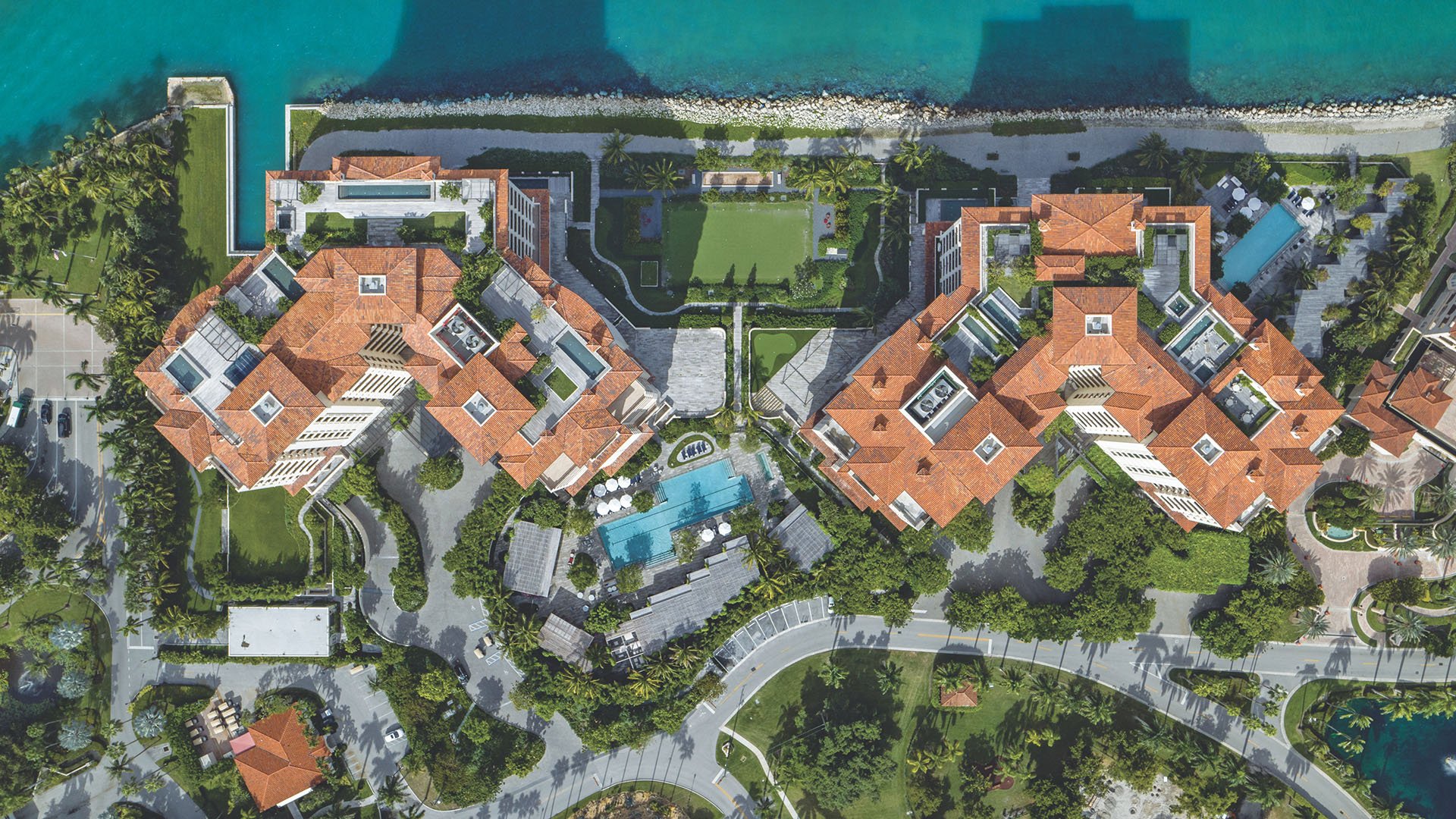
For a residence at Palazzo del Sol or Palazzo della Luna, request the unit’s actual ledger, current budget, estoppel, reserve schedule, insurance documentation, assessment history, and written club terms before the diligence deadline. Building-level documents-not island-wide assumptions-control the analysis.
Annualize building dues, community charges, and club obligations, then divide the recurring total by interior square footage to establish a cost-per-square-foot measure. Keep initiation fees and working-capital contributions in a separate one-time column so acquisition and recurring expenses remain distinct.
Fee level alone is an incomplete measure. Association dues may support structural maintenance, landscaping, infrastructure, security, common-area utilities, insurance components, and reserves. A higher charge can reflect broader services or stronger funding; a lower charge can conceal deferred work or exposure to future assessments.
This framework also sharpens pricing and trend comparisons with waterfront alternatives elsewhere in Miami. A buyer comparing The Links Estates at Fisher Island with The Residences at Six Fisher Island should evaluate each opportunity through its own contractual allocations and current operating documents, even when the purchase prices appear comparable.
Resale liquidity depends partly on what the next buyer will discover. Reserve funding, insurance status, pending assessments, and prior special assessments can influence confidence and pricing. Board approval, interviews, and financial disclosures may also extend timelines and narrow the future purchaser pool.
Ask whether club membership transfers, whether a new initiation obligation applies, how working capital is calculated, and which approvals are required. Confirm every answer in writing. A favorable purchase price can be offset by obligations that make the residence more expensive or cumbersome for the next owner.
Preserve the final estoppel, budgets, reserve materials, insurance documents, assessment history, club terms, and approval records after closing. An orderly resale file allows a future buyer to understand the property quickly and reduces uncertainty during diligence.
A useful decision sheet has four columns: purchase price, one-time buyer costs, recurring annual costs, and contingent liabilities. Include a second scenario for financing, a third for shifted seller expenses, and a sensitivity case for an assessment or dues increase. The objective is not to predict every expense, but to identify the variables that could materially alter ownership economics.
The strongest Fisher Island purchase is not automatically the residence with the lowest fees. It is the one with a transparent expense structure, services that support the intended experience, and documents that give a future purchaser confidence. That alignment protects both enjoyment and long-term resale positioning.
What closing-cost range should a Fisher Island buyer initially model? A general luxury Florida condominium estimate is 1.5% to 3% of the purchase price, with the buyer’s share varying by cash, financing, resale, or developer structure.
Who usually pays deed documentary stamps in a resale? The seller customarily pays them, although the purchase contract can allocate the expense differently.
How much are deed stamps on a $5 million Miami-Dade condominium? At $1.05 per $100, the amount is approximately $52,500.
Who generally pays for the owner’s title policy? In a typical Miami-Dade resale, the seller pays for the owner’s policy, while the buyer pays title-search costs and any lender’s policy.
Does financing increase closing costs? Yes. Lender-related title coverage, documentary stamp tax on the note, and Florida’s nonrecurring intangible tax can increase the buyer’s burden.
What is a working-capital contribution? It is a nonrefundable association contribution due at closing, often equal to approximately two months of HOA dues in Miami condominiums.
Are club costs included in condominium dues? No. Club initiation and ongoing obligations are separate from building and community-association charges and should be verified in writing.
Which association records matter most for resale? Review current budgets, reserves, insurance, pending assessments, prior special assessments, estoppels, and approval requirements.
Why annualize fees by square foot? It creates a consistent basis for comparing residence sizes, service packages, and competing ultra-luxury properties.
Can board approval affect future liquidity? Yes. Interviews, financial disclosures, and approval timing can extend a sale and reduce the pool of eligible purchasers.
For a tailored shortlist and next-step guidance, connect with MILLION.
If branded residences are on your mind — as a home or as an allocation — we would be glad to share what we are seeing, privately.
Begin a quiet conversation