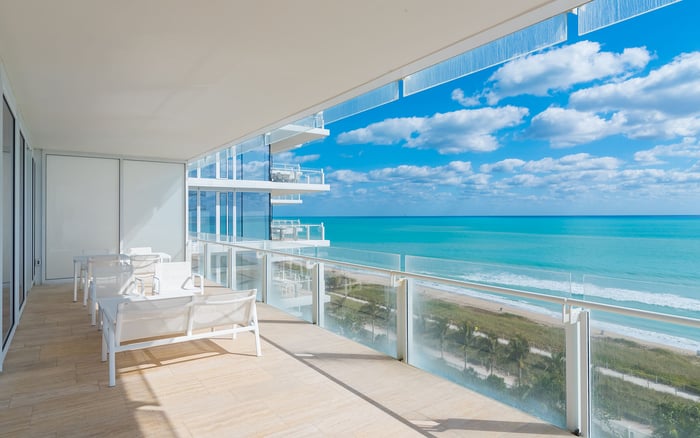
In Surfside, rental potential depends on both municipal registration requirements and each property's governing documents. Buyers should model fees, taxes, approval procedures, occupancy controls, and access protocols alongside the less quantifiable value of privacy and low turnover.
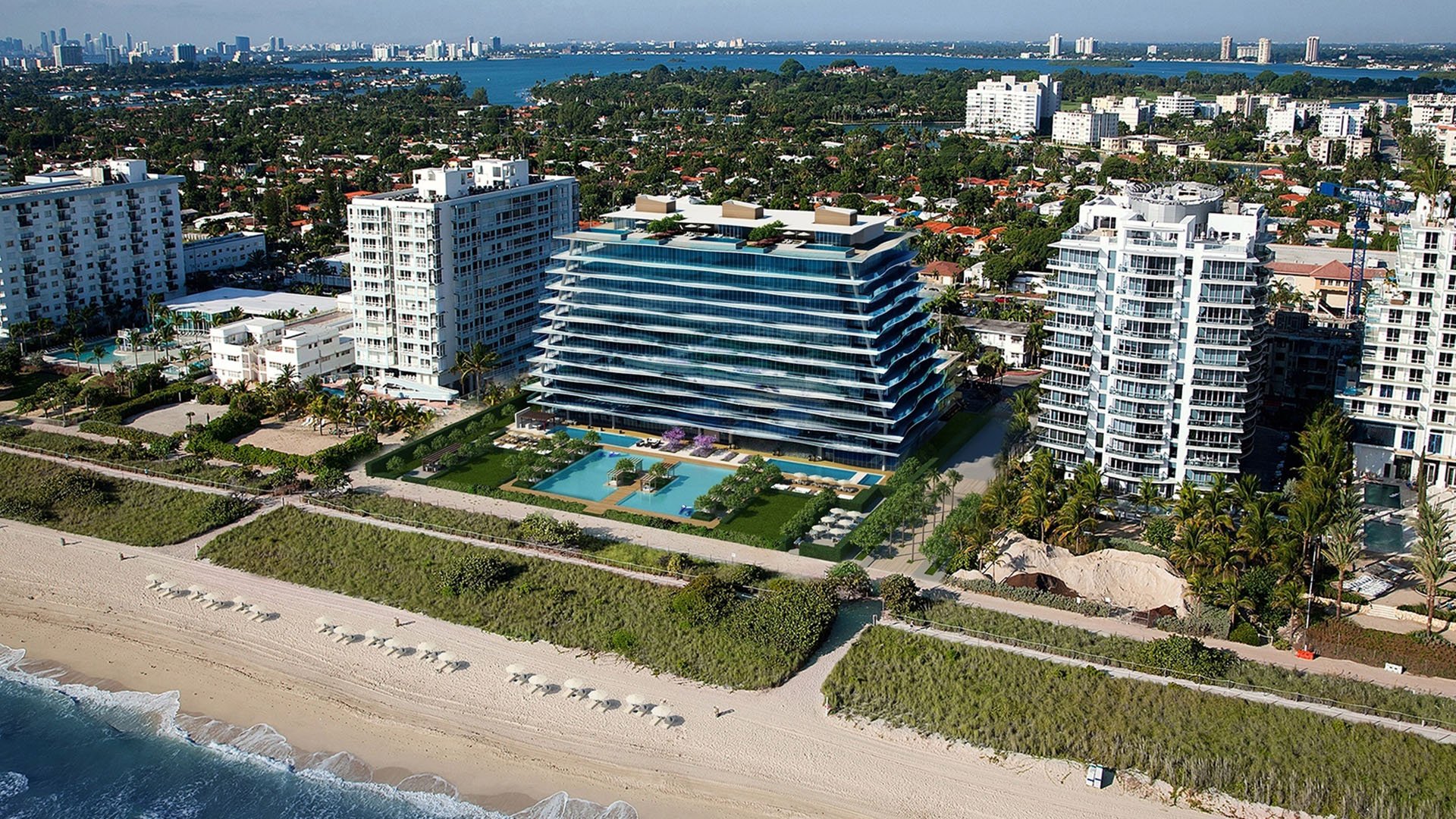
In Surfside, the appeal of an oceanfront home is inseparable from the rules governing its use. A buyer may envision a private winter retreat, occasional rental income, and effortless family visits. Yet municipal registration, condominium procedures, lease minimums, screening, and access controls can materially reshape that plan.
This is not merely an investment calculation. It is a lifestyle decision involving convenience, discretion, and the cadence of occupancy. The right fit depends on whether an owner values rental flexibility, low turnover, controlled access, or a balance among all three.
Surfside requires registration before a seasonal resident may occupy-or an owner may offer-a qualifying single-family, two-family, multifamily, or townhouse dwelling. Each rental period requires a separate registration, and a qualifying dwelling is limited to three rental registrations in any consecutive 12-month period. Applications are submitted to the town manager or the manager’s designee.
That cap should be incorporated into any rent projection before condominium restrictions enter the analysis. It can limit how often an owner monetizes otherwise vacant periods, particularly when personal stays are interspersed throughout the year. Registration requirements also prohibit overcrowding and bar non-habitable rooms from being used for living, eating, sleeping, or cooking.
Gross rent is only the opening line of an underwriting model. The town registration fee has been stated as $100 for each rental period, while Surfside rental income has been described as subject to a 4% resort tax. Both figures should be confirmed directly before purchase or leasing.
Owners should also model association application charges, new-occupancy fees, deposits, screening costs, management time, and potential gaps created by approval timing. Even modest per-occupancy expenses become meaningful when paired with a limited number of rental periods. The relevant measure is net income after compliance, turnover, and administration-not the advertised rental rate.
Municipal permission does not override a building’s declaration, bylaws, or rules. An association may impose longer lease minimums, tighter occupancy limits, template approvals, background checks, deposits, renewal procedures, or more restrictive guest protocols.
One publicly available Surfside III rule set illustrates the distinction. It requires a written agreement for every tenant, association approval of the owner’s standard lease template, credit and background checks, and a $100 fee for each new occupancy. It also prohibits leases shorter than 30 days and disallows subleasing. Its tenant-registration form must be submitted within five working days of occupancy.
These provisions are illustrative; they do not establish that every Surfside condominium follows the same system. Buyers considering Arte Surfside or Ocean House Surfside should obtain and compare the current governing documents and management guidance for the specific residence.
Controlled access can be desirable. Identity checks, tenant registration, and formal approvals may support a quieter environment with fewer unfamiliar occupants. For a privacy-oriented second-home owner, that structure can be part of the luxury proposition rather than an inconvenience.
The tradeoff is greater visibility and less spontaneity. Guest and tenant information may pass through management, while credentials can depend on completed registration. Under the illustrative Surfside III rules, tenants do not receive gate or clubhouse access cards until registration is complete. An unplanned arrival may therefore become an administrative event, and amenity access may not be immediate.
This balance deserves particular attention at highly private properties such as Fendi Château Residences Surfside and The Surf Club Four Seasons Surfside. Project selection alone does not resolve the policy question. Current, residence-specific documents do.
A restrictive building may suit an owner who prizes quiet corridors, familiar occupancy patterns, and limited turnover. It may be less suitable for someone pursuing frequent short stays or alternating personal use with numerous rental windows.
Before underwriting, confirm lease minimums, annual caps, approval timing, fees, deposits, access-card procedures, guest registration, occupancy standards, renewal requirements, and subleasing restrictions. Ask management to explain the practical sequence from signed lease to full amenity access. Legal review of the declaration, bylaws, rules, application package, and fee schedule can reveal obligations that a listing summary may not capture.
How many rental registrations may a qualifying Surfside dwelling receive? The town limits qualifying dwellings to three rental registrations in any consecutive 12-month period.
Is one registration sufficient for multiple rental periods? No. Surfside requires a separate registration for each rental period.
Can an association impose tighter rules than the town? Yes. Association documents may add lease minimums, screening, fees, approvals, deposits, and occupancy controls.
Are leases shorter than 30 days always prohibited in Surfside? No. The 30-day minimum applies to the illustrative Surfside III rules and should not be generalized to every property.
What direct municipal costs should an owner investigate? The fee has been stated as $100 per rental period, but buyers should confirm the current amount directly.
Does rental income face a local tax? Surfside rental income has been described as subject to a 4% resort tax, which should be verified before underwriting.
How can access rules affect tenants? Registration may need to be completed before gate or clubhouse credentials are issued, potentially delaying convenience and amenity use.
Do guest policies affect owner privacy? They can support controlled access while increasing management visibility into who occupies or visits a residence.
What documents should a buyer request? Request the current declaration, bylaws, rules, rental application, fee schedule, and written management guidance.
Who is best suited to restrictive rental policies? They may favor owners who prioritize quiet, privacy, and low turnover over frequent short-term rentals.
For a discreet conversation and a curated building-by-building shortlist, connect with MILLION.
If branded residences are on your mind — as a home or as an allocation — we would be glad to share what we are seeing, privately.
Begin a quiet conversation