Muse and Turnberry Ocean Club offer distinct approaches to private oceanfront living. For buyers, the essential distinction is between controlled arrival, visual discretion, and sound isolation that can be verified for a particular residence.
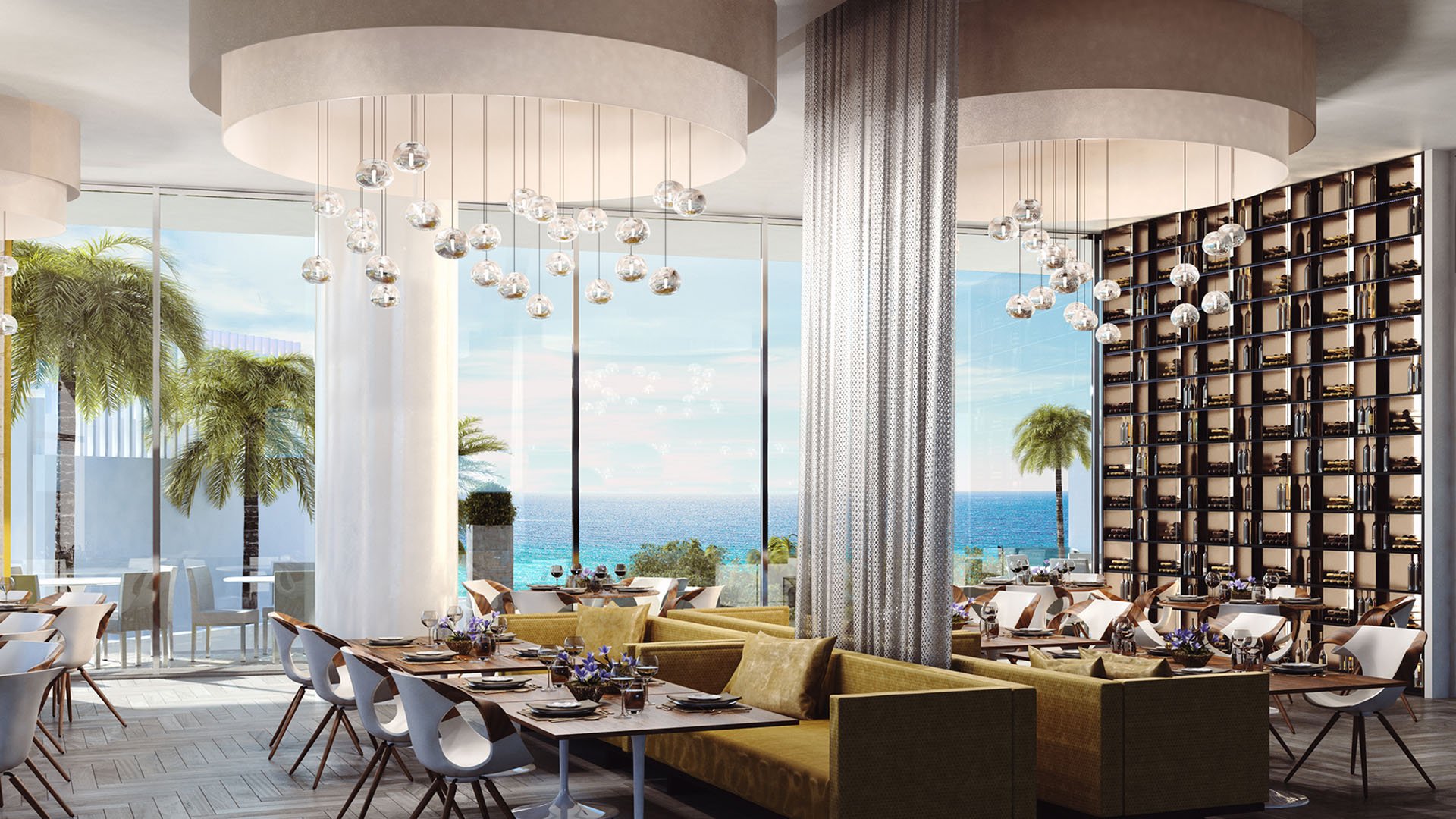
The most consequential questions in an oceanfront purchase often emerge after the view has made its impression. Who can approach the residence? What can neighboring occupants see? What might be heard in a bedroom when the building is fully in use? These are distinct dimensions of privacy. A persuasive answer to one does not settle the others.
In Sunny Isles Beach, Muse and Turnberry Ocean Club offer a useful comparison. Muse emphasizes boutique scale, controlled entry, and privacy technology. Turnberry emphasizes a club-oriented lifestyle, private arrival, and separate service circulation. Neither proposition, on its own, establishes how effectively a particular residence isolates voices, footfall, bass, or equipment vibration.
For buyers who value quiet as much as discretion, the meaningful comparison is not simply tower against tower. It is one selected residence against another, supported by plans, applicable building requirements, and acoustic evidence-not impressions alone.
At 17141 Collins Avenue, Muse Residences Sunny Isles Beach has 68 residences. Its marketed features include private elevator access with biometric security and direct elevator access to a dedicated foyer. These details matter to buyers seeking controlled arrival and separation between domestic space and shared circulation.
Muse also offers Smart Glass privacy walls and intelligent shade systems within its advertised technology package. These belong in the visual-privacy conversation. They are not acoustic specifications or evidence that conversations remain inaudible beyond a room or residence.
Likewise, split-plan residences and full-floor penthouses describe spatial arrangements, not measured sound isolation. Advertised wood and marble flooring call for a separate question about the installed flooring assembly and applicable underlayment requirements.
Even the documented use of nearly 150,000 linear feet of concrete block is a construction detail, not a tested sound rating. Ask which assembly separates the selected home from adjoining spaces-not merely which materials appear in the building's construction history.
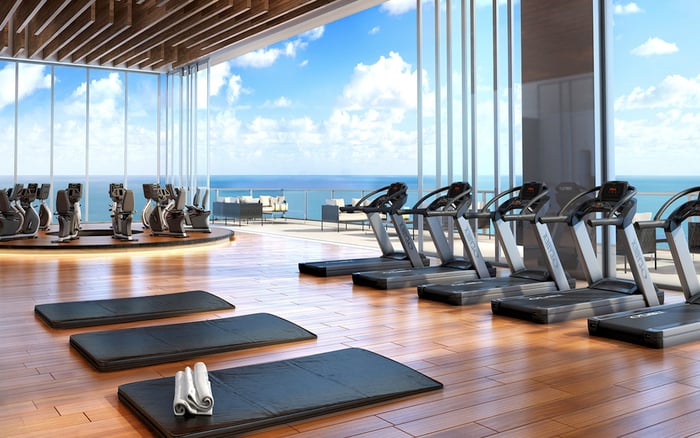
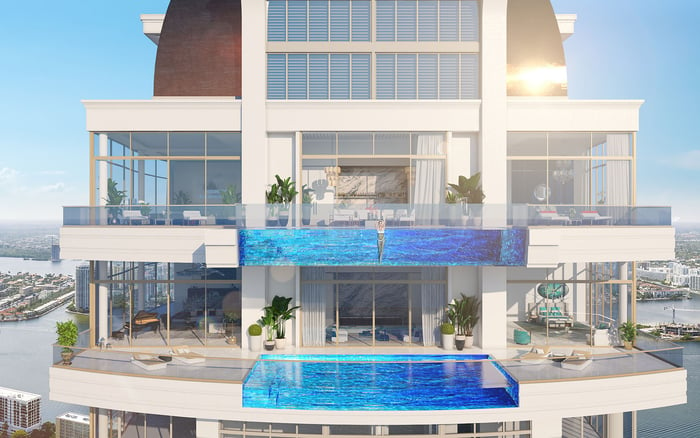
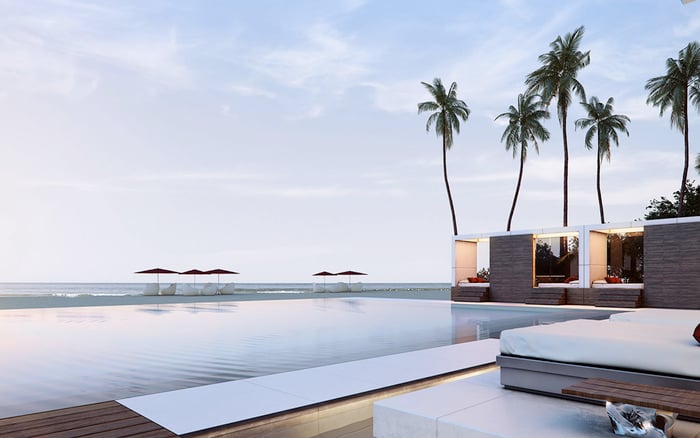
At 18501 Collins Avenue, Turnberry Ocean Club Sunny Isles presents a different emphasis: oceanfront living organized around multilevel club amenities, including elevated pools and lounges. Residence features include private elevators, ocean and Intracoastal views, and private staff quarters with a bathroom.
Private service elevators are advertised separately from three high-speed resident elevators. That distinction matters. It does not mean that three elevators are dedicated to each residence, nor does it establish acoustic separation between elevator infrastructure and a particular bedroom.
For buyers who entertain or maintain household staff, separate service circulation can be a compelling planning feature. The next step is to trace it on the selected residence's plans: Where do deliveries arrive, which spaces serve staff, and how do those routes relate to sleeping and living areas?
The club program deserves the same precision. Its amenities establish its appeal; their relationship-and that of their equipment-to an individual home requires a separate review. Neither extensive amenities nor private access establishes acoustic performance.
Mechanical adjacency should be assessed through drawings, not inferred from floor height or a polished showing. Request plans identifying the selected residence's relationship to elevator shafts, service spaces, mechanical rooms, and amenity equipment. Extend the review to the floors immediately above and below, rather than examining only the residence's own level.
Ask the building team to locate HVAC equipment, exhaust routes, pumps, and other relevant systems on those plans. Then ask which systems operate intermittently and which may remain active during the hours that matter to your household. These are verification questions, not claims that either tower places such equipment beside a particular residence.
For bedrooms, a home office, or a media room, have an appropriately qualified specialist assess any identified adjacency and advise whether further inspection or testing is warranted. A quiet visit is useful, but it cannot substitute for understanding the conditions under which it took place.
Muse advertises 60-foot-wide balconies with built-in speakers and televisions. Turnberry advertises 11-foot-deep balconies and summer kitchens. These features make outdoor entertaining part of the purchasing conversation; they do not establish that disturbances occur at either property.
Before committing, verify dimensions against the selected residence's plans and review its relationship to neighboring outdoor spaces. Ask about terrace audio rules, permitted use hours, complaint procedures, and restrictions affecting speakers or entertainment installations.
During an authorized visit, spend time on the terrace as well as inside the residence with the doors closed. Ask whether a return visit at a different time would be possible. The objective is to understand the home as it will be occupied, not just as it has been presented.
Visual screening, balcony dimensions, and acoustic separation remain distinct questions. None should substitute for the others when evaluating privacy between residences.
The information available here establishes no acoustic advantage for either tower. Verified STC/IIC ratings, field sound tests, and unit-specific mechanical plans have not been established for this comparison. Buyers should therefore request documentation rather than infer performance from a building's scale or positioning.
A focused review should address four items:
Tested wall and floor assemblies, with confirmation of their relevance to the selected residence.
Flooring-underlayment requirements and available documentation for alterations within that home.
Plans locating neighboring residences, elevators, service areas, terraces, and amenity equipment.
Available field testing and whether a specialist recommends additional unit-specific evaluation.
Keep building-condition diligence separate but connected. A Turnberry association lawsuit publicized in April 2024 alleged defects involving concrete, stucco, glazing, waterproofing, corrosion, wall cracking, paint, and accessibility. Those allegations were not findings of acoustic failure. Buyers should have counsel obtain the current status of litigation and remediation, rather than assume that historical allegations establish either today's condition or a sound-isolation problem.
The same discipline belongs in a broader search that includes Jade Signature Sunny Isles Beach. Apply the same questions to every candidate without presuming equivalent construction, equipment placement, or acoustic performance. Consistent criteria produce a more useful comparison than a hierarchy based on amenity language.
Muse's documented features speak to boutique scale, controlled entry, and visual privacy. Turnberry's speak to private arrival, service circulation, and club living. The purchase decision should then turn on how the selected residence supports the buyer's daily routines, especially sleep, work, entertaining, and household service.
The strongest conclusion is not that one tower is inherently quieter. It is that the preferred home should earn that confidence through residence-specific evidence.
For a discreet conversation about selecting an oceanfront residence, connect with MILLION.
If branded residences are on your mind — as a home or as an allocation — we would be glad to share what we are seeing, privately.
Begin a quiet conversationThe available information does not establish an acoustic winner. A meaningful comparison requires evidence relevant to the particular residences being considered.
No. Private elevators address access and arrival privacy, but do not establish isolation from neighboring residences or equipment.
It supports Muse's boutique positioning. It does not independently establish the performance of shared walls or floors.
Muse advertises Smart Glass privacy walls as part of its technology offering. No acoustic-performance specification for those walls is established in this comparison.
The advertised three high-speed resident elevators should not be interpreted as three elevators dedicated to each home. Private service elevators are described separately.
Request plans showing the residence's relationship to elevators, service spaces, mechanical rooms, and amenity equipment, including spaces above and below it.
Muse advertises outdoor speakers and televisions, while Turnberry advertises summer kitchens. Buyers should clarify outdoor-use and audio rules without assuming those features cause disturbances.
Request applicable tested wall and floor assemblies, flooring-underlayment requirements, and any available field sound tests. Ask a qualified specialist whether additional evaluation is warranted.
No. The publicized allegations concerned several construction and accessibility issues, not findings of acoustic failure; current litigation and remediation status require separate verification.
A visit is useful but should be considered alongside plans, building requirements, and relevant acoustic evidence. Where possible, arrange another visit under different operating conditions.