A privacy-focused framework for comparing Mr. C Tigertail Coconut Grove and Banyan Tree Residences West Palm Beach without treating branding alone as proof of service, access or ownership experience.
For South Florida buyers in 2026, residential hospitality can be evaluated by how effectively a property supports daily life while protecting personal space. A recognizable brand may shape expectations, but privacy depends on the practical relationship among residents, staff, guests and shared areas.
Mr. C Tigertail Coconut Grove and Banyan Tree Residences West Palm Beach provide a useful framework for that evaluation. Rather than assuming that the two names represent the same ownership experience, buyers can examine how each project addresses access, service delivery, circulation and the transition from public arrival to private residence.
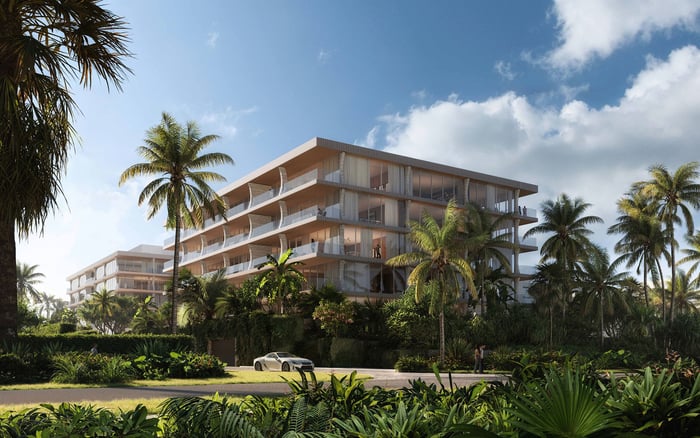
At Mr. C Tigertail Coconut Grove, a privacy review should begin with the operating experience. Buyers can ask how requests are handled, where guests arrive, how staff enter residential areas and which services require advance coordination. These details help distinguish attentive residential support from a more visible hospitality environment.
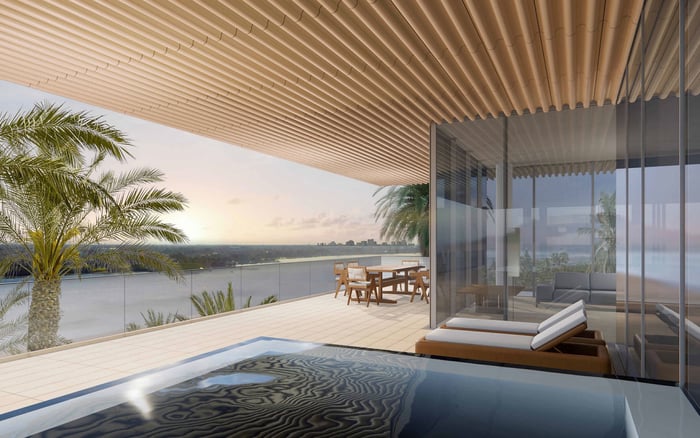
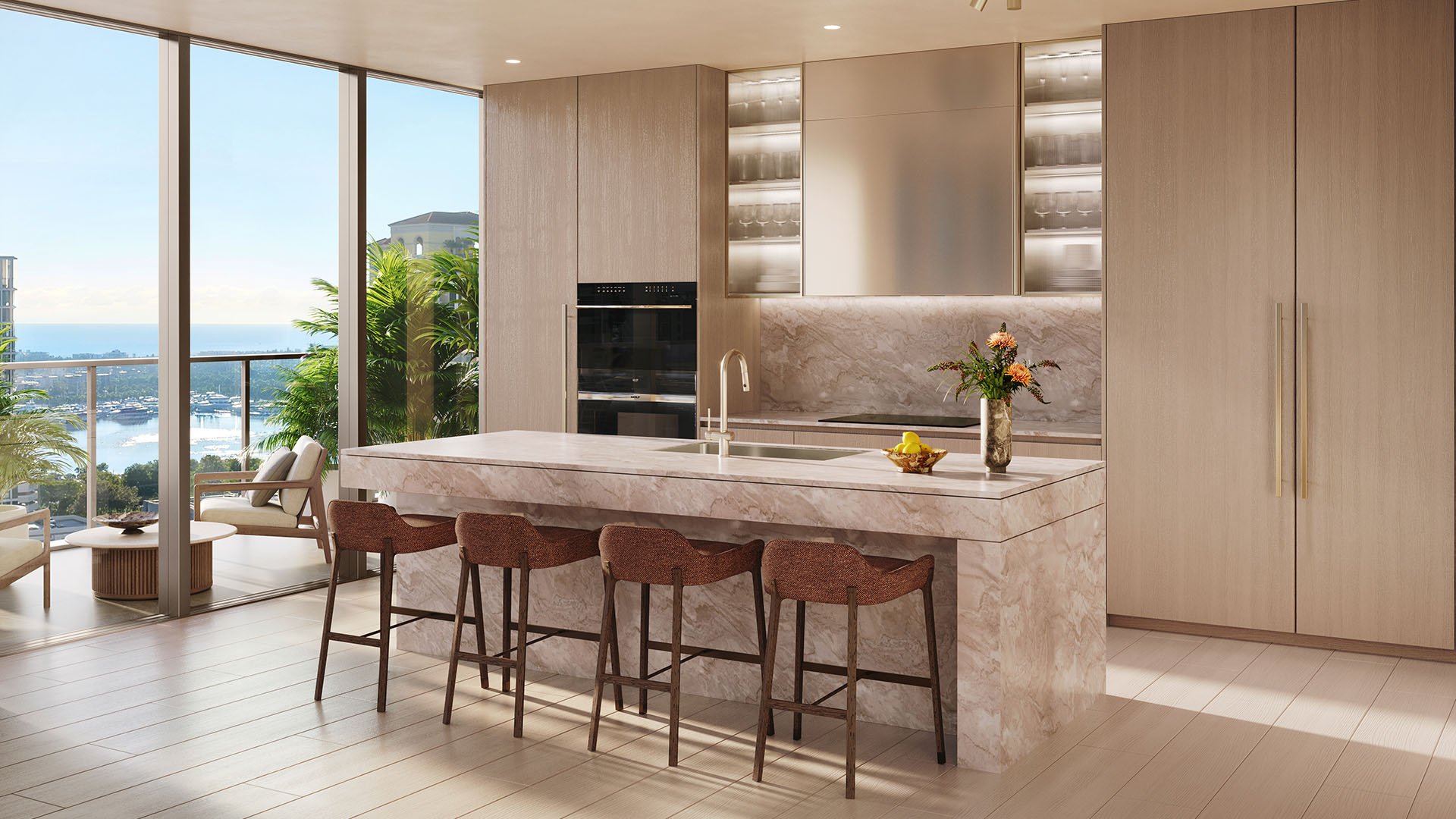
The residence itself also matters. Entry sequence, exposure to shared corridors, separation of entertaining and sleeping areas, and the relationship between indoor and outdoor spaces can affect privacy as much as the service model.
Buyers comparing branded residences in Coconut Grove may also review Four Seasons Residences Coconut Grove. The purpose of that comparison is not to assume equivalent services, but to identify which questions should be answered consistently across branded projects.
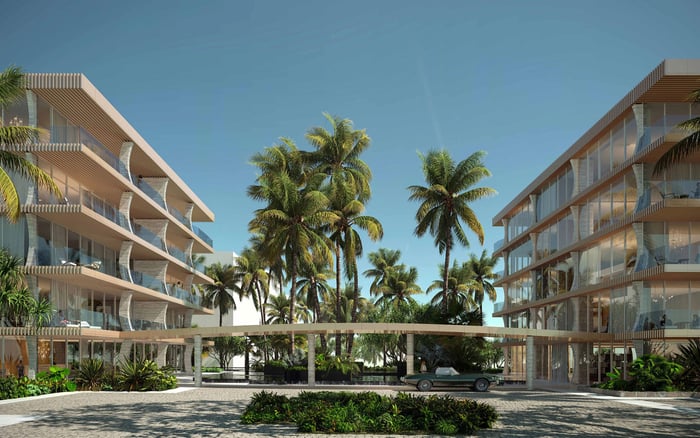
At Banyan Tree Residences West Palm Beach, buyers should apply the same discipline to plans and project documents. Floor access, elevator arrangements, residence placement, shared-space circulation and guest procedures should be confirmed rather than inferred from branding or marketing language.
Wellness-oriented positioning can contribute to a sense of retreat, but buyers should verify which spaces are planned, how they will be operated and whether access is shared, reserved or subject to separate terms. Privacy is strongest when the physical plan and operating rules support the same expectation.
Within West Palm Beach, Mr. C Residences West Palm Beach and Mandarin Oriental Residences, West Palm Beach can provide additional branded-residence context. Buyers should compare each property on its own documented terms rather than treating brand categories as interchangeable.
Location influences how residential hospitality is experienced. A buyer considering Coconut Grove may prioritize the way a residence relates to an established neighborhood routine, while a West Palm Beach buyer may focus on the connection between the home, shared amenities and the surrounding urban environment.
Neither setting automatically provides more privacy. The relevant question is whether the project’s circulation, staffing model and residence layout match the buyer’s habits. Owners who host frequently, travel often or divide time among homes may reach different conclusions from full-time residents seeking a consistent daily routine.
Before choosing either model, buyers should request the documents governing access, services, guest procedures, shared spaces and recurring obligations. Any representation about completion, delivery, amenities, pricing or operating policy should be confirmed directly through current project materials and professional review.
A useful comparison should address five areas: the path from arrival to residence, the visibility of service activity, the separation of resident and guest movement, the rules governing amenity access, and the costs attached to optional or included services. This approach turns privacy from an abstract promise into a practical due-diligence standard.
Are Mr. C Tigertail Coconut Grove and Banyan Tree Residences West Palm Beach hotel residences? Buyers should verify each project’s legal structure and operating model through current project documents rather than relying on brand association.
Does a hospitality brand guarantee residential privacy? No. Privacy depends on design, access controls, operating procedures and how services are delivered.
What should buyers ask about private access? Ask how residents, guests, staff and vendors enter the property and move through residential areas.
Why does elevator planning matter? Elevator arrangements can influence shared circulation and the transition between common areas and the home.
How should buyers evaluate service claims? Confirm which services are included, optional or separately charged, along with their hours and request procedures.
Can amenities affect privacy? Yes. Buyers should examine access rules, reservation systems, guest policies and the location of amenities relative to residences.
Should buyers rely on marketing materials for project timing? No. Completion and delivery expectations should be checked against current contracts and official project documents.
How can buyers compare Coconut Grove with West Palm Beach? Consider how each location fits daily routines, travel patterns, entertaining needs and the desired relationship with the surrounding neighborhood.
What documents deserve close review? Review the purchase agreement, governing documents, disclosed specifications, fee schedules and policies relevant to access and services.
What is the central privacy question for a 2026 buyer? Determine whether the residence’s physical plan and operating model support the buyer’s preferred level of discretion in everyday life.
If you'd like a private walkthrough and a curated shortlist, connect with MILLION.
If branded residences are on your mind — as a home or as an allocation — we would be glad to share what we are seeing, privately.
Begin a quiet conversation