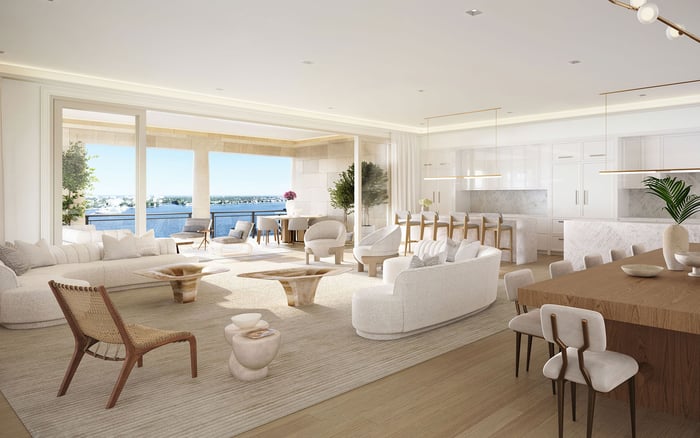
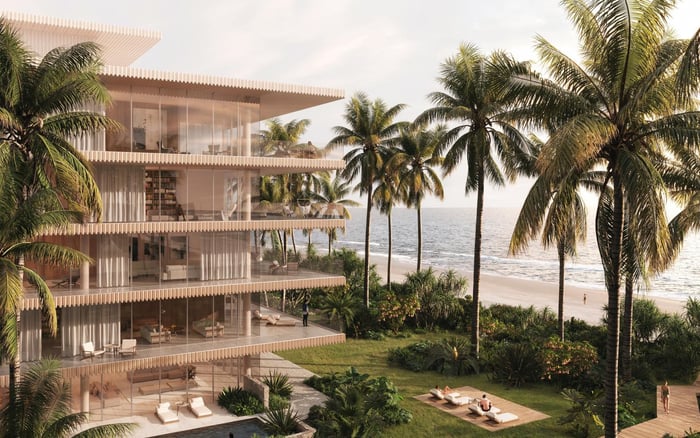
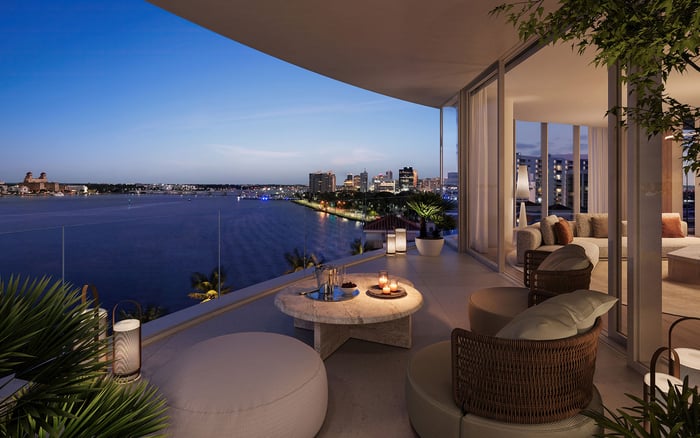
A discreet analysis of how Maison D'Or South Flagler and Edgeworth West Palm Beach use brand language, lifestyle cues, and residential credibility to shape perceived value in West Palm Beach luxury real estate.
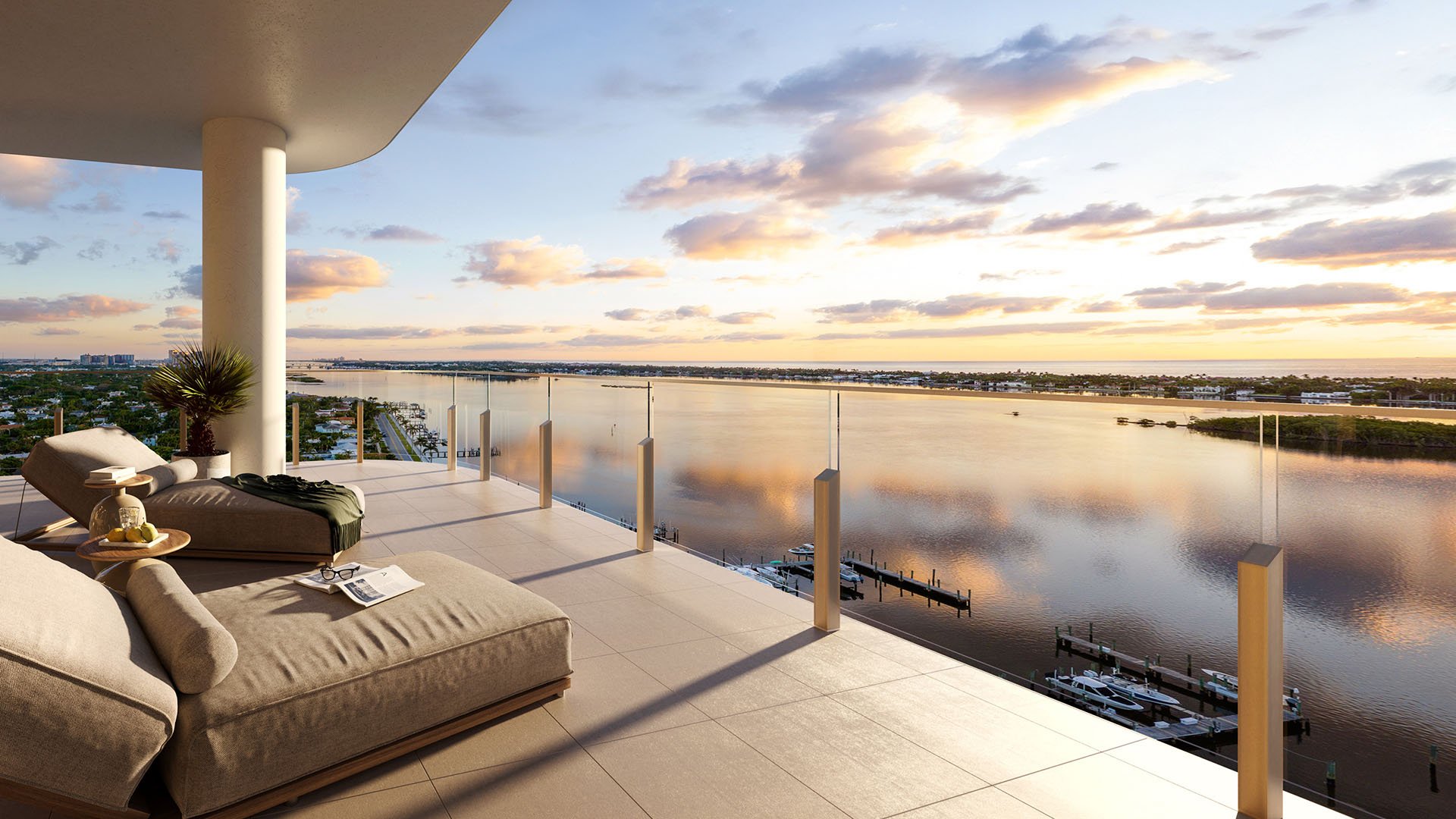
In West Palm Beach, luxury condominium value is no longer explained by waterfront position alone. The view still matters, the address still carries weight, and proximity to Palm Beach remains a powerful signal. Yet for today’s affluent buyer, the decision is increasingly emotional as well as financial. A residence must communicate identity, taste, discretion, and a sense of belonging before the buyer ever studies a floor plan.
That is the context behind Maison D'Or South Flagler and Edgeworth West Palm Beach. Each sits in a market where buyers are not simply comparing square footage, water exposure, or building height. They are weighing the credibility of a lifestyle story. The strongest projects do not merely describe luxury; they translate it into a residential experience that feels coherent from arrival to amenity, from architecture to service, from name to daily ritual.
For South Florida’s upper tier, brand language has become a form of value architecture. It organizes expectations and gives buyers a vocabulary for why one building feels more rare, more refined, or more aligned with their personal identity than another. When that language is reinforced by tangible product attributes, it can support confidence. When it is unsupported, it becomes noise.
Maison D’Or South Flagler is best understood as a study in how a luxury residential idea can be converted into buyer perception. The name itself evokes an intimate, European-coded vocabulary of refinement rather than a purely corporate condominium identity. In a market crowded with superlatives, that tonal choice matters. It points toward privacy, polish, and a curated sense of home.
The South Flagler and West Palm Beach context gives the project a strong residential frame. Here, the buyer is often weighing the serenity of waterfront living against the cultural and social energy of the broader Palm Beach orbit. The building’s language must therefore do more than suggest beauty. It must make a case for why this particular version of West Palm Beach living feels distinctive.
That case is strongest when the message aligns with the product. Refinement must appear in materials, arrival sequences, interior proportions, and amenity programming. Scarcity must feel real, not simply claimed. A curated lifestyle must be legible in the rhythm of the building, including how residents move through private, shared, and service-oriented spaces.
The lesson is not that branding replaces real estate fundamentals. It is that branding can sharpen them. A strong waterfront location may open the conversation, but design language, amenity philosophy, and residential service help close it.
Edgeworth West Palm Beach enters a buyer landscape that has become more fluent in luxury branding. These buyers have seen hotel flags, fashion houses, wellness concepts, boutique condominiums, and design-and-architecture-driven narratives throughout South Florida. They know when a brand promise feels earned, and they know when it feels applied after the fact.
For Edgeworth, the central question is not whether brand language can create interest. It can. The more meaningful question is whether the eventual residential experience will make that language feel inevitable. In the upper market, buyers respond to restraint, clarity, and consistency. A project does not need to shout if its concept is strong enough to be understood through proportion, service, materiality, and the quality of daily life.
This is where West Palm Beach differs from more frenetic urban markets. The best-positioned buildings here often succeed through composure. They present luxury as calm control rather than spectacle. Edgeworth’s brand value will depend on how persuasively it fits within that expectation.
The rise of branded residences has changed how buyers interpret residential value across South Florida. Projects tied to hospitality, design, or lifestyle names often arrive with a preloaded promise. Buyers understand the shorthand immediately: service, identity, taste, and a certain social signal.
But West Palm Beach also shows that a powerful residential brand does not always require a globally recognized badge. A project can build value through its own language if the identity is specific, disciplined, and reflected in the built experience. Maison D’Or illustrates this more nuanced category. It relies less on a borrowed global halo and more on the ability to make its own brand world feel desirable.
Nearby West Palm Beach offerings such as Forté on Flagler West Palm Beach and South Flagler House West Palm Beach help frame the broader competitive conversation. In this corridor, a buyer may consider several visions of luxury, each with its own tone and priorities. The winning proposition is not always the loudest. It is the one that feels most complete.
Brand language creates value when it reduces uncertainty. A sophisticated buyer wants to understand not only what is being purchased, but what ownership will feel like. Words such as refinement, scarcity, privacy, wellness, or curated living are not valuable on their own. They become valuable when they help the buyer imagine a credible daily experience.
This is why narrative assets matter. Visual identity, design collaborators, amenity programming, and service concepts all contribute to the sense that a project has been deliberately composed. In high-end condominium sales, that composition can become part of the asset. It helps the buyer justify preference, not only to the market but to themselves.
The risk is generic language. If every project promises elegance, exclusivity, and world-class living, the words lose force. The stronger approach is more exacting. A project should reveal its brand through sequence and behavior: how the lobby feels at arrival, whether common spaces encourage calm or performance, whether amenities feel useful rather than ornamental, and whether the service model supports the lifestyle being described.
For buyers tracking pricing and trends, this distinction is important. A persuasive brand can support perceived value, but only when the underlying product gives the language weight.
A buyer evaluating Maison D’Or, Edgeworth, or any comparable West Palm Beach residence should look beyond the brochure vocabulary. The first question is whether the design narrative has discipline. Does the project feel like a single idea expressed through architecture, interiors, amenities, and service, or like a collection of luxury phrases?
The second question is whether the lifestyle promise matches how the buyer actually lives. Some residents want hospitality-level service. Others want privacy, quiet, and a limited social footprint. Some value wellness programming, while others care more about arrival, storage, views, and ease of ownership. The best brand language helps a buyer recognize fit.
The third question is whether scarcity is structural or rhetorical. True scarcity can come from location, limited availability, architectural distinction, or an unusually coherent resident experience. Claimed scarcity without tangible reinforcement rarely holds the same power.
In the West Palm Beach market, Mandarin Oriental Residences, West Palm Beach adds another layer to this discussion by reminding buyers how strongly service expectations can shape perceived residential value. Whether branded by a hospitality name or developed as a distinct private address, the standard is increasingly the same: the story must be lived, not merely told.
The most compelling luxury language in West Palm Beach is often quiet. It does not depend on maximal adjectives. It depends on precision. Maison D’Or’s opportunity is to make refinement feel tangible. Edgeworth’s opportunity is to make its positioning feel credible within a buyer set highly attuned to nuance.
For sellers and developers, the implication is clear. Brand language should not be treated as decoration. It is a strategic framework that must guide decisions from first impression to long-term ownership. For buyers, the implication is equally clear. The most valuable residences are those where the promise and the product meet without friction.
In a market where waterfront land, architectural ambition, and buyer sophistication continue to converge, the next measure of luxury may be coherence. West Palm Beach buyers are not just purchasing residences. They are purchasing confidence that the residence understands the life they intend to live.
Why does brand language matter in luxury real estate? It helps buyers understand the lifestyle, identity, and level of refinement attached to a residence before they compare physical details.
Is waterfront location still the main driver of value in West Palm Beach? Waterfront position remains important, but buyers also weigh design language, service, scarcity, and lifestyle credibility.
How does Maison D’Or South Flagler create perceived value? Its positioning centers on refinement, scarcity, and a curated residential identity within the West Palm Beach luxury condominium context.
How should buyers think about Edgeworth West Palm Beach? Buyers should evaluate whether its brand promise is supported by the eventual architecture, interiors, amenities, and resident experience.
Can branding support buyer confidence? Yes, when it is reinforced by tangible product attributes rather than relying on generic luxury language.
What makes luxury branding feel credible? Consistency across arrival, design, amenities, service, and daily use makes a project’s language feel earned.
What is the risk of weak brand language? Unsupported language can become marketing noise if it does not match the real residential experience.
Are branded residences always more valuable? Not automatically. Their value depends on whether the brand promise is meaningfully translated into the resident experience.
What should buyers compare beyond unit size and views? They should compare lifestyle fit, design coherence, service expectations, privacy, and the credibility of the building’s story.
Why is West Palm Beach attracting this kind of buyer attention? The market combines waterfront appeal, Palm Beach proximity, and a rising expectation for refined, identity-driven residential living.
If you'd like a private walkthrough and a curated shortlist, connect with MILLION.
If branded residences are on your mind — as a home or as an allocation — we would be glad to share what we are seeing, privately.
Begin a quiet conversation