A practical framework for evaluating the building rules and operating details that shape family life in a Miami luxury residence.
For a family choosing a Miami residence, the most consequential details are often the least photogenic. Pet rules, service-elevator procedures, and guest-parking protocols shape mornings, school pickups, deliveries, caregiver access, visits from relatives, and weekends with friends. They determine whether a building supports the household gracefully or adds small negotiations to daily life.
This entry in MILLION's Buyer's Guides treats these details as part of a residence's functional architecture. The objective is not to identify a universally ideal policy, but to find the operating model that fits the household-and then confirm it through current documents and direct questions before committing.
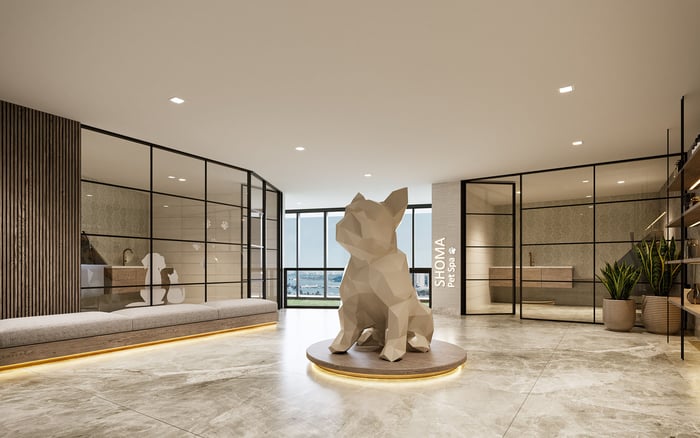
A building described as pet-friendly may still impose rules on the number and size of animals, registration, movement through common areas, elevator use, noise, waste, and access to outdoor spaces. Families should request the complete written policy rather than rely on a verbal summary. They should also consider pets over the full expected holding period, including the possibility of adding another animal later.
Map the policy against the household's routine. Where does a dog exit early in the morning? Which elevator may be used? Is there a practical place to wait if another resident is already traveling with an animal? Who may walk the pet, and what registration or access procedures apply to that person?
When considering Arbor Coconut Grove or another Coconut Grove residence, buyers can use these questions to compare policy with the family's preferred pace of life. The same discipline applies in every neighborhood: request the current language and identify who has the authority to interpret it.
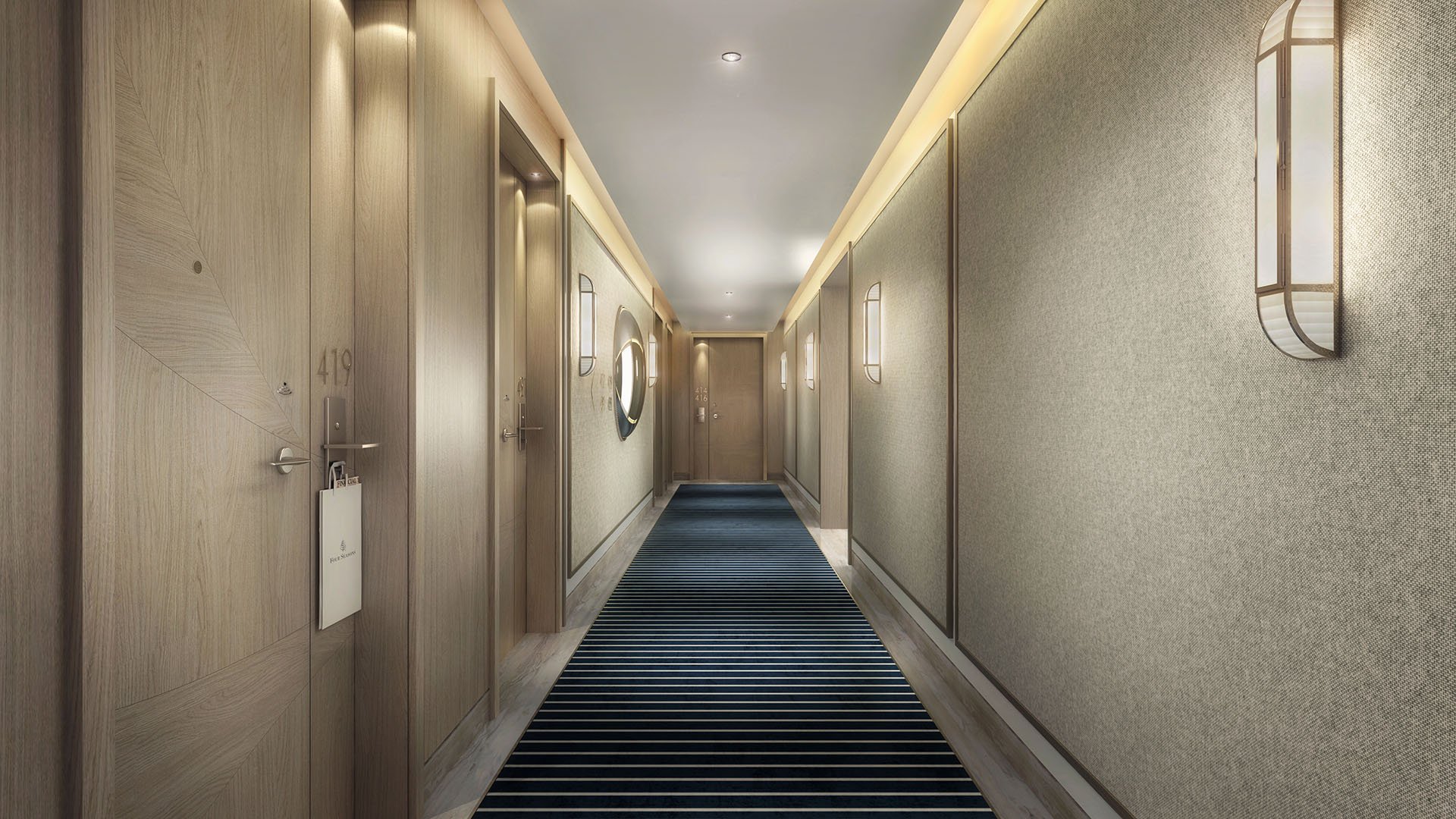
A service elevator is not merely a back-of-house feature. For families, it may shape move-ins, furniture deliveries, grocery arrivals, household-staff access, contractor visits, and the movement of strollers, sports equipment, and travel luggage. Buyers should understand when it can be reserved, whether advance notice is required, what happens during busy periods, and which entrance connects to it.
The most useful approach is to walk the entire route. Begin where a delivery vehicle or caregiver would arrive, continue through check-in and the elevator lobby, and finish at the residence. Note unnecessary transfers, tight turns, waiting areas, and any dependence on staff intervention. A plan that appears efficient on paper may feel very different when several family needs converge.
In a vertical neighborhood such as Brickell, a buyer comparing 2200 Brickell with other candidates should ask the same operational questions at every property. A consistent approach makes the differences easier to see and prevents dramatic finishes from overshadowing daily circulation.
Guest parking deserves the same scrutiny as a private entertaining space. The relevant question is not simply whether visitors can arrive by car, but how the entire sequence unfolds. Ask where guests enter, who validates access, whether the resident must authorize each arrival, which restrictions may apply, and how overnight or recurring visitors are handled.
Families should test several scenarios: grandparents arriving for dinner, a tutor visiting weekly, a caregiver changing shifts, children hosting friends, or houseguests staying longer than expected. Consider what happens when multiple visitors arrive at once and whether an alternative arrival plan would still feel appropriate.
For a Miami Beach comparison that includes Five Park Miami Beach, the buyer's task is not to infer parking practices from location or positioning. It is to obtain the current procedure and determine whether it matches the household's hospitality habits. The guest experience begins at arrival, not at the residence's front door.
The best diligence exercise is a calendar, not a generic checklist. Write down a normal weekday, a holiday weekend, a move-in, a renovation, a family celebration, and a period when the owners are away. Then test each building against those moments.
A household evaluating Aria Reserve Miami can place it in the same scenario grid as candidates in other areas. Score clarity, convenience, privacy, and the number of staff approvals required. This converts lifestyle preferences into comparable operating criteria without suggesting that every family values the same things.
Pay particular attention to how the rules interact. A pet may need one elevator while a delivery uses another. A guest may arrive while the household's vehicle is being retrieved. A caregiver may require recurring access rather than one-time authorization. The friction often lies between policies, not within a single rule.
Before purchasing, request current governing documents, applicable rules, fee schedules, and written procedures. Compare those materials with how management describes the building's practices. If an issue is essential, frame a precise question in writing and have the response reviewed by the buyer's appropriate advisers.
Also identify who can change or waive a rule. A courteous accommodation today is not the same as a durable right. Families should distinguish published policy from custom-and custom from a one-time exception. That distinction protects both convenience and expectations.
What is the first pet-policy document a buyer should request? Request the current written rules and every provision addressing animals, access, registration, and common areas.
Is a building described as pet-friendly automatically suitable for every family? No. Suitability depends on the household's animals, routines, caregivers, and tolerance for restrictions.
Should buyers ask about future pets? Yes. Test the rules against the household you may have later, not only the one moving in now.
Why does service-elevator scheduling matter? Scheduling can affect deliveries, moves, contractors, staff access, and other time-sensitive family routines.
What should buyers inspect during a service-route walk-through? Follow the route from arrival to the residence, noting check-in, transfers, turns, waiting areas, and dependence on staff.
How should recurring caregivers be considered? Ask how recurring access, identification, parking, and after-hours entry are handled under current procedures.
Is guest parking only relevant for entertaining? No. It can also shape visits from relatives, tutors, caregivers, children's friends, and household professionals.
What guest-parking scenarios should a family test? Test simultaneous arrivals, recurring visitors, overnight guests, holidays, and periods when the owners are away.
Can management's customary practice replace written rules? Custom may change, so material expectations should be checked against current documents and clarified in writing.
How can buyers compare otherwise different buildings fairly? Use identical family scenarios and score each property for clarity, convenience, privacy, and required approvals.
If you'd like a private walkthrough and a curated shortlist, connect with MILLION.
If branded residences are on your mind — as a home or as an allocation — we would be glad to share what we are seeing, privately.
Begin a quiet conversation