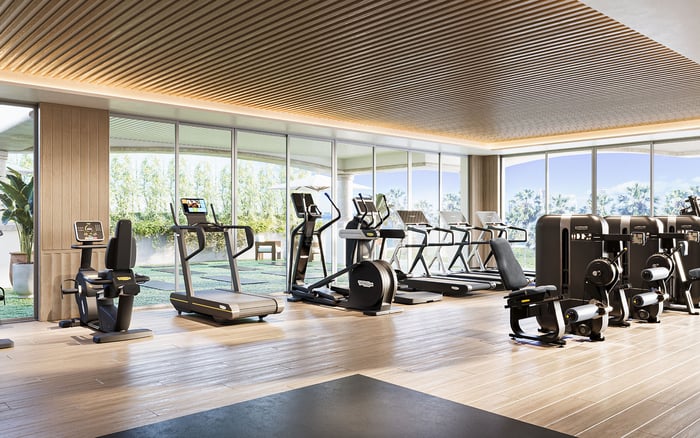
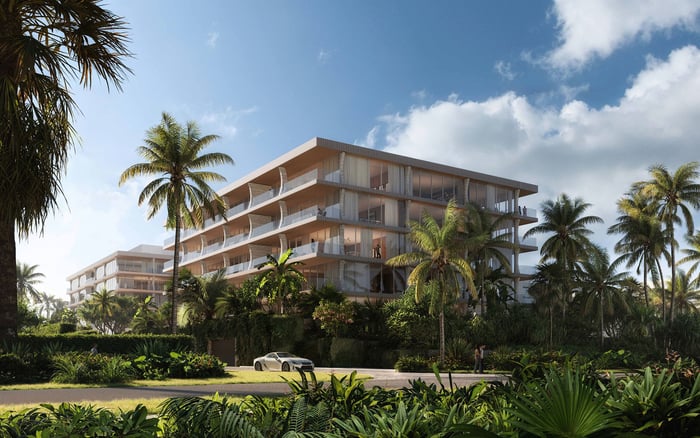
A discreet buyer’s guide to using Design Miami as a lens for evaluating Fisher Island pied-à-terre positioning, from interior intent and privacy to cultural access and long-term relevance.
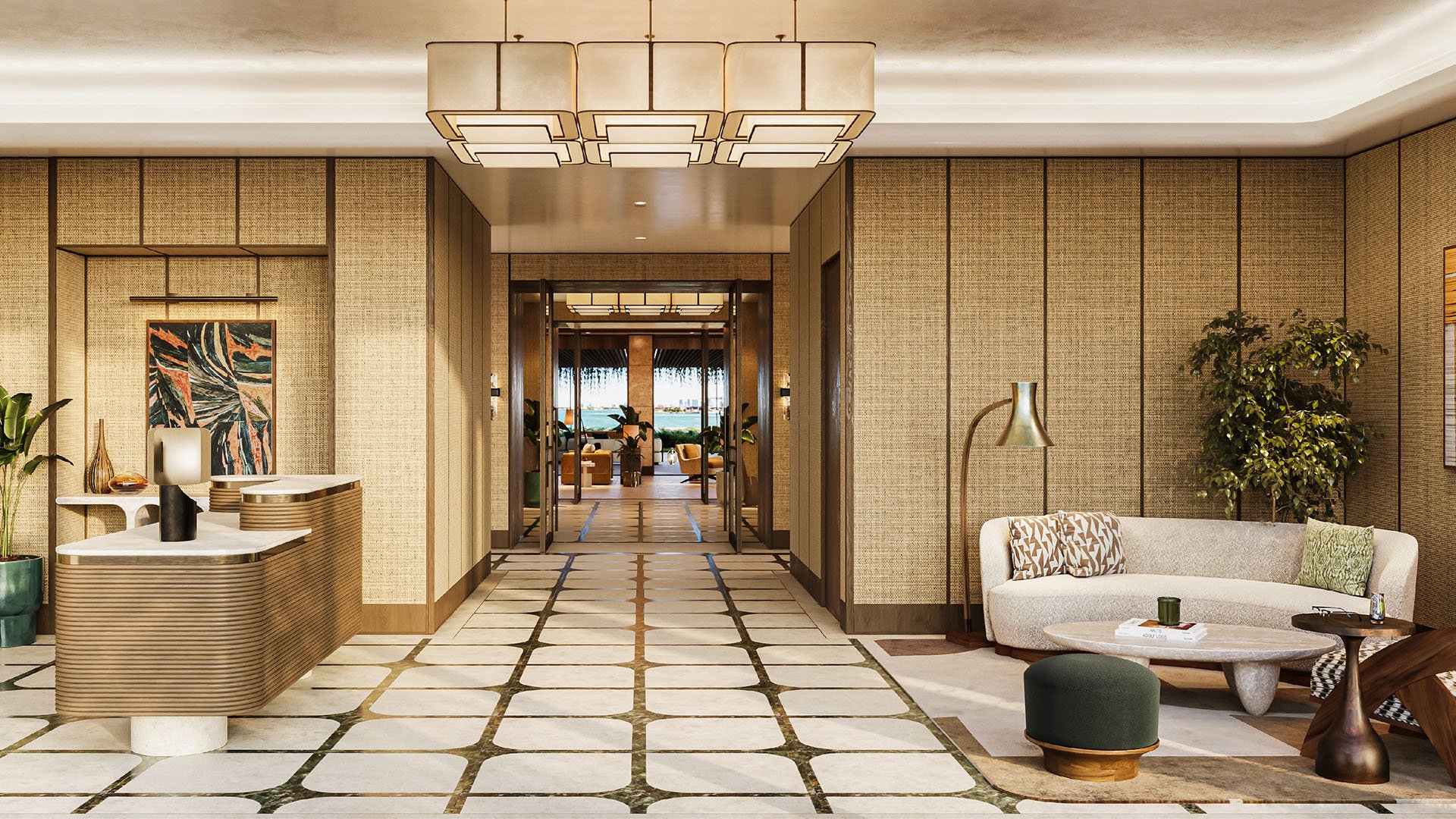
For the South Florida buyer arriving for Design Miami, the pied-à-terre question becomes more exacting. A compact residence is not simply a convenient address. It is a private base, a design statement, a point of reentry into the city, and, for many owners, a disciplined alternative to maintaining a full-time household in Miami.
That is why Fisher Island merits a closer look through a design-led lens. The island’s appeal has long been tied to separation, composure, and a sense of controlled arrival. Design Miami adds another layer. It reminds buyers that the best pied-à-terre is not necessarily the largest one, but the one with the clearest relationship among setting, architecture, interior quality, and the owner’s actual pattern of use.
For this buyer, better-positioned does not mean louder. It means easier to live with, easier to furnish well, easier to close up, and easier to return to without friction. The vocabulary may begin with second-home, investment, or new-construction, but the final decision should be more personal than those labels suggest.
Design Miami trains attention on proportion, materials, lighting, craft, and restraint. After moving through curated rooms and collectible design presentations, a buyer tends to read residential space differently. Ceiling height, wall depth, circulation, terrace usability, and the quietness of an entry sequence begin to matter more than generic finish language.
That is especially relevant for a Fisher Island pied-à-terre. A residence used seasonally or intermittently must carry emotional weight quickly. The owner should feel settled within minutes of arrival. Interiors should not require constant explanation, staging, or revision. The best spaces allow art, furniture, and personal objects to read clearly without feeling overdesigned.
In that context, The Residences at Six Fisher Island enters the conversation as a useful reference point for buyers who want the Fisher Island address to feel current rather than nostalgic. The question is not whether a residence is impressive in isolation. It is whether it can support a refined South Florida life with architectural confidence and minimal compromise.
The power of Fisher Island is its contrast. Miami’s cultural calendar can be exhilarating, but the best pied-à-terre should offer a graceful retreat from it. The buyer attending dinners, previews, gallery appointments, and design events does not necessarily want to live inside the noise of the week. The stronger choice may be a residence close enough to participate, yet removed enough to restore privacy.
This is where Fisher Island becomes more than a prestige marker. Its value proposition rests on rhythm. A buyer can engage Miami Beach, Brickell, the Design District, or Coconut Grove, then return to a more residential atmosphere. That separation can make a smaller, more focused residence feel more livable than a larger home in a busier setting.
For a buyer studying Palazzo del Sol Fisher Island, the building may function as part of a broader comparison set: not simply a building, but a way to think about poise, privacy, and the emotional temperature of arrival. The same lens applies to every serious Fisher Island search. The unit should not fight the island’s character. It should refine it.
A better-positioned pied-à-terre must answer three practical questions. What does the owner want to be near? What does the owner want to be protected from? And how often will the residence be used outside peak social weeks?
Design Miami highlights the first question because the event draws attention to the city’s creative and collecting class. But the second question is equally important. The best buyers are not only purchasing proximity to culture. They are purchasing the ability to leave it elegantly. That distinction matters in South Florida, where lifestyle often shifts between public visibility and private retreat in the same evening.
Fisher Island is not the only answer. A buyer comparing a private island rhythm with the vertical energy of Brickell may also study The Residences at 1428 Brickell to understand the appeal of a more urban pied-à-terre. Brickell offers a different kind of positioning, centered on skyline living and immediate city access. Fisher Island, by contrast, is for the owner who wants the city available, not omnipresent.
Design-led buyers should create an interior brief before touring. Not a mood board, but a disciplined set of requirements: preferred morning light, art wall needs, dining scale, guest privacy, service expectations, storage, arrival flow, and terrace use. These criteria quickly separate residences that photograph well from those that will live well.
A Fisher Island pied-à-terre should be especially strong on transitions. The entry should decompress. The primary suite should feel private even when guests are present. The living area should accommodate both quiet mornings and intimate evenings. If the residence is meant to host collectors, advisors, or friends during cultural weeks, the plan should support conversation without forcing formality.
For buyers considering The Links Estates at Fisher Island, the thought process may broaden beyond a traditional apartment model. The central question remains the same: does the residence reduce operational drag while increasing pleasure? A pied-à-terre should not become another project. It should behave like an edited version of the owner’s best life in South Florida.
The strongest Fisher Island case often becomes clearer after viewing alternatives. Miami Beach offers immediacy, walkable social energy in select pockets, and a direct relationship to the oceanfront lifestyle many buyers associate with South Florida. It is a compelling comparison, particularly for those who want the residence to function as both retreat and stage.
A project such as The Perigon Miami Beach can help frame that choice. The Miami Beach buyer may prize direct coastal identity and a more visible relationship with the city’s leisure culture. The Fisher Island buyer may prefer a quieter threshold, where the residence feels less like a venue and more like a sanctuary.
Neither is inherently superior. The distinction lies in use. If the owner expects frequent spontaneous dinners, daily beach routines, and a more porous relationship with the city, Miami Beach may feel natural. If the owner values arrival control, domestic calm, and a softer separation between public life and private life, Fisher Island can feel better-positioned.
The most convincing Fisher Island pied-à-terre is not necessarily the most dramatic. It should deliver clarity. The plan should make sense immediately. Views, if present, should support daily rituals rather than dominate every design decision. Finishes should feel durable, quiet, and appropriate for a residence that may be occupied in concentrated periods.
It should also be easy to personalize. Design Miami often tempts buyers toward statement-making, but the best homes leave room for the owner’s own eye. Collectible furniture, contemporary art, vintage pieces, and family objects need space to breathe. A pied-à-terre that is too prescriptive can become tiring; one that is too neutral can feel anonymous. The ideal is disciplined flexibility.
That balance is the true luxury. In a market where many residences claim premium status, the design-aware buyer should focus on the relationship between architecture and life. Fisher Island is persuasive when it offers not just privacy, but a more intelligent way to inhabit South Florida.
Why does Design Miami matter when evaluating a Fisher Island pied-à-terre? It sharpens attention to proportion, materials, interiors, and how a residence supports a cultivated lifestyle beyond basic convenience.
Is Fisher Island mainly for full-time living or second homes? It can serve either use, but the pied-à-terre buyer should focus on ease of arrival, privacy, and low-friction ownership.
What makes a pied-à-terre better-positioned? It balances access to the places an owner values with enough separation to preserve quiet, discretion, and daily comfort.
Should buyers compare Fisher Island with Brickell? Yes. Brickell clarifies the appeal of urban immediacy, while Fisher Island emphasizes privacy and a more retreat-oriented rhythm.
Should buyers compare Fisher Island with Miami Beach? Yes. Miami Beach offers a more direct coastal and social setting, while Fisher Island can offer a quieter residential counterpoint.
How should interiors influence the purchase decision? Buyers should assess light, circulation, art walls, terrace function, storage, and whether the space feels calm upon arrival.
Is a larger residence always better for a pied-à-terre? Not necessarily. A smaller, better-planned residence can outperform a larger home if it suits the owner’s actual use pattern.
What should collectors prioritize in a South Florida pied-à-terre? They should prioritize wall quality, lighting control, entertaining flow, and rooms that allow art and furniture to read clearly.
Can a Fisher Island pied-à-terre be considered an investment? It can be evaluated through that lens, but lifestyle fit, scarcity of use case, and long-term personal relevance should lead the analysis.
What is the first step for a design-led buyer? Define the interior brief before touring, then compare residences by how well they support real daily rituals.
For a tailored shortlist and next-step guidance, connect with MILLION.
If branded residences are on your mind — as a home or as an allocation — we would be glad to share what we are seeing, privately.
Begin a quiet conversation