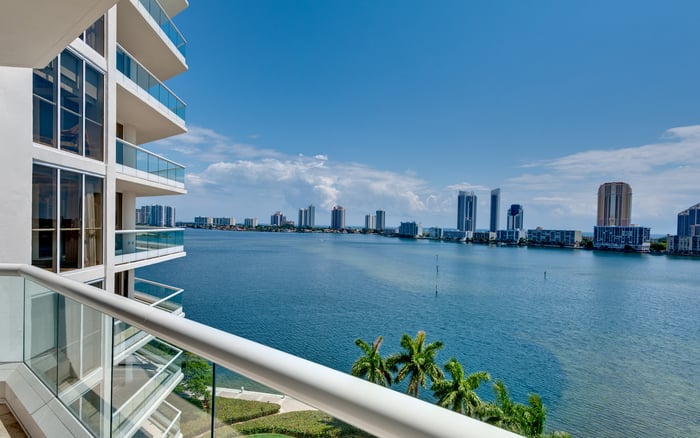
Casamar can be evaluated as a long-term Pompano Beach ownership option by focusing on personal utility, building-level diligence, comparable properties and eventual resale considerations rather than speculative forecasts.

Buyers assessing Casamar through the lens of Pompano Beach’s coastal repositioning should separate what can be verified today from what remains uncertain. The central question is not whether the surrounding market will follow a particular forecast. It is whether the property supports the buyer’s intended use, financial parameters and ownership horizon.
A long-term approach begins with personal utility. A primary resident, seasonal owner and investment-oriented buyer may assign different weight to privacy, services, rules, carrying costs and resale flexibility. Defining those priorities before comparing individual residences helps prevent a broad neighborhood narrative from overshadowing the details of the purchase.
Coastal repositioning is best treated as context rather than a guarantee. New residential choices can change how buyers compare a location, but future demand, pricing and liquidity cannot be assumed. Casamar should therefore stand on its own merits after a review of the specific residence, the condominium association and the available transaction record.
Two residences in the same condominium can present different ownership propositions. Buyers should examine orientation, floor plan, interior condition, natural light, privacy and the relationship between indoor and outdoor spaces. Any view representations should be confirmed from the residence rather than inferred from marketing materials or another unit.
Building-level diligence is equally important. Association budgets, financial statements, reserve information, insurance, meeting minutes, governing documents and pending obligations can affect both near-term costs and long-term marketability. Legal and financial professionals can help interpret those materials and identify questions that require clarification.
Rules also deserve close attention. A buyer’s plans for pets, renovations, guests, leasing or seasonal occupancy should be checked against current condominium documents. Policies can affect personal use and the future buyer pool, so they should be verified before contractual deadlines expire.
A useful comparison set should apply the same questions to every property. Buyers can review The Ritz-Carlton Residences® Pompano Beach, Armani Casa Residences Pompano Beach, W Pompano Beach Hotel & Residences and Ocean 580 Pompano Beach alongside Casamar without assuming that similarly positioned projects offer identical ownership experiences.
The comparison should cover total acquisition cost, recurring expenses, services, governance, residence layouts, use restrictions and available resale evidence. Branded identity or a prominent coastal position may shape buyer interest, but neither replaces document review or residence-specific analysis.
Consistency matters because marketing language can emphasize different strengths across projects. A written scorecard can keep the decision focused on the factors that matter to the buyer. It also makes trade-offs visible when one option performs well on personal use but less favorably on cost, flexibility or exit considerations.
Long-term buyers should consider how a future purchaser might evaluate the same residence. Layout efficiency, condition, carrying costs, rules and the depth of comparable inventory may influence marketability. None of these factors assures a particular outcome, but each can inform a disciplined acquisition decision.
Recent closed transactions are generally more useful than asking prices when evaluating market evidence, although differences among residences still require adjustment and judgment. Buyers should confirm the timing and relevance of any comparable sale and avoid treating a small or uneven sample as definitive.
It is also prudent to test more than one holding scenario. A buyer can estimate the effect of different ownership periods, recurring costs and potential improvement expenses without assigning an unsupported appreciation rate. This approach frames Casamar as both a home and a financial commitment while keeping uncertain outcomes clearly labeled.
Casamar may warrant consideration from a buyer who prioritizes Pompano Beach, accepts condominium ownership and is prepared to conduct detailed building and residence review. The thesis is strongest when the property delivers meaningful personal use even if broader coastal repositioning unfolds differently than expected.
It may be less suitable for a buyer whose decision depends on rapid appreciation, unrestricted use or a predetermined resale timeline. Those requirements introduce assumptions that should be tested against current documents, costs and market evidence rather than inferred from the wider development narrative.
The final decision should combine lifestyle fit with disciplined diligence. Buyers can compare alternatives, verify all material representations and seek appropriate legal, tax, insurance and financial advice before committing.
What does a long-term Casamar evaluation prioritize? It prioritizes personal utility, recurring obligations, building records, residence-specific qualities and eventual resale considerations.
Does coastal repositioning guarantee appreciation? No. A changing coastal market provides context, but it does not guarantee demand, liquidity or future pricing.
Why should buyers assess the residence separately from the building? Residence characteristics can differ within one condominium, while association finances, insurance and governance affect the building as a whole.
Which association materials merit review? Buyers should request current budgets, financial statements, reserve information, insurance materials, meeting minutes and governing documents.
Why do condominium rules matter? Rules may affect leasing, renovations, pets, guests and seasonal use, which can influence both enjoyment and resale flexibility.
How should buyers compare Casamar with other Pompano Beach projects? Apply consistent criteria covering acquisition cost, recurring expenses, services, governance, layouts, restrictions and resale evidence.
Are asking prices sufficient for valuation? Asking prices show seller expectations, but relevant closed transactions can provide additional market evidence when interpreted carefully.
Should every residence in a building be valued the same way? No. Orientation, layout, condition, privacy and other residence-specific characteristics can produce meaningful differences.
Who should advise on a condominium purchase? Appropriate legal, tax, insurance and financial professionals can help buyers evaluate documents, obligations and personal consequences.
When is the Casamar thesis most persuasive? It is most persuasive when the residence fits the buyer’s real needs without depending on a guaranteed market outcome.
For a discreet conversation and a curated building-by-building shortlist, connect with MILLION.
If branded residences are on your mind — as a home or as an allocation — we would be glad to share what we are seeing, privately.
Begin a quiet conversation