A disciplined comparison framework for assessing wellness capacity, indoor air systems, water treatment, and amenity access at two South Florida branded residences.
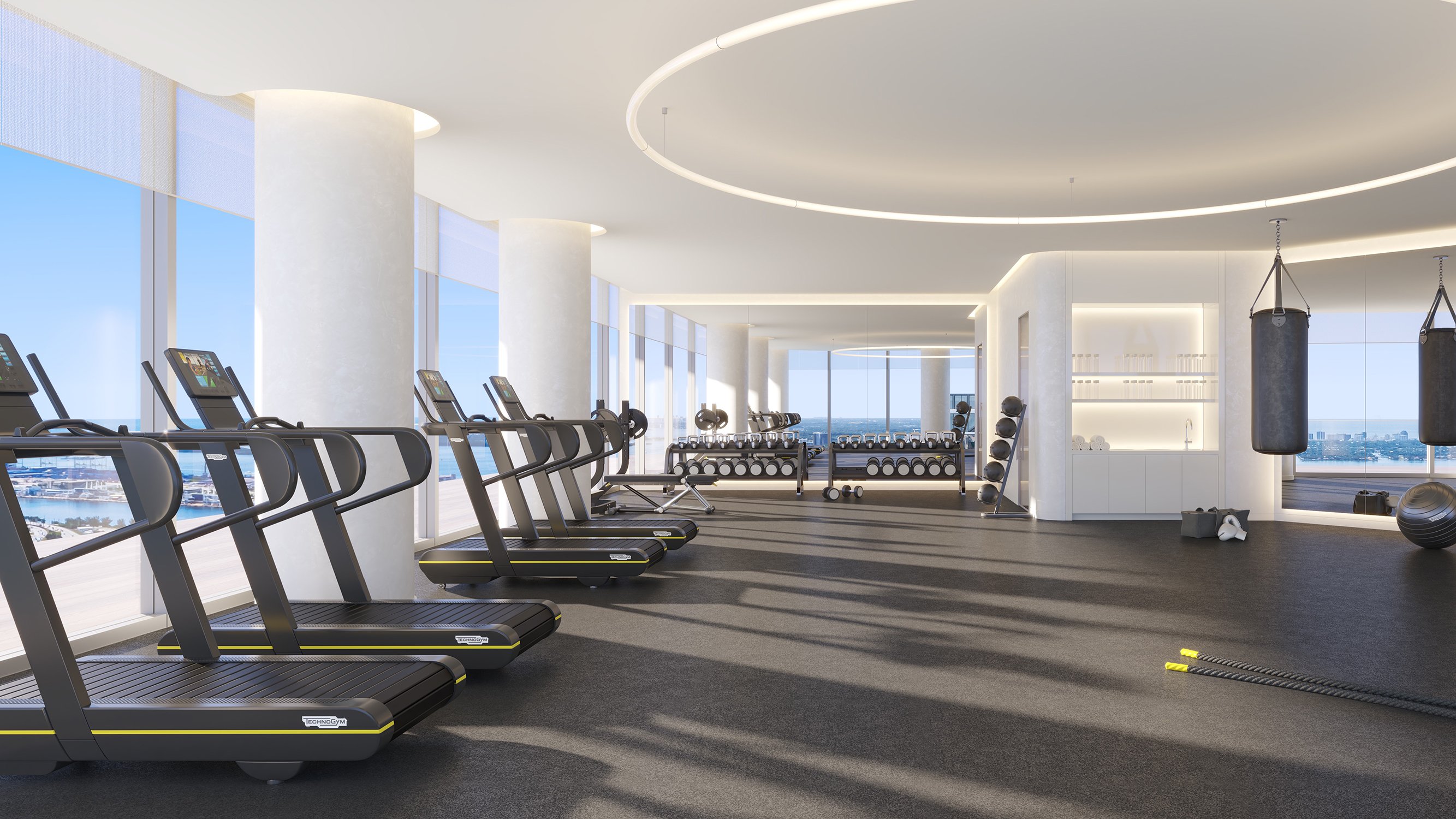
Buyers comparing EDITION Edgewater and Mandarin Oriental Residences, West Palm Beach should treat wellness as an operating system rather than an amenity checklist. The central questions concern capacity, mechanical performance, water treatment, maintenance, access, and enforceable rules.
Brand identity and presentation do not replace technical specifications or governing documents. Buyers should distinguish between marketing descriptions, design intentions, and obligations stated in the purchase agreement, declaration, budget, and house rules.
A useful capacity review begins with the number of residences expected to share each facility. Buyers can then examine treatment-room availability, fitness-area occupancy, pool access, staffing, operating hours, and reservation windows.
Request written assumptions for peak use and ask how guests, private events, maintenance closures, and seasonal demand may affect availability. The practical issue is not how many amenities appear on a list, but whether the program can support an owner's expected routine.
For additional context, buyers may compare Aria Reserve Miami and Forté on Flagler West Palm Beach using the same review method. A consistent framework makes differences in capacity and access easier to identify without assuming that similarly named amenities operate alike.
Temperature zoning, filtration, ventilation, humidity control, and purification are separate features. Buyers should not treat a reference to climate control or smart-home technology as proof of a particular filtration standard.
For each project, request the HVAC narrative and relevant mechanical schedules. The review should identify system type, filter specifications and location, outside-air delivery, humidity targets, exhaust design, replacement intervals, and responsibility for servicing components within the residence.
Buyers considering upgrades should also confirm whether higher-rated filters or supplemental equipment are compatible with system airflow, electrical capacity, warranties, and building rules. Any feature important to the purchase decision should be verified in project-specific written materials.
Water-quality due diligence should trace water from the building entry point through common infrastructure and into the residence. Buyers should request written specifications for any central treatment, in-unit filtration, drinking-water system, or other treatment component represented as part of the project.
The review should establish where filters or treatment equipment are located, which water lines they serve, who maintains them, how often service is required, and whether replacement costs are included in common expenses or paid directly by the owner.
A buyer planning a private treatment system should verify space, drainage, electrical requirements, plumbing compatibility, approval procedures, and warranty implications before committing. Fixtures and appliances alone do not establish the scope of water treatment.
Amenity value depends on who may use a space, when it is available, and what additional costs apply. Buyers should obtain rules covering owner priority, guest allowances, reservation windows, cancellation terms, operating hours, treatment fees, private-event closures, and temporary shutdowns.
The declaration and house rules should also be reviewed for provisions involving leasing, guest access, and any hospitality-related program. These terms may influence demand for shared facilities and should be evaluated alongside the amenity plan.
Verbal explanations should be reconciled with the governing documents. If a particular level of access, privacy, or reservation priority is essential, the buyer should determine whether it is documented in a binding form.
For both developments, a focused file may include the HVAC narrative, mechanical schedules, water-treatment specifications, amenity plans, occupancy assumptions, draft declaration, house rules, proposed operating budget, and applicable maintenance responsibilities.
The comparison should identify what is confirmed, what remains subject to change, and what is not addressed. Legal and technical professionals can help interpret project documents and assess whether the stated systems and rules align with the buyer's priorities.
Does room-by-room temperature control prove enhanced air purification? No. Temperature control does not by itself establish filtration, ventilation, humidity, or purification performance.
Which air-quality documents should a buyer request? Request the HVAC narrative and relevant mechanical schedules, including available information about filters, outside air, humidity, and maintenance.
Should a buyer assume a specific filtration rating from branding? No. Any filtration rating should be confirmed in project-specific written specifications.
How can buyers compare wellness capacity? Compare the number of residences with facility size, operating hours, staffing, reservation availability, and guest access.
Why do peak-use assumptions matter? They help buyers evaluate whether shared facilities may meet expected demand during busy periods.
How should water treatment be verified? Trace the system from building entry to individual taps and confirm the treatment scope, maintenance duties, and replacement costs in writing.
Can an owner add a private water system? Compatibility depends on space, drainage, electrical service, plumbing, approvals, and warranty terms, all of which should be checked first.
Which booking rules deserve close review? Focus on owner priority, guest limits, reservation windows, fees, cancellations, operating hours, and closure rights.
Why should leasing and guest provisions be examined? They may affect how shared facilities are used and how much access owners can expect.
What belongs in the final due-diligence file? Include relevant technical specifications, amenity plans, governing documents, budgets, and written maintenance responsibilities.
For a confidential assessment and a building-by-building shortlist, connect with MILLION.
If branded residences are on your mind — as a home or as an allocation — we would be glad to share what we are seeing, privately.
Begin a quiet conversation