A disciplined resilience review looks beyond broad claims to the elevations, drawings, load schedules, maintenance records, and operating procedures that determine whether a coastal residence remains functional during and after a storm.
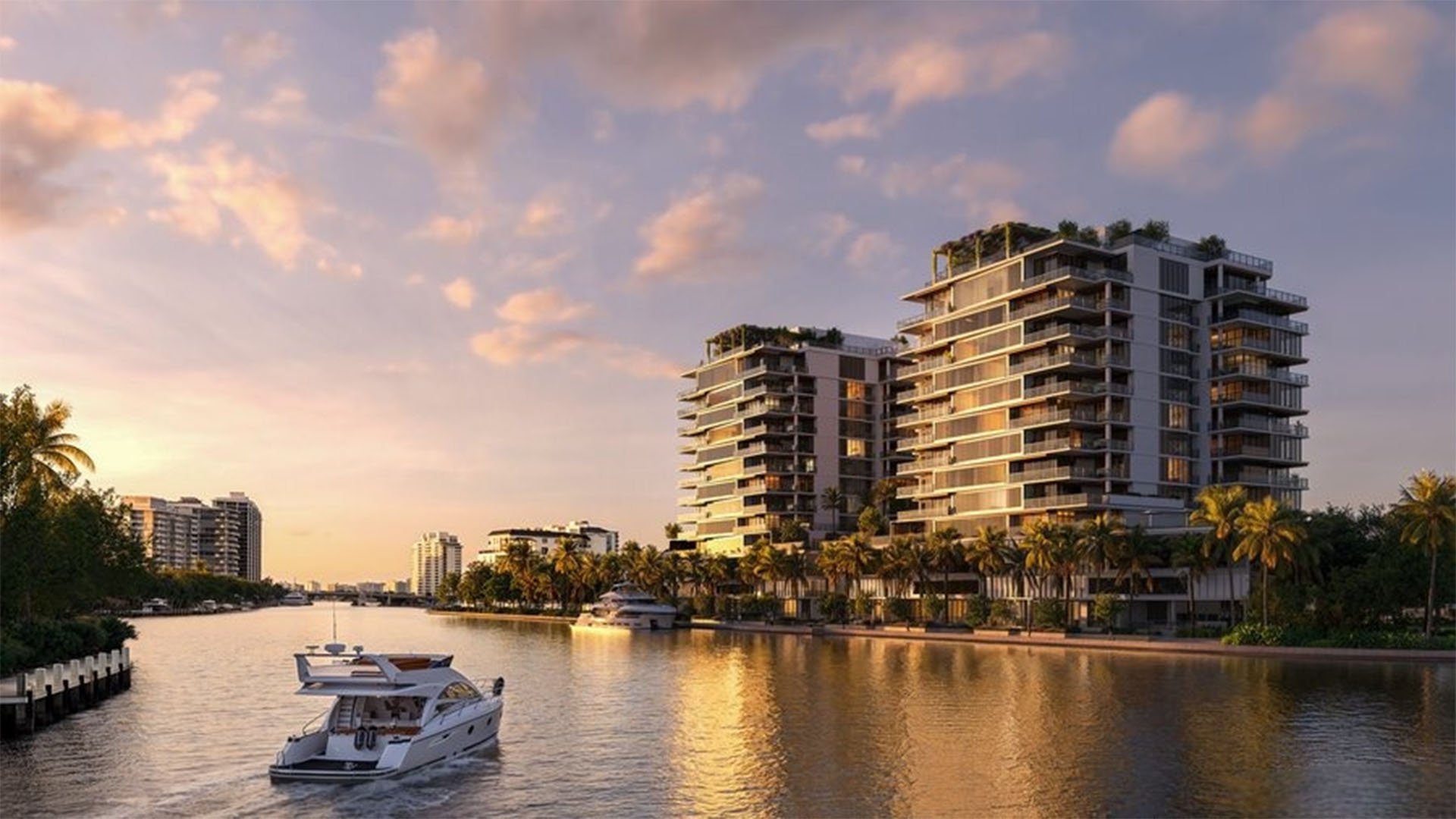
For buyers of South Florida coastal residences, storm resilience should be assessed as an operating system rather than a marketing attribute. The essential question is whether critical equipment, electrical distribution, water systems, elevators, access controls, communications, and emergency procedures can support residents when normal infrastructure is disrupted.
That distinction is important when comparing Setai Residences Miami Beach with The Ritz-Carlton Residences® Fort Lauderdale. Each requires property-specific diligence. Location, documentation, repair history, and the configuration of lower-level systems may matter as much as the elevation of the residence itself.
True resilience is measured by how the entire building operates under stress.
Begin with the elevation certificate and a current survey. A general flood-zone description does not provide the precision needed to evaluate a specific residence. Buyers should identify the applicable flood benchmarks and compare them with surveyed elevations for finished floors, electrical rooms, pumps, elevator equipment, generators, fuel systems, and other critical infrastructure.
Waterfront diligence should also examine shoreline conditions, drainage paths, floodproofing measures, and the relationship between exterior grades and lower building levels. Counsel, an engineer, and the surveyor can reconcile applicable requirements with the property documents and observed conditions.
“Mechanicals elevated” is a starting point, not a conclusion. Placing equipment above a relevant design elevation can reduce direct exposure, but resilience also depends on drainage, waterproofing, corrosion protection, service access, controls, and downstream electrical distribution.
Identify the locations of domestic-water pumps, fire pumps, elevator controls, switchgear, telecommunications equipment, cooling components, and garage systems. Then trace every dependency. An elevated pump offers limited reassurance if its power source, control panel, transfer switch, or fuel supply remains exposed.
Lower levels warrant particular scrutiny in coastal buildings. Buyers should request drawings rather than infer protective measures from the appearance of a garage, lobby, or amenity level. The same disciplined approach is valuable when evaluating other Miami Beach properties, including The Ritz-Carlton Residences® Miami Beach.
A generator is meaningful only when its supported loads are clearly identified. Request the generator load schedule and determine whether backup power serves life-safety systems, elevators, water pumps, access controls, corridor lighting, communications, garage equipment, HVAC, or circuits within individual residences.
Examine capacity alongside fuel source, fuel storage, expected runtime, automatic transfer-switch configuration, testing frequency, and maintenance records. Confirm that the generator, transfer equipment, distribution path, and fuel systems are evaluated for relevant flood exposure.
Operational sequencing matters as well. Determine which loads transfer automatically, which require staff intervention, and whether competing loads are staged. Written hurricane and outage procedures should identify responsible personnel, resident communications, elevator protocols, access arrangements, and the process for restoring normal service. These questions can also guide diligence at Four Seasons Hotel & Private Residences Fort Lauderdale without presuming that two buildings share the same systems.
At Setai Residences Miami Beach, buyers should request records tied to the building’s current electrical and mechanical configuration. The review should cover repair history, replacement work, inspections, redundancy, testing, and outage procedures without relying on assumptions based on branding or location.
Maintenance logs and testing records should correspond with as-built electrical drawings and current equipment schedules. Any discrepancy between documents and field conditions should be examined by the buyer’s advisers before conclusions are drawn about resilience.
At The Ritz-Carlton Residences® Fort Lauderdale, buyers should obtain flood and storm documentation specific to the property. Branding alone cannot establish mechanical elevation, glazing performance, generator coverage, or lower-level protection.
The correct approach is a written request for property-specific approved plans, as-built drawings, equipment schedules, surveys, inspection records, and operating procedures. Comparisons should be made document to document, not brand to brand.
A thorough review should include the elevation certificate, current survey, approved plans, and as-built mechanical, electrical, and plumbing drawings. Add the generator load schedule, equipment schedules, maintenance logs, inspection records, repair history, and written hurricane procedures.
Building representatives should identify in writing every load supported by emergency power and the expected operating sequence. An independent engineer can then compare the documents with field conditions, trace dependencies among systems, and identify equipment whose access or distribution may remain exposed.
Claims such as “hurricane-resistant,” “mechanicals elevated,” and “generator-backed” should remain provisional until supported by elevations, drawings, schedules, and operating records. For a buyer, this documentation helps clarify how service, access, water, vertical transportation, and communications are intended to function during an interruption.
A resilience review should consider layers of protection: appropriate elevations, protected lower levels, corrosion-aware mechanical planning, electrical pathways, useful emergency power, regular testing, and practiced procedures. At both properties, a revealing request is straightforward: as-built drawings accompanied by a written schedule of every building load supported during an outage.
For discreet guidance on evaluating South Florida’s premier coastal residences, consult MILLION.
If branded residences are on your mind — as a home or as an allocation — we would be glad to share what we are seeing, privately.
Begin a quiet conversationBegin with the elevation certificate and current survey, then compare critical equipment elevations with the applicable flood benchmarks.
It does not show the surveyed elevations of finished floors, electrical rooms, pumps, elevator equipment, generators, or fuel systems.
No. Drainage, waterproofing, corrosion protection, access, controls, and electrical distribution also affect performance.
It should identify each building system and circuit supported by emergency power.
Review capacity, fuel arrangements, expected runtime, transfer switches, testing records, maintenance records, and equipment exposure.
Elevated equipment may still rely on controls, power sources, transfer equipment, or distribution components located elsewhere.
No. Buyers should rely on plans, schedules, surveys, and records tied to the specific Miami Beach or Fort Lauderdale property.
They should address responsible personnel, load sequencing, resident communications, elevator protocols, access, and service restoration.
Request surveys, approved plans, as-built MEP drawings, equipment schedules, maintenance logs, inspection records, repair history, and hurricane procedures.
An independent engineer can compare the records with field conditions and trace dependencies among critical systems.