A discreet buyer’s guide to prioritizing service precision, operating discipline, and daily residential performance over social buzz when purchasing in Las Olas.
Las Olas has a natural pull. Its waterfront settings, walkable social rhythm, dining culture, and proximity to Fort Lauderdale’s broader luxury ecosystem give buyers plenty to admire before they ever study a building’s operating habits. Yet for a serious purchaser, especially one evaluating a primary residence or refined second home, the better question is not which address is being discussed most loudly. It is which address will function most gracefully on an ordinary Tuesday.
Service precision is the invisible architecture of residential luxury. It is the way a valet handoff feels in the rain, the way a front desk recognizes a resident without performing for guests, and the way maintenance requests are acknowledged, tracked, and resolved without drama. Social buzz may make a property familiar. Service precision determines whether ownership feels composed.
For Las Olas buyers, the distinction is essential. The neighborhood supports a lifestyle that moves between home, marina, dining, cultural events, and private entertaining. That rhythm places daily pressure on arrival, security, guest management, package handling, housekeeping coordination, and the building’s ability to maintain discretion. A polished rendering cannot answer those questions. A careful buyer can.
A residence can be highly visible and still lack the calm systems sophisticated owners expect. Conversely, a quieter building may deliver a more satisfying ownership experience because its team is disciplined, its policies are clear, and its culture is resident-first rather than spectacle-first.
Begin by asking what the building is known for among people who actually live with it. Not what photographs well. Not what generates the most conversation. What happens when a resident returns late, when a guest arrives unannounced, when a service provider needs access, when an elevator is temporarily unavailable, or when a private dinner requires coordinated deliveries? These small moments reveal whether the property has a hospitality mindset or simply hospitality language.
Buyers comparing Las Olas with nearby Broward luxury references might look at how projects such as Four Seasons Hotel & Private Residences Fort Lauderdale frame the conversation around service expectations. The point is not to assume sameness from one building to another. It is to establish a benchmark for how refined buyers think about consistency, discretion, and the choreography of daily life.
Amenities are easy to tour. Arrival is harder to fake. A buyer should spend meaningful time observing the entry sequence: curb approach, valet posture, lobby flow, elevator transition, guest treatment, and the separation between resident privacy and public-facing energy.
The most precise buildings tend to feel calm at the threshold. Staff members are attentive without hovering. Instructions are clear without sounding rigid. The lobby does not feel like a stage set for visitors; it feels like a controlled point of transition for residents. That distinction matters in Las Olas, where social movement can be constant and where owners may value access to energy without wanting that energy to follow them upstairs.
Ask how guest arrivals are handled, how vendors are verified, how deliveries are stored, and how peak periods are managed. If the answers are vague, the service may depend too much on individual personalities. If the answers are confident and specific, the building is more likely operating from procedure rather than improvisation.
Design can signal luxury. Systems sustain it. A buyer should understand who manages the building, how staff are trained, how communication is documented, and whether requests move through a formal process. The best residential operations do not rely on residents repeating themselves. They create memory, continuity, and accountability.
In a market where new presentation can be seductive, new construction should be evaluated with particular care. A new building may offer fresh finishes and contemporary planning, but its service culture still needs to be proven. Resale properties, meanwhile, may reveal more about long-term operations because residents and staff have already lived through ordinary friction.
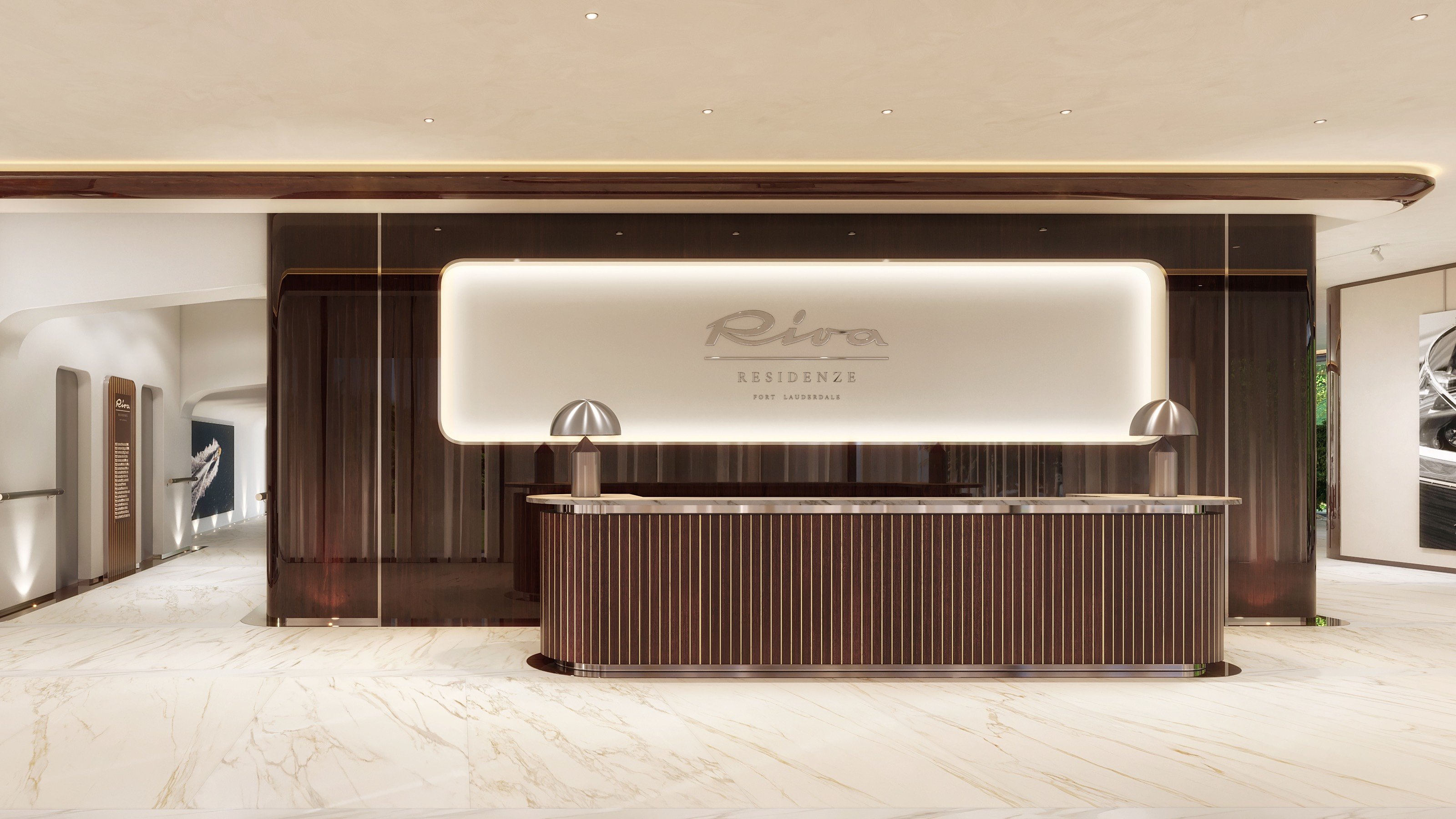
This is where a building such as Riva Residenze Fort Lauderdale can become part of a broader comparison conversation for buyers focused on Fort Lauderdale living. Rather than asking only whether a residence feels impressive, ask whether its service environment feels repeatable.
In ultra-premium residential life, privacy is not merely a building feature. It is a service behavior. Staff discretion, visitor protocol, photography norms, elevator access, package visibility, and the handling of household staff all contribute to whether a resident feels protected.
Las Olas buyers should be especially attentive to the difference between social access and social exposure. A desirable address may offer proximity to restaurants, events, waterfront activity, and friends. That does not mean the residential experience should feel public. The more socially connected the setting, the more disciplined the private transition must be.
Ask direct questions. How does the property handle high-profile guests? What happens when media, influencers, or event traffic appear nearby? Are residents’ names casually used, or is communication restrained? Does the staff understand that discretion is not coldness, but respect?
Buildings that get this right often have an atmosphere that is difficult to photograph. They feel composed because the team anticipates, filters, and absorbs pressure before it reaches the resident.
A Las Olas decision should not be made in isolation. Buyers can sharpen judgment by comparing service posture across nearby residential environments, from waterfront towers to boutique-scale buildings and branded residences. The goal is not to chase a label. It is to understand what style of service best matches the household.
Some buyers want a highly programmed environment with familiar hospitality cues. Others prefer a quieter residential culture with fewer theatrical gestures and more personal continuity. A household with frequent guests may need rigorous arrival management. A boat-oriented owner may prioritize access coordination and vendor scheduling. A seasonal owner may care most about property readiness, maintenance oversight, and communication while away.
Projects such as Sixth & Rio Fort Lauderdale and St. Regis® Residences Bahia Mar Fort Lauderdale illustrate why buyers should think beyond social buzz and focus on fit. Even within the same regional luxury conversation, service identity can vary. The best purchase is the one whose operating culture aligns with the owner’s daily habits.
For taxonomy-minded buyers, this is a Fort Lauderdale and Broward discussion, but the standard should remain intensely personal. A building may be admired broadly and still be wrong for a particular household.
The conventional showing often emphasizes views, finishes, floor plan, and amenities. A more sophisticated showing adds an operational interview. Buyers should ask who receives requests, how quickly communications are acknowledged, what procedures exist for after-hours issues, and how the building handles recurring preferences.
Observe tone as much as content. Does the team speak in generalities, or can they explain how the building actually works? Are policies presented as obstacles, or as tools for protecting resident comfort? Does the staff appear empowered to solve problems, or merely trained to redirect them?
Investment value is often discussed through location, scarcity, design, and market timing. Those elements matter, but service quality can also influence how a residence is perceived over time. Sloppy operations can erode the emotional premium buyers initially assign to architecture. Precise operations can make ownership feel more valuable because life inside the residence is easier.
Before purchasing in Las Olas, create a personal service standard and measure each property against it. Include arrival, privacy, staff continuity, maintenance communication, guest management, vendor access, package handling, amenity governance, pet protocol if relevant, and seasonal owner support if applicable.
Then revisit the building at different times. Morning and evening can reveal different rhythms. Weekday and weekend visits can expose different pressures. A property that remains calm across those conditions deserves serious attention.
Most importantly, resist the instinct to equate attention with excellence. Social buzz can be useful as an introduction, but it is not due diligence. The refined buyer looks past the conversation and studies the choreography. In Las Olas, where lifestyle appeal is already evident, the quiet winners are often the residences that make daily life feel effortless.
Why should Las Olas buyers prioritize service precision over social buzz? Social buzz can fade, while service precision affects daily comfort, privacy, and the long-term ownership experience.
What is the first service detail a buyer should observe? Start with arrival. Valet flow, lobby tone, guest handling, and elevator access reveal a great deal about operational discipline.
How can a buyer evaluate staff quality during a showing? Listen for specific answers, calm communication, and a clear understanding of resident privacy rather than scripted hospitality language.
Does a branded residence automatically guarantee better service? Not automatically. Branding may set expectations, but buyers should still evaluate the actual operating culture and procedures.
Should new buildings be judged differently from established buildings? Yes. New buildings may be visually compelling, but their service systems may still need time to prove consistency.
Can resale properties offer an advantage in service evaluation? They can, because an established building may reveal how staff, policies, and residents interact over time.
What privacy questions should buyers ask? Ask how guests, vendors, packages, photography, and resident information are managed, especially during busy social periods.
How many times should a buyer visit before deciding? More than once when possible. Different times of day can reveal different service pressures and building rhythms.
Is amenity quality less important than service quality? Amenities matter, but service determines whether those amenities remain orderly, accessible, and pleasant to use.
What is the clearest sign of service precision? The clearest sign is consistency: residents should not need to explain the same preferences or solve the same problems repeatedly.
To compare the best-fit options with clarity, connect with MILLION.
If branded residences are on your mind — as a home or as an allocation — we would be glad to share what we are seeing, privately.
Begin a quiet conversation