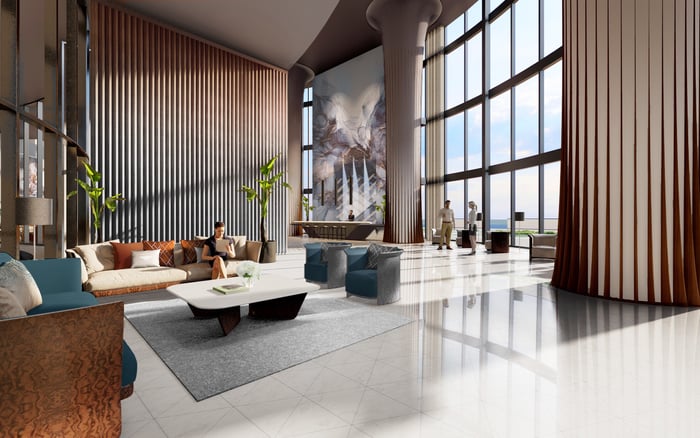
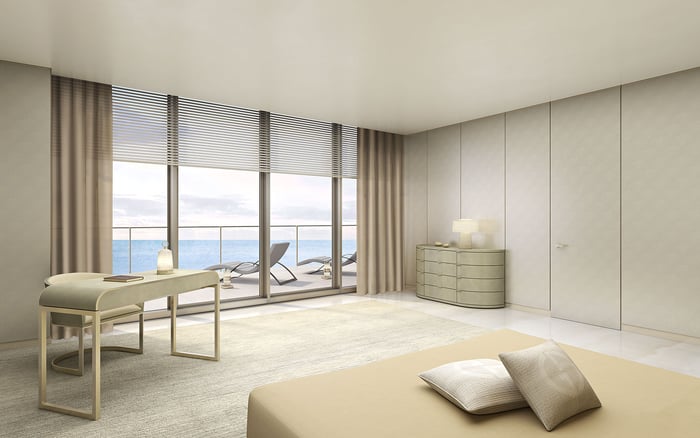
A disciplined framework for comparing private dining, catering access, event restrictions, and operational considerations at Armani Casa Sunny Isles Beach and Casa Bella by B&B Italia Downtown Miami.
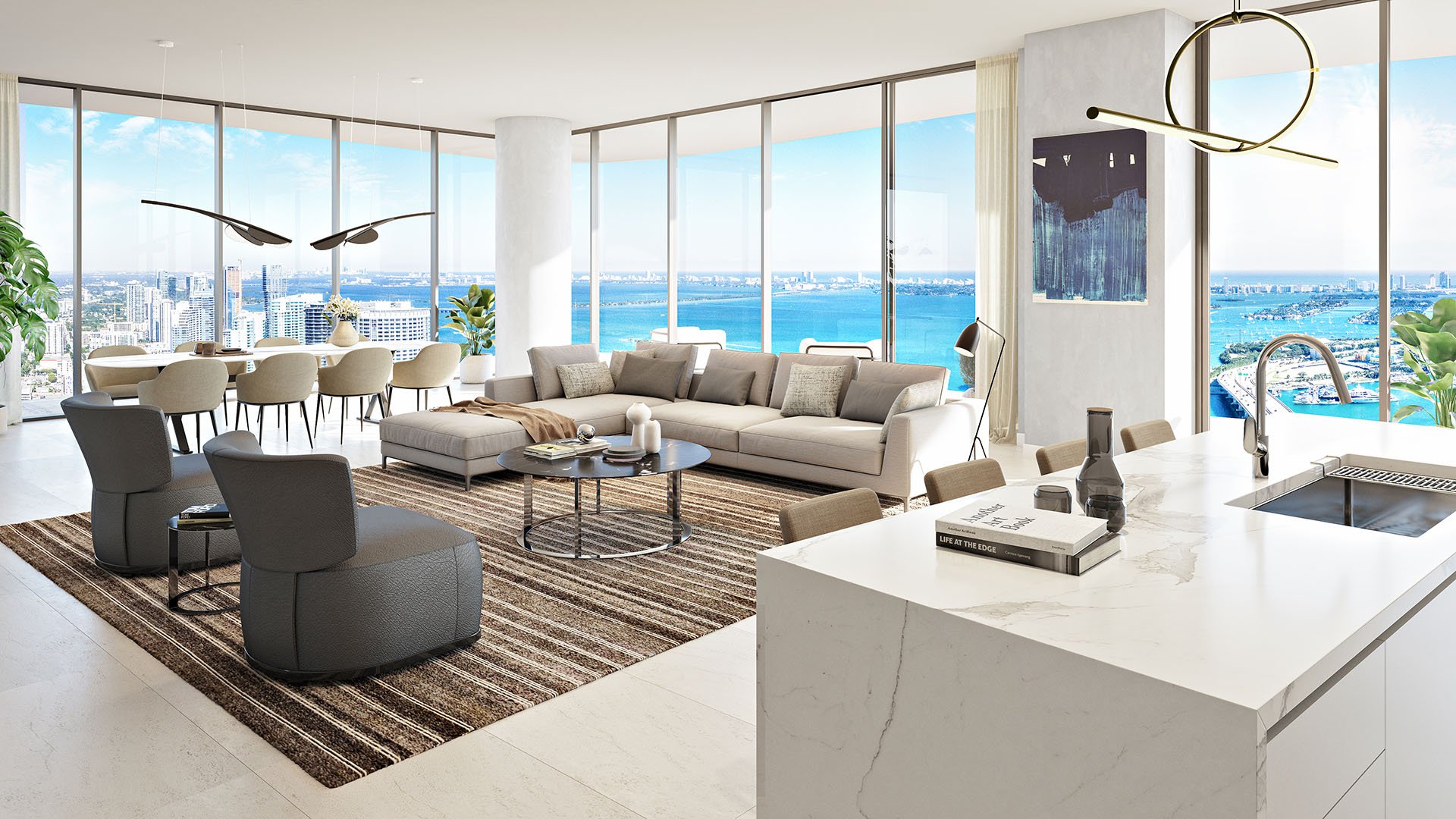
Private dining can be an important part of condominium living, but the presence of an attractive room does not establish how an owner may use it. Buyers comparing Armani Casa Sunny Isles Beach and Casa Bella by B&B Italia Downtown Miami should separate amenity presentation from enforceable access, reservation procedures, and operating restrictions.
The central question is not simply whether a dining or gathering space appears in marketing materials. It is whether the current condominium documents and written operating rules support the buyer’s preferred style of entertaining. That analysis should cover private meals, outside catering, alcohol service, guest access, music, decorations, staffing, cleanup, and event timing.
The most valuable entertaining amenity is one whose rules fit the owner’s actual plans.
Begin by defining the intended use. An occasional family dinner creates different operational questions from a catered reception, recurring business meal, or celebration involving outside vendors. Buyers should provide management with a realistic scenario and request a written explanation of how the current rules would apply.
For each property, determine whether dining space is reservable, whether a booking is exclusive, and whether use is limited to residents and their accompanied guests. Ask if guest counts vary by room, time, or event format. Clarify whether reservations are available on holidays and whether recurring bookings are restricted.
The comparison should also distinguish routine amenity use from a private event. A gathering may trigger additional requirements because of its size, duration, staffing, alcohol service, amplified sound, or use of outside vendors. Buyers should not assume that permission to reserve a room automatically includes permission to host every type of occasion.
Catering access deserves a separate written review. Ask whether owners may use an outside caterer, private chef, bartender, florist, musician, rental company, or event planner. If vendors require approval, obtain the current application process, insurance standards, deadlines, and access procedures.
Service circulation can materially affect the experience. Confirm where vendors check in, unload, stage equipment, dispose of waste, and enter the building. Ask whether service elevators must be reserved and whether deliveries are limited to specific periods. Buyers planning in-residence events should verify whether the rules differ from those governing shared amenity spaces.
Food preparation is another important distinction. A room described for dining may not permit full preparation, open flames, portable cooking equipment, or extensive staging. Buyers should request an inventory of any equipment included with the space and ask what vendors may bring into the property.
Request the complete current fee schedule rather than relying on a verbal estimate. Potential charges may include room reservations, staffing, security, cleaning, service-elevator use, overtime, damage deposits, or required food-and-beverage arrangements. The applicable documents should explain when payments are due, which amounts are refundable, and what happens after a cancellation.
Insurance and liability requirements also warrant careful attention. Ask whether the owner, host, or vendor must provide coverage and whether the association requires specific documentation. Clarify responsibility for guest conduct, property damage, overtime staffing, and rule violations.
These questions should be resolved before purchase when entertaining is central to the buyer’s lifestyle. Policies can change, so buyers should identify which rights are established in governing documents and which procedures are controlled through operating rules.
An amenity can influence a residence even when the owner does not use it. Review floor plans and stacking diagrams to understand the relationship between the prospective residence and dining rooms, terraces, lounges, elevators, loading areas, and other gathering spaces. Ask how guests and vendors move through the property and whether their routes overlap with residential circulation.
Sound should be evaluated from inside the prospective residence, not only from within an amenity room. Ask about operating hours, outdoor activity, door management, music controls, and complaint procedures. When possible, evaluate the setting at different times under access arrangements authorized by the property.
Privacy preferences vary. A frequent host may prioritize convenient access to social spaces, while another buyer may prefer greater separation from gathering areas and service routes. Neither preference is universally better; the relevant issue is whether the selected residence matches the buyer’s expectations.
Nearby or similarly positioned projects can help buyers identify which questions matter most. In Sunny Isles Beach, Bentley Residences Sunny Isles can serve as another point of comparison. For Downtown Miami, Waldorf Astoria Residences Downtown Miami may help buyers refine their priorities.
These comparisons should remain documentary rather than cosmetic. The goal is not to count dining spaces or compare renderings, but to determine which property’s current rules, access plan, costs, and operational practices best suit the buyer.
Before making a purchase decision, request the latest declaration, association rules, amenity policies, reservation agreement, vendor requirements, fee schedule, and relevant access plans. Organize written responses around a specific event scenario so that important ambiguities become visible.
A useful final checklist should address who may reserve the space, which guests and vendors may enter, what services are permitted, when events may occur, how much they may cost, and which restrictions apply to sound, alcohol, decorations, furniture movement, cleanup, and cancellations. Legal counsel can then review the governing documents and explain how the written terms relate to the buyer’s intended use.
For discreet guidance comparing South Florida residences and their entertaining frameworks, connect with MILLION.
If branded residences are on your mind — as a home or as an allocation — we would be glad to share what we are seeing, privately.
Begin a quiet conversationBuyers should confirm reservation rights, exclusivity, guest limits, operating hours, fees, and permitted uses in current written documents.
Not necessarily. Event size, duration, staffing, alcohol, music, or outside vendors may trigger separate rules.
Ask whether outside caterers and private chefs are allowed and obtain the applicable approval, insurance, delivery, and service-elevator requirements.
Request current rules for check-in, unloading, equipment staging, waste removal, working hours, insurance, and building access.
Buyers should ask about reservation charges, staffing, security, cleaning, deposits, overtime, cancellations, and service access.
They help buyers assess a residence’s proximity to gathering spaces, elevators, terraces, loading areas, and vendor routes.
Review operating hours and sound controls, then evaluate the prospective residence at different authorized times when possible.
Confirm guest limits, check-in procedures, host-presence requirements, circulation routes, and any restrictions on unaccompanied visitors.
Request the latest declaration, association rules, amenity policies, reservation agreement, vendor requirements, fee schedule, and relevant access plans.
Written responses reduce ambiguity and help legal counsel compare operating practices with the governing documents.