A decision framework for Austin buyers weighing urban access, beach privacy, residence type, and daily routines in Fort Lauderdale.
For an Austin buyer, choosing Fort Lauderdale is less about finding a simple substitute for home than defining a distinctly different rhythm. The central tension is compelling: staying connected to dining, culture, services, and spontaneous plans while preserving the quiet expected of a beach retreat.
The most effective search begins with routines rather than architecture. Write down what should feel effortless on an ordinary Tuesday, what should feel secluded on a Saturday, and which compromises would become irritating once the novelty of arrival fades. A residence can appear ideally placed on a map yet prove inconvenient if parking, guest access, deliveries, or the transition from lobby to home creates friction.
Privacy deserves equally precise consideration. It may mean a discreet arrival, fewer shared transitions, visual separation from neighboring residences, controlled guest circulation, or simply a calm interior when the surrounding district is active. Rank these forms of privacy rather than treating the word as a single amenity.
Convenience is not merely proximity. It is the quality of the entire journey from residence to destination-and back home. For one household, Las Olas may be the desired urban reference point. For another, the priority may be direct access to professional appointments, dining reservations, boating plans, or the beach.
Build a weekly access plan with three categories: essential, frequent, and occasional. Essential trips should involve minimal friction. Frequent destinations should remain comfortable to reach at the hours they will actually be used. Occasional outings can tolerate more planning. This approach prevents a buyer from overpaying-financially or experientially-for access that sounds important but rarely shapes daily life.
A city-oriented comparison might include Sixth & Rio Fort Lauderdale. Evaluate it against the same personal criteria applied to every candidate: arrival, departure, guest handling, vehicle logistics, service expectations, and the transition between public surroundings and private space.
Beach privacy begins before the front door. During each visit, follow the entire arrival sequence slowly. Consider where a driver pauses, how residents and guests enter, where deliveries are received, how elevators are accessed, and whether shared spaces feel composed during busier periods. Ask how staff protocols distinguish among residents, visitors, vendors, and service providers.
Inside the residence, assess sightlines before being persuaded by the view. Stand at the entry, in the principal living area and bedrooms, and at the terrace and windows after the interior lights would normally be on. Consider exposure to neighboring terraces and shared recreational areas. Oceanfront placement can be emotionally powerful, but orientation, circulation, glazing, and interior planning determine whether it also feels private.
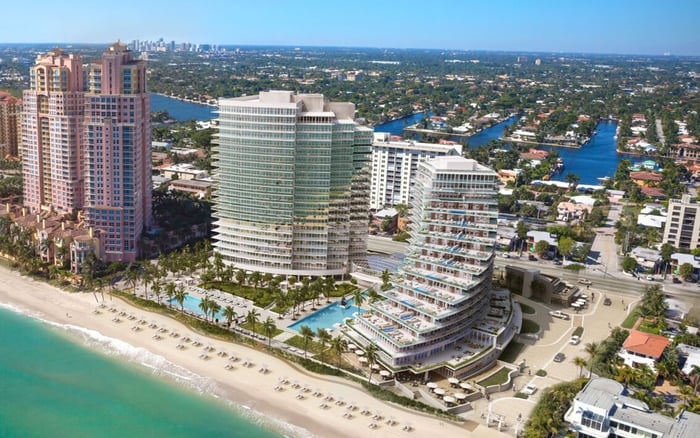
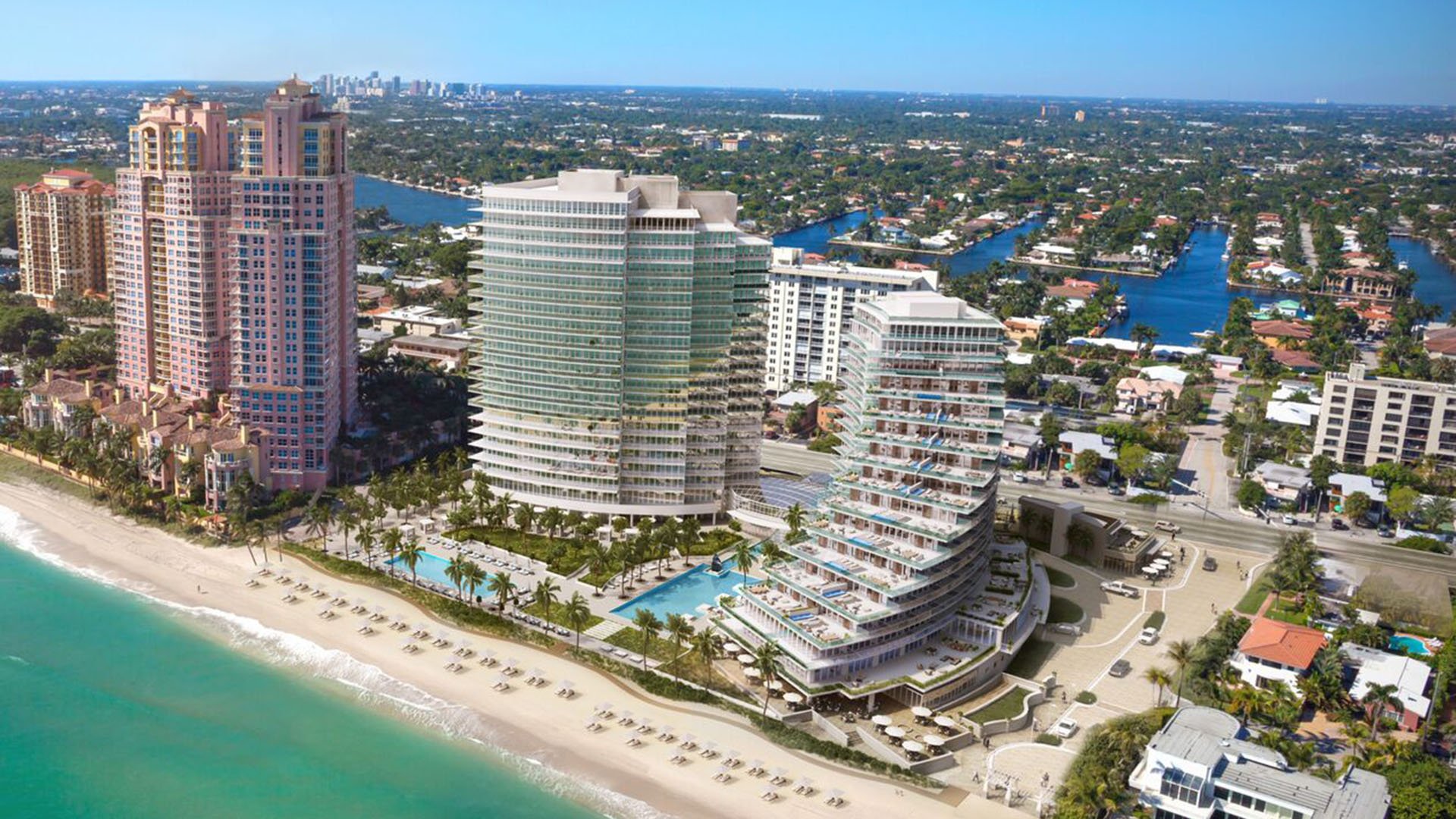
Fort Lauderdale Beach candidates such as Four Seasons Hotel & Private Residences Fort Lauderdale belong on the same privacy scorecard, without assumptions based on the brand name alone. Verify how the specific residence, floor, access path, and operating model align with your standards.
A disciplined shortlist should represent genuinely different ways of living, not minor variations on the same idea. Begin with a city-connected option, then compare it with a beach-focused residence and a waterfront alternative. The purpose is not to declare one category superior, but to reveal which trade-offs feel natural.
For a waterfront comparison, Riva Residenze Fort Lauderdale can serve as one project to investigate. For a beach-oriented counterpoint, consider St. Regis® Residences Bahia Mar Fort Lauderdale. Project names and presentations should begin the inquiry, not conclude it. Confirm every detail relevant to the exact home under consideration.
Score each residence from one to five across ten criteria: weekday access, weekend calm, arrival discretion, guest circulation, interior privacy, outdoor privacy, vehicle handling, service fit, ownership costs, and lock-and-leave confidence. If lifestyle is the principal motivation, weight the first five more heavily. A beautiful residence that repeatedly falls short on the highest-weighted criteria is not the balanced choice.
Tour at more than one time, if possible. A polished appointment can showcase materials and views, but it may not reveal the rhythm that matters to a second-home owner. Use one visit to study the residence and another to test the surrounding experience as you would actually live it.
Bring a concise set of questions. Which spaces are private, resident-only, shared, or publicly accessible? How are guests announced and escorted? What procedures govern deliveries, contractors, household staff, and extended absences? Which rules affect pets, vehicles, leasing, renovations, terrace use, or storage? Request current documents and professional review rather than relying on conversational summaries.
Apply the same discipline to physical condition and future obligations. Engage appropriate legal, financial, insurance, inspection, and building specialists. Review the ownership structure, governing materials, budgets, reserves, assessments, insurance responsibilities, maintenance expectations, and any limitations relevant to your intended use. Privacy and convenience remain durable only when the operational framework supports them.
There is no abstract midpoint between city convenience and beach privacy. The right balance is the compromise that remains pleasant through repeated arrivals, ordinary errands, visiting guests, and periods away. One buyer may accept a more active setting for easier access. Another may favor greater separation and plan city outings deliberately.
Before making an offer, describe the winning residence in one sentence without mentioning finishes, brand, or view. If that sentence clearly explains how the home supports your week and protects your downtime, the search has likely reached a useful conclusion. If it relies on vague superlatives, revisit the scorecard.
Should Austin buyers begin with the beach or the city? Begin with the weekly routine you want, then identify the location that removes the most recurring friction.
What does privacy mean in a luxury condominium? It can include discreet arrival, controlled access, limited shared transitions, protected sightlines, and thoughtful guest handling.
Is an oceanfront residence automatically more private? No. Privacy depends on the specific orientation, floor plan, neighboring sightlines, circulation, and operating procedures.
How should buyers compare unlike projects? Use one weighted scorecard for access, calm, privacy, service, costs, and lock-and-leave practicality.
Why test the arrival sequence? The route from vehicle to residence reveals how access, guests, deliveries, and shared spaces function together.
When should a buyer tour a property? Visit at times that reflect likely use, and separate the residence tour from a practical test of the surrounding routine.
Which documents deserve professional review? Review governing materials, financial information, insurance responsibilities, use restrictions, and other documents relevant to ownership.
How can buyers evaluate a branded residence? Treat the brand as context, then verify the exact residence, services, access protocols, costs, and ownership terms.
What is the best way to break a tie? Choose the home that performs better on your highest-weighted daily criteria, not the one with more secondary features.
What should happen before an offer? Complete appropriate legal, financial, insurance, inspection, building, and document due diligence with qualified advisers.
To compare the best-fit options with clarity, connect with MILLION.
If branded residences are on your mind — as a home or as an allocation — we would be glad to share what we are seeing, privately.
Begin a quiet conversation